Finding a Silver Lining in the National Pandemic Emergency
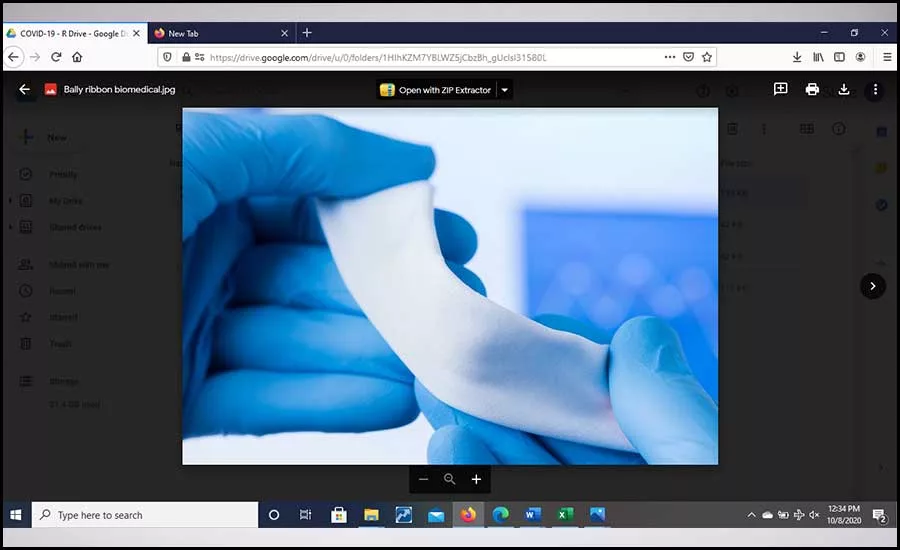
Figure 4: An example of polyester webbing used in the biomedical industry.
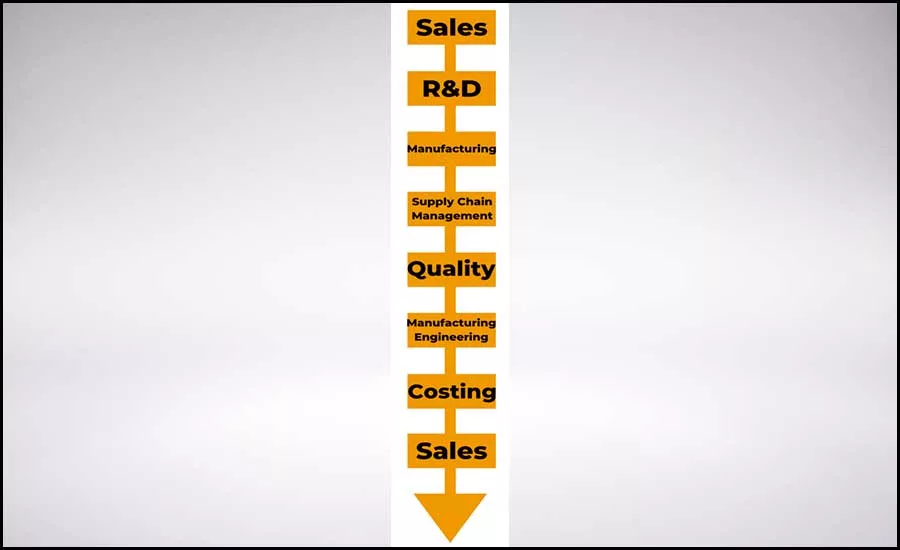
Figure 1: A look at the product development process.
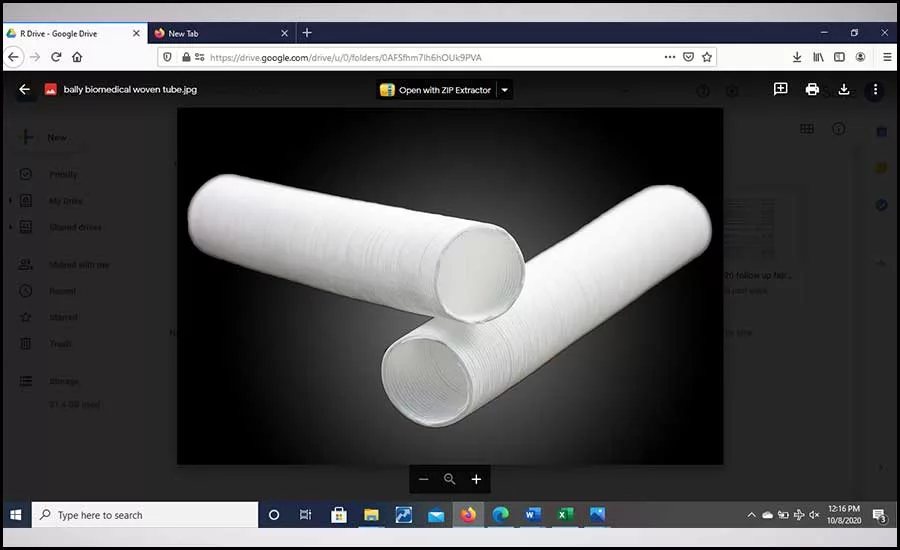
Figure 2: Biomedical woven tubes manufactured by Bally Ribbon Mills.
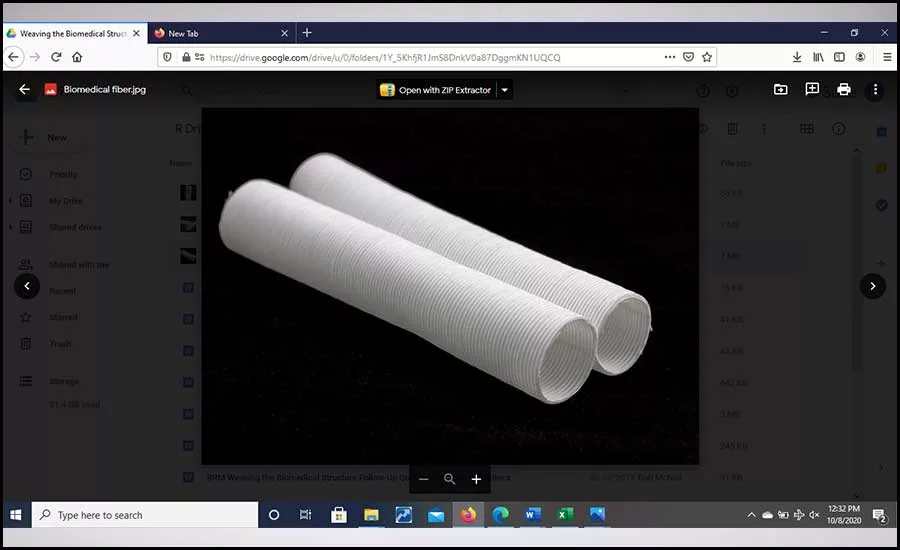
Figure 3: Medical structures manufactured by Bally Ribbon Mills.
Like manufacturing operations around the country, Bally Ribbon Mills struggled with how to meet its contractual obligations while still maintaining a safe working environment for employees during the recent pandemic. Tasked with quickly developing a structural polyester tie-down for temporary medical and first responder structures, the company had to develop new operational methods that took us out of the comfort zone of a typical bricks and mortar manufacturing facility. Here’s a look at the company’s journey.
Design process for new product serves as test case for new system
The original inquiry for a structural polyester tie-down for temporary medical and first responder structures came after BRM had ceased normal operations and the sales, customer service, and R&D teams were working from home. This created serious challenges for BRM’s standard project planning, control, and feasibility (PPCF) process, a rigorous review that allows experts to engineer products specific to customer requirements or specifications.
An integral part of the company’s design review and ISO9001/AS9100 quality control system, the PPCF design process is focused on identifying and controlling risk. The sequential process includes review and sign-off by stakeholders with responsibility within the departments in BRM’s organizational structure (see graphic).
Before COVID, the entire PPCF design review process relied on a paper form that passes sequentially from one stakeholder to the next. If the information in the previous steps was insufficient, the form was returned for additional clarifications. This process often made it difficult to match work performance with customer expectations. There might be dead time, as the form sat in stakeholders’ inboxes until the individual found time to review the information. Also, the process was affected by staff traveling on business or on vacation. Sometimes a form might be delayed before being returned for filing.
Final review for information sharing and knowledge transfer might be skipped. Even if the project became an order, some team members might not have knowledge of the project.
In short, the paper-based system inadvertently created silos that meant only those that won projects would gain the knowledge from working on the project. Others not intimately involved would not know about the project or learn from its successes and mistakes.
COVID forces the company to initiate efficient remote ways to work together
Enter COVID, which forced the company to initiate ways to work together efficiently but remotely.
The company adopted a new software program that provides sequential review by stakeholders. The program, integrated into Microsoft Outlook and combined with Adobe Acrobat Reader-DC, allows stakeholders to “fill & sign” the PPCF form in PDF file form. Once a stakeholder inputs all the information, he or she signs the document and forwards it electronically to the next stakeholder.
At any time in the process, the initiator can recover the process or skip any stakeholder to ensure the document flows through the process efficiently. Furthermore, the initiator can change the routing to accommodate staff availability changes that previously delayed the process — for example, vacations, sickness, or other reasons — for lack of stakeholder availability.
The electronic records of the process allow for a thorough review of all projects by relevant parties within the organization such as business development, R&D, and the executive team staff. Transfer of knowledge within the organization is now ensured and complete. Availability of the electronic record in the future is ensured. Using this new procedure, the time to complete the process was reduced by as much as 80%.
The new system was used to great success for the structural polyester tie-down for temporary medical and first responder structures. The team reviewed the requirements and quickly got a quote to the customer. Producing a sample right away was a challenge, given the existing production schedule and need to clean and maintain proper social distancing while running the machines but within just over a week, they produced a sample, got it approved it, and the company placed orders.
Knowledge transfer, improve quality control
The company follows a third-party certified quality control system that includes ISO9001, AS9100, and ISO13485. As part of the systems update, special care was taken to convert the paper-based system to an electronic one with new procedural flow charts designed and communicated to all management and staff.
Implementation occurred over a two-week period, with extensive hands-on training and follow-up. The team put stop-work indicators in place to shut down the process if procedures were not being followed.
The system update also identified bottlenecks caused either by inexperience with the new system or structural issues — for example, too many tasks for the person responsible. After redistributing some of the work tasks, they achieved a better balance among staff. Over time, as people gained experience with the new system, staff anxiety has been dissipating.
Internal auditors reviewed the new system and created work instructions and quality policy updates. The new systems passed all internal tests. They were reviewed again as part of the recent yearly third-party audit and all new procedures and changes were found to be acceptable.
The quality of the work coming out of the sales department has improved since changes were implemented, with fewer mistakes and better communication of customer requirements to the manufacturing side. Continually monitoring the workloads and reshuffling tasks is just one more way the teamwork approach is successfully working.
The new normal
The new procedures are the new normal, with social distancing and remote working to be permanently integrated into regular company procedures. We have also benefited from the changes. Our employees responded well by taking advantage of new software and new processes adopted during remote working to improve teamwork, taking our systems and transforming them into something even better.
Yes, we still miss the personal touch, face-to-face interactions, and impromptu problem-solving that makes working in close proximity with colleagues so enriching; however, we also celebrate how the new systems adopted have greatly increased communication levels across the board and improved office staff productivity. In addition, we are reaping some great benefits from looking at all our operations and taking additional steps to ensure knowledge transfer and improve quality control. We have left behind some older ways of working, and we won’t be going back.
Looking for a reprint of this article?
From high-res PDFs to custom plaques, order your copy today!


