Case in Point
Phoenix School System Streamlines Maintenance Issues with BMS
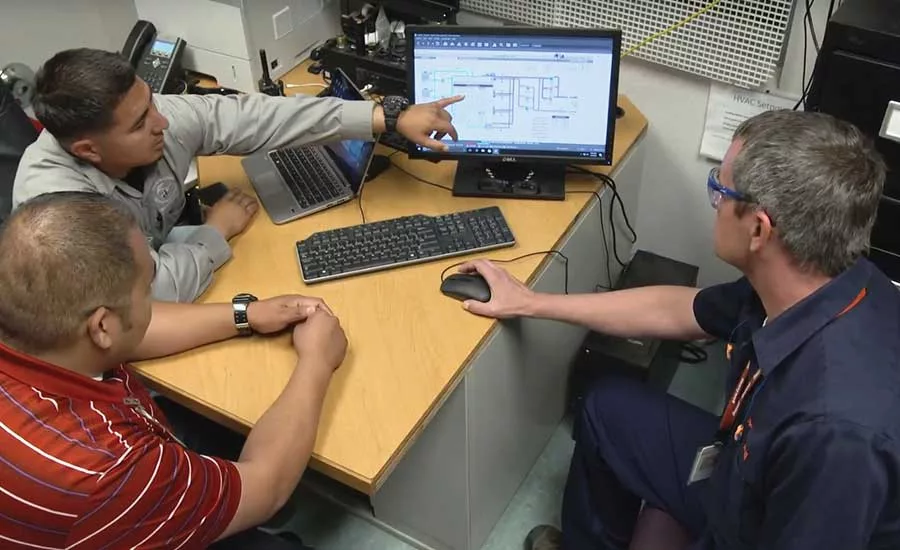
By employing a cloud-based building management system, officials with the Phoenix Union High School District are able to more efficiently track maintenance and comfort issues in the 18-school district.
Many K-12 schools today are creating more effective and safer learning environments for their students and staff by enabling their buildings to work harder for them. A key factor is using technology to better manage IAQ, proactively identify building repairs before they cause interruptions, find energy efficiencies, and reduce overarching operating costs.
One school district that is seeing a direct benefit of implementing a cloud-based analytics platform to gain real-time information about its buildings’ HVAC systems is the Phoenix Union High School District (PUHSD) in Arizona, which is one of the largest high school districts in the U.S., comprised of 18 schools spread out over 220 square miles. More than 27,000 students and nearly 3,000 employees walk the halls of PUHSD’s facilities — so it’s critical that air conditioning flows uninterrupted to ensure optimal comfort levels while also saving energy costs.
Prior to this system evolution, campus operations within the school district required local campus facility supervisors and campus operations to be responsible for all maintenance scheduling, set-point adjustments, the first response to occupant complaints, and additional tasks related to the upkeep of school HVAC systems. Data analysis of issues often occurred after the fact, if data was available at all, leading to long periods of noncompliance. In addition to compliance issues, no one in the district was overseeing board-approved temperature set-point standards, leading to an overall uncontrolled system. Other setbacks caused by the old system included higher support costs, more time and resources spent on maintenance, and poor occupant comfort.
Each of these issues resulted in a large volume of complaints regarding the temperature in the district’s facilities. These implications were significant and took away from providing the best teaching and learning environments possible. Temperature discomfort can be a major distraction and in some cases even shut down a school. It was an added burden for teachers and students across the district. Comfort assurance and maintenance optimization can lead to cost savings and additional occupant benefits.
Prior to the district’s updates, system issues and failures would go unaddressed or unnoticed until complaints were logged and workers could be deployed as first responders to assess each situation. Overall, maintenance was largely a reactive operation. One of the district’s goals was to enable more proactive maintenance and monitoring to help avoid issues before they surface.
To determine which updates were most crucial, the district worked closely with technical resource managers to conduct a full information and communications technology assessment with the IT team as well as a data collection and needs assessment. This enabled the district and engineering team to determine key success factors and make improvements measurable on an ongoing basis.
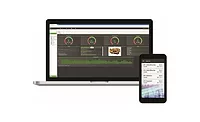
By consolidating 18 separate servers into one centralized, cloud-based EBI server, the district is now able to monitor systems more closely, enabling preemptive repairs before issues become interruptions or complaints.
The district is also better able to determine whether equipment can be repaired or must be replaced. Through proactive monitoring across the centralized server, the district can more accurately gauge the performance of assets to understand if and why they’re performing poorly before scheduling costly maintenance.
Another of the district’s main goals was to streamline operations regarding maintenance and repairs. A more proactive approach has helped workers integrate operations, but to get the most out of its investment, the district also worked with the team to develop new and more efficient operating procedures.
Much of the district’s operational streamlining has been enabled by Honeywell’s consolidation of servers into one centralized cloud-based EBI server as well as the installation of Outcome Based Service (OBS). For instance, technicians would previously have been required to spend hours figuring out a problem based on complicated or inconsistent work orders. OBS has enabled automatic, standardized detailed work orders enabling technicians to more quickly identify problems before trying to troubleshoot and repair a maintenance problem.
More centralized and detailed monitoring has also enabled prioritization on buildings with the most urgent needs. For example, it was discovered that Maryvale High School’s comfort level performance was only at 50 percent once the district started using OBS. After just a few weeks with the new system, the team was able to reduce the number of complaints and move the comfort level to 97 percent at Maryvale.
With a stronger performing, proactive, and more streamlined system, Phoenix Union High School District building occupants no longer need to worry about being disrupted by frustrating temperate challenges that were holding them back from focused learning.
Since the team’s work on school HVAC systems concluded, complaints from buildings within the Phoenix Union High School District have fallen by 50 percent while comfort performance has improved by 30 percent. Following this success, the district is considering how to leverage its new system to make further improvements including more strategic use of data analytics to help strengthen security, improve operational efficiencies, and maximize classroom space.
Looking for a reprint of this article?
From high-res PDFs to custom plaques, order your copy today!