Moisture Matters: Dehumidifying Older Buildings
Revitalizing turn-of-the-century infrastructure means finding a way to dehumidify interiors successfully. Before you move on to weighing DOAS and other techniques, understand the built-in relationship between these structures and water.
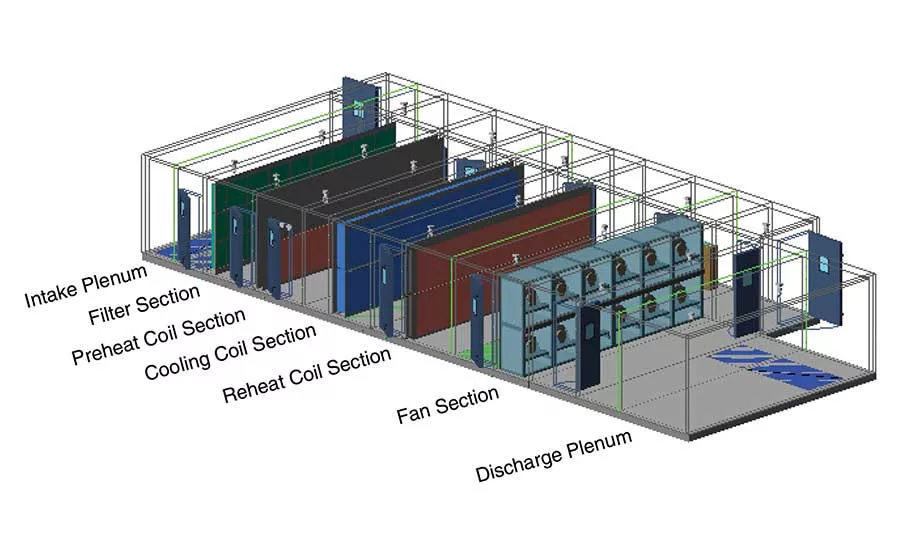
FIGURE 1. Typical dedicated outside air unit components.
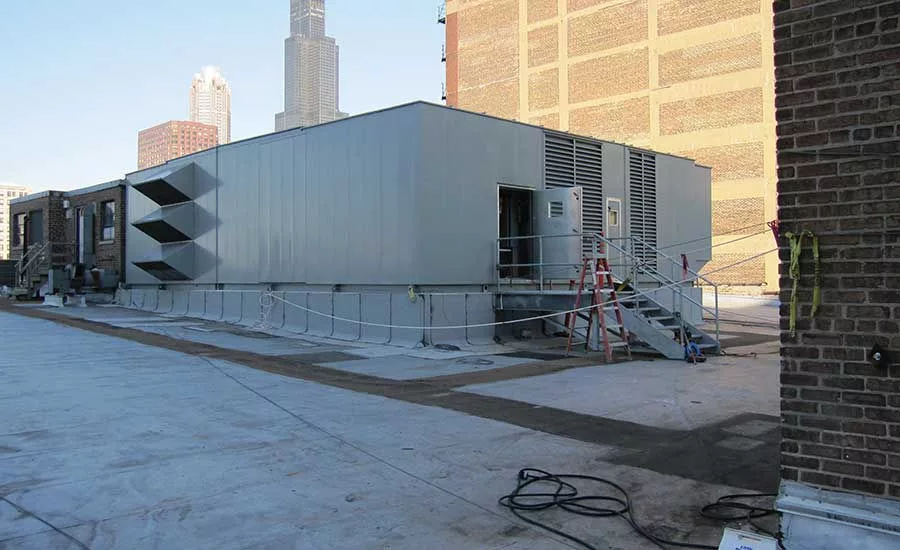
FIGURE 2. Rooftop DOAS unit with exhaust air heat recovery.
They don’t make them like they used to — especially when it comes to turn-of-the-century and post-WWI era infrastructure. Rising in major metropolitan cities to support a significant increase in U.S. production and consumption during the 1920s, these legacy buildings are quickly becoming today’s historical landmarks. Since they’re here to stay, it’s high time we get good at rehabilitating them.
Built prior to the advent of air conditioning, heavy mass buildings erected in the early twentieth century were naturally designed to deal with moisture, as they relied on natural ventilation (operable windows) to make their interiors habitable. Built with high-mass materials like brick, stone, and concrete, these buildings were able to absorb liquid water and water vapor slowly, manage the moisture, and dry to the inside and outside as needed.
But after sitting vacant or underutilized for years or decades, even heavy mass buildings can incur moisture and physical damage that can require significant effort to rectify. Similarly, the other major challenge to breathing new life into these historical landmarks will be just that — blowing conditioned air into the space while managing moisture in a way that is consistent with the original design of the building.
Answer these questions first
Conditioning a historical, heavy-mass building with punched window openings with an eye toward creating lasting and meaningful change will take a major understanding of the facility’s natural movement of inside air, how the building was originally designed to handle moisture, and its existing interior materials. Finding out the answers to the following questions as they relate to the individual historic structure will be the first step toward breathing new life into a legacy structure.
How does the building naturally handle moisture? When significantly altering the way the building was designed to naturally handle moisture and moisture barriers, it’s important to first understand the natural drying cycle of the building’s envelope. For example, if the natural cycle is to weep to the outside and dry to the inside, then don’t fight it — go with that cycle in the design of the new HVAC system. The challenge will be to still control the envelope enough to maintain occupant comfort but not so much that the drying cycle gets altered. Don’t make the mistake of specifying a vapor barrier that’s too restrictive and could therefore prevent the moisture from drying to the inside and instead get trapped in the wall cavities or building materials.
At what rate does the building heat and cool? The instantaneous heating and cooling loads of a heavy mass building are less severe than that of a facility with a glass envelope or lightweight cladding because of the limited amount of glazing and the sheer thermal mass of the building envelope materials (e.g., brick, stone, and concrete). Therefore, the air conditioning loads of heavy mass buildings will experience a delayed peak. This can provide the building with lag time to shift or defer the loads to later. While this phenomenon is beneficial from a heating and cooling perspective, it also means that these heavy mass envelope materials will get wet and need to dry to the inside, instead of repelling water — like glass. Therefore, the perimeter spaces of a mass building will require more consideration when selecting HVAC options. It is important that there be a proper dehumidification during the summer and that cold surfaces are insulated, or kept above dew point. This is especially true when using a decoupled system like chilled beams or fan coil units. This strategy may be necessary during occupied and unoccupied hours if a setback schedule is maintained.
How does the building hold onto moisture? When a legacy building sits for long periods of time, the building materials absorb moisture, especially in climates with high rh. The result is a high water content in the building materials with no avenue available to dry out, due to lack of dehumidification, heating, or cooling for so many years. Materials will absorb, retain, and release moisture based on the rh of the environment. Therefore, even in cool climates, if a building has been sitting vacant, it can retain significant moisture because the rh is high from a lack of sufficient heating.
Once these answers have been researched and documented, they can be used to help inform the design and renovation plan for migrating the heavy mass building to a contemporary, air-conditioned facility.
CASE IN POINT: 2.5M-sq-ft Landmark Midwest Building
One 2.5 million–sq-ft legacy facility located in the Midwest was purchased by a development company for purposes of turning it into a trendy, multitenant downtown office building. Built at the turn of the century, this building complex lay dormant for decades. With huge floor plates — about 80% of the facility is interior and only 20% exterior — there’s little room to ventilate the interiors via the perimeter of the building. The floor plates are being preserved for daylight and views.
The other challenge to the design of the building’s MEP systems is the 2.7 million cubic ft of concrete, brick, clay tiles, and other heavy mass building materials that make up the facility. Because the facility absorbed and retained a tremendous amount of water over the last few decades with little to no air conditioning or dehumidification, the building needs to be dried out before it can even be worked on. Calculations determined that the building’s materials currently contain enough excess water to fill an entire Olympic sized swimming pool — that’s 550,000 gallons of water. With traditional dehumidification, an rh of 50%, and a temperature of 72ºF, it would take 533 days of continuous conditioning at standard office levels to dry out all the excess moisture from the building. But with the building sitting idle, the developer can’t wait two years to begin construction.
Instead, a more sophisticated dehumidification system would need to be employed to dry the interiors out at a faster rate. The team looked at a number of options, including floor-by-floor recirculating air handling units, DOAS fan powered boxes with chilled water coils, and active chilled beams.
Running calculations to determine which option would withdraw water from the building materials and into the air quicker, it was determined that if the rh in the building is depressed to 30% and a DOAS is operational 24/7/365, it will take half the time — approximately 250 days — to dry the building out.
Ultimately, the solution was to install a DOAS system early, bringing dry air into the facility with some distributed exhaust to help remove the moisture from the space prior to any interior buildouts. The next question was to determine which technology to use in conjunction with the DOAS. Investigating multiple mechanical cooling and desiccant options ultimately resulted in the choice of a combination of liquid desiccant and chilled water.
DOAS: The smart choice for the dehumidification of legacy structures
If properly designed and engineered, built, and operated, any conventional modern commercial air conditioning system should be able to provide sufficient occupant comfort and indoor air quality in any building — old or new. That being said, some systems are better than others for specific applications like dehumidifying a turn-of-the-century heavy mass building.
In a conventional system, dehumidification is generally a byproduct of providing sensible cooling to a space. Therefore, where dehumidification as a primary objective is optimal, a DOAS system can be retained to work independently from the heating and cooling system. This can actually save energy, but it will more importantly do the job of dehumidification better — mitigating the moisture problem in the building and preserving the building systems and interior materials.
The DOAS works to pinpoint and suppress the dew point and rh in the space without over cooling and subsequently reheating large volumes of air. Additionally, the DOAS can include a liquid or dry desiccant instead of relying on mechanical cooling to do the dehumidification. This shifts some of the energy input from electricity to less expensive sources of heat or waste and reclaimed heat.
The greatest opportunity the DOAS presents for all buildings is the ability to meet precise building humidity expectations and requirements, with the tools to enable optimal occupant comfort and productivity. The benefit the DOAS presents for legacy, turn-of-the-century buildings is the demand for less ceiling space for duct distribution, as only about 25% of the outside air as compared to a traditional HVAC system is actually distributed throughout. Typically, the biggest challenge to integrating modern HVAC systems into a historical landmark is fitting in the infrastructure necessary to create a comfortable space. A DOAS system is a natural fit for spaces with tight ceilings.
Systems integration from the outside in
When it comes to choosing the right HVAC system for any facility, there are a variety of competing demands, especially when it comes to a legacy facility and/or historical landmark. From the architect and MEP engineer requirements to the owner’s needs, occupant requests and applicable codes and standards, the challenge for today’s designers is to build a final product that can seamlessly integrate all of the above.
The best way to achieve true integration is to view and design the building from the outside in — from the skin at the surface level to the most important materials and equipment on the inside. Considering climate, materials, codes and standards, and equipment will all be critical to ensuring that moisture doesn’t meddle with any building’s potential lifecycle or owner’s profits. ES
Looking for a reprint of this article?
From high-res PDFs to custom plaques, order your copy today!