search
Ask ACHR NEWS AI
cart
facebook twitter instagram linkedin youtube
  • Sign In
  • Subscribe
  • Sign Out
  • My Account
  • NEWS
  • TECHNOLOGY
    • Heating & Boilers
    • Cooling & Chillers
    • Pumps & Flow Controls
  • SECTORS
    • Commercial
    • Health Care
    • Data Center
    • Educational Facilities
  • DESIGN | CONSTRUCTION
  • OTHER TOPICS
    • High-Performance Buildings & Automation
    • Ventilation and IAQ
    • Commissioning
    • HVAC Retrofits
  • TODAY’S BOILER
    • Today’s Boiler Archives
    • Today’s Boiler Digital Edition
  • MORE
    • Case Studies
    • Podcasts
    • Videos
    • Directory
    • Webinars
    • ES NEWS Store
    • White Papers
  • SIGN UP
  • Back to The NEWS
Engineered Systems NEWSHVAC Engineering SectorsHigh-Performance Buildings & AutomationVentilation and IAQCommercial HVAC

Outdoor Air Management And IAQ

By Paul Ehrlich P.E.
BuildingAutomation
January 1, 2016

Proper BAS monitoring can help juggle pressure, economizer strategy, and occupant needs.

The proper management of outdoor air is an ongoing challenge for commercial buildings, and one of the key functions that needs to be managed by a building automation system. Controlling outdoor air is a matter of balance. Here are the key parameters we need to monitor and control.


Building pressure. Ideally, we want the building to be at a neutral or slightly positive pressure at all times. This helps to minimize air infiltration, avoids “wind tunnels” in the lobby, and makes it easy to open and close doors to the outside. Outdoor air is required to balance the flow of exhaust required for bathrooms, kitchens, and other functions. From a controls perspective, there are several ways to manage building pressure. The best solution is to attempt to measure building pressure differential, and control directly based on this value. Since it can be a challenge to get good sensing locations, an alternate solution is to calculate anticipated exhaust flow and balance with a like amount of supply air.

Free cooling or economizer. Generally, we would like to use outdoor air to cool the building whenever possible. There are many hours of the year, even in hot humid climates, where outdoor air is all that is needed to provide for cooling. An outdoor air economizer can also be used in conjunction with mechanical cooling during other hours of the year. Management of an outdoor air economizer requires special attention to the indoor and outdoor air conditions (temperature and humidity) as well as building pressure. Special care is required in deciding when to change in and out of the air economizer, and in protecting coils when economizing in sub-freezing weather.

Indoor air quality (IAQ) management. The final part of the outdoor air balance is in managing for proper IAQ. Outdoor air can be used to dilute the contaminants (odors, CO2, volatile organic compounds, etc.) that result from the material in the building as well as from the occupants. Note that a portion of the ventilation air needed for dilution is provided as part of the building pressurization, and generally when in economizer mode, there is ample ventilation air provided. Conditioning outdoor air for dilution is fairly energy intense. It has to be heated in the winter and cooled and dehumidified in the summer. There are several approaches to best managing dilution air:


  • The amount of ventilation air can be controlled using demand-controlled ventilation (DCV). This strategy allows you to reduce the “people part” of the ventilation equation based on feedback from CO2 sensors or other methods such as occupant counting.
  • Utilize ASHRAE standard 62.1, which provides details for how to best manage IAQ and has been accepted as part of code in most states.
  • Note that the latest version of standard 62.1 now allows for alternatives to dilution-based ventilation as part of an IAQ plan. For example, sorbent-based systems utilize a chemical that is able to absorb CO2 and VOC’s, and then use a heater and fan to periodically “regenerate” the sorbent. These systems generally include their own packaged controls and may also be able to interface to the BAS. Careful consideration should be used in designing the control sequences for these new systems.


Developing sequences for outdoor air management that balances the items above can be a challenge, but they are critical for the safe and efficient operation of any building.  ES

Share This Story

Looking for a reprint of this article?
From high-res PDFs to custom plaques, order your copy today!


Paul Ehrlich is the founder and president of Building Intelligence Group LLC, a consulting firm focused on the delivery of energy efficient commercial buildings with a  focus on controls, systems integration, and building to grid integration. For more information, see www.buildingintelligencegroup.com.

Recommended Content

JOIN TODAY
To unlock your recommendations.

Already have an account? Sign In

  • HVAC-enrollment

    The Trades Are Back: HVACR Programs See Nearly 30% Enrollment Spike

    A new wave of future technicians is entering the pipeline.  
    News
    By: Matt Jachman
  • 2025 Top 40 Under 40

    2025 Top 40 Under 40 HVACR Professionals List

    The 11th annual Top 40 Under 40 list highlights those...
    News
    By: Hannah Belloli-Oster
  • LG Ductless Mini-Split Systems

    The 9 Types of Heat Pumps

    As the U.S. moves toward electrification, heat pumps are...
    News
    By: Joanna R. Turpin

More Videos

Today's Boiler

Spring 2026 Issue

Today's Boiler - Spring 2026 Cover

Read More from Today's Boiler

Case in Point Logo

Smarter Hydronic Design for Data Centers - Free Webinar - January 22, 2026

Related Articles

  • National Institute of Building Science IAQ

    Indoor and outdoor air concentration levels can guide HVAC management to occupant health

    See More
  • Classroom

    Ensuring Comfort and IAQ in Commercial Buildings and Schools During Summer

    See More
  • LG DOAS Split

    Split Dedicated Outdoor Air Systems – LG Air Conditioning Technologies USA

    See More

Related Products

See More Products
  • 9781482255676.jpg

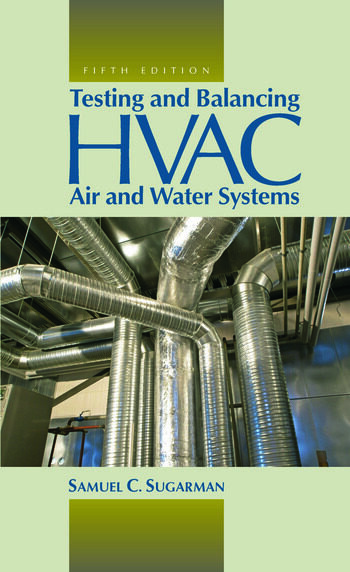
    Testing and Balancing HVAC Air and Water Systems, Fifth Edition

  • Manual B.jpg

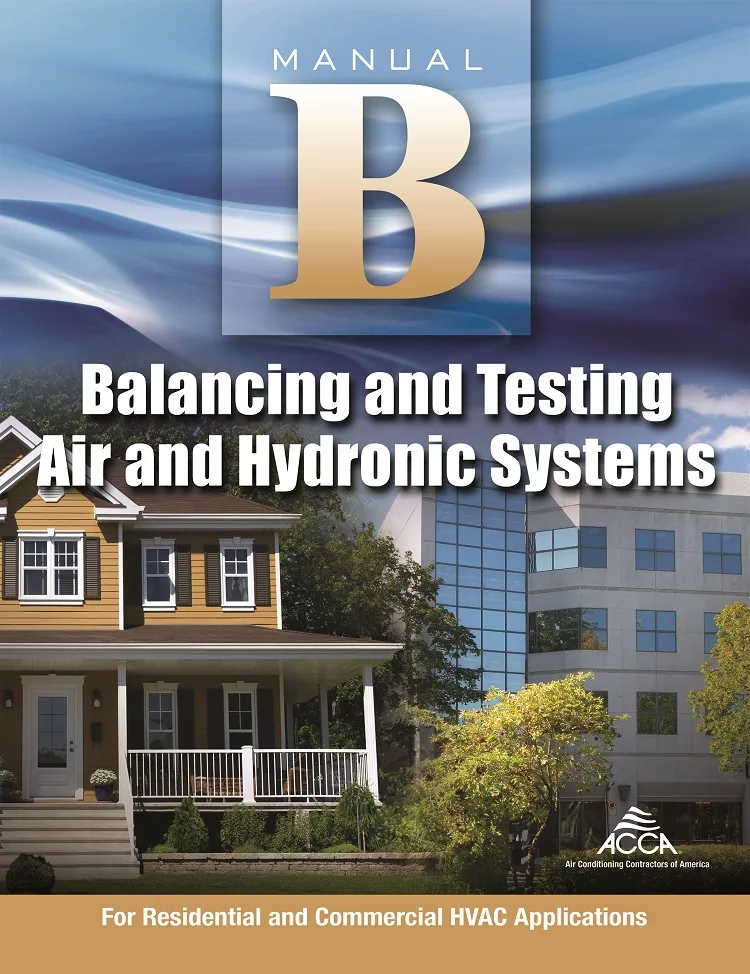
    Manual B - Balancing and Testing Air and Hydronic Systems

  • Service-Management-Excellence-Image-2A.jpg

    Service Management Excellence

See More Products

Events

View AllSubmit An Event
  • May 19, 2026

    Addressing IAQ, Humidification, and Dehumidification Issues for Your Customers

    On Demand This webinar from The ACHR NEWS will examine how IAQ and dehumidification strategies differ, and overlap, across residential and commercial applications.
View AllSubmit An Event
×

Sign Up. Stay Informed.

The #1 trusted source for the HVACR industry since 1926

SUBSCRIBE
  • RESOURCES
    • Advertise
    • Contact Us
    • Advisory Board
    • Classifieds
    • Submit a Letter
    • Directories
    • Store
  • ACCOUNT CENTER
    • Create an Account
    • Start a Subscription
    • Manage My Account
    • Sign Up for Newsletters
    • Visit Customer Service
    • Update Preferences
  • SERVICES
    • Marketing Services
    • Reprints
    • Market Research
    • List Rental
    • Survey/Respondent Access
  • STAY CONNECTED
    • LinkedIn
    • Facebook
    • Instagram
    • YouTube
    • X (Twitter)
  • PRIVACY
    • PRIVACY POLICY
    • TERMS & CONDITIONS
    • DO NOT SELL MY PERSONAL INFORMATION
    • PRIVACY REQUEST
    • ACCESSIBILITY

Copyright ©2026. All Rights Reserved BNP Media, Inc. and BNP Media II, LLC.

Design, CMS, Hosting & Web Development :: ePublishing