search
Ask ACHR NEWS AI
cart
facebook twitter instagram linkedin youtube
  • Sign In
  • Subscribe
  • Sign Out
  • My Account
  • NEWS
  • PRODUCTS
  • SHEET METAL
    • Fabrication
    • Workers
    • Machinery
    • Architectural Sheet Metal
    • Metal Roofing
  • OTHER TOPICS
    • Duct Sealing & Cleaning
    • Spiral Duct
    • Shop Layout
    • Steel Reports
  • EDUCATION
    • Columns
    • Apprenticeship Reviews >
      • Submit Review
    • Sheet Metal Unions Map
    • Sheet Metal History
    • History of SNIPS NEWS
    • Webinars
  • DIRECTORY
  • MORE
    • Newsletter
    • eMagazine
    • Videos
    • Podcasts
    • Quiz
    • SNIPS NEWS Store
    • Contractor of the Year
    • Sponsor Insights
  • SIGN UP
  • Back to The NEWS
SNIPS NEWSSheet Metal FabricationSheet Metal MachineryDuct Sealing & CleaningSpiral Duct

Why Flame Attenuated Insulation is Better than Rotary for Most HVAC Applications

While flame-attenuated marbles do add an extra step to production, they also add a step of quality control

By Austin Keating
Fibers
Fiberglass
Pot And Marble
Fiberizer
Fibers
Fiberglass
Pot And Marble
Fiberizer
March 7, 2024

HVAC insulation is made of fiberglass, but refined fiberglass attenuated by flames to achieve consistent density is usually the ideal fit for HVAC insulation. This is especially true when lining ductwork, where the duct liner can be cut into small individual pieces for fittings and transitions.   

Fiberglass produced on rotary equipment on the other hand, with a less consistent distribution of fibers, is better suited for thicker insulation – where the imperfections are layered over and the product is handled less.

Product managers from Johns Manville, a company that uses both flame attenuation and rotary methods for insulation production, recently delved into why they usually use flame attenuation for HVAC products over rotary. Their Linacoustic RC duct liner, for example, is flame attenuated; the finer fibers make for easier processing on duct fabrication equipment.

“If you imagine you're cutting through something with a knife and all of a sudden you have a dense spot, your knife slows and then you get stuck there. It’s a lot easier if you can just be smooth and consistent through the cut,” said Cassie Todtenhagen, product manager of insulation systems at Johns Manville.

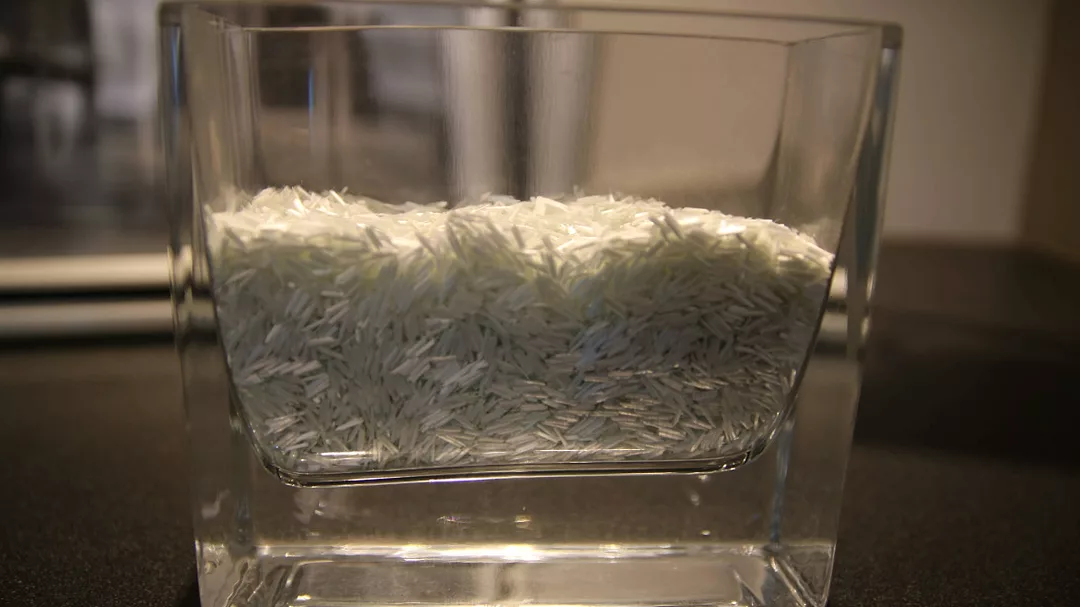
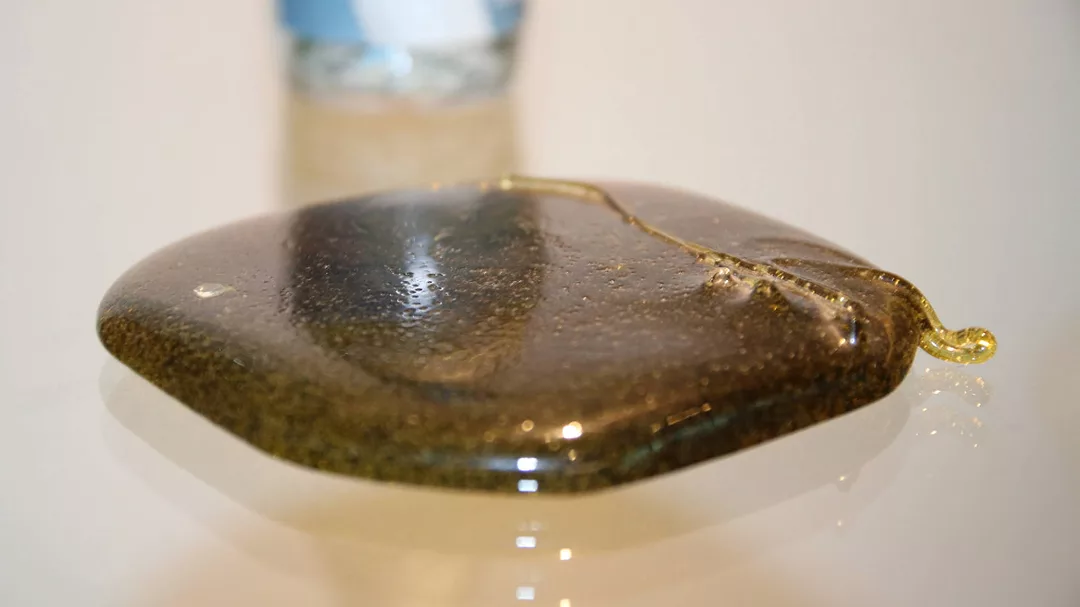
Todtenhagen broke down the difference between these two insulation recipes by first defining flame attenuation as a process that usually relies on a pot that melts marbles, dripping strands down using gravity for its first stage of attenuation, as a gas burner elongates the fibers for the second phase.“

‘Pot and marble’" and ‘flame attenuation’ are generally considered synonymous, although the latter is a bit more general,” Todtenhagen said. 

From the insulation manufacturer’s perspective, sourcing marbles can be a constraint to production, as the marbles need to be produced before they can be used. The multiple phases of production limit scalability. 

That’s why JM pioneered the development of rotary fiberizers in the 1960s, with the rotary method of fiberizing glass yielding a higher throughput at much lower energy usage. Today, JM deploys over 100 rotary fiberizers across its manufacturing plants, using high speed air jets to attenuate the strands of glass instead of gas burners, although there are a number of hybrid fiberizers.

But when it comes to the manufacturers of HVAC equipment, who require thin insulation, JM relies on the flexibility of their pot and marble infrastructure to produce more consistent fibers for those narrower depths. Likewise, they have the flexibility to produce smaller rolls than rotary lines.

And while marbles do add an extra step to production, they also add a step of quality control.

“We make the marbles, we quality control the marbles, and then you’re remelting those marbles instead of melting them for the first time. That allows the fibers to be more consistent than the batch rotary process,” Todtenhagen concluded. “The rotary process is continuous and makes much more, less refined fiberglass than the pot and marble process.”

KEYWORDS: duct insulation duct systems duct testing insulation sheet metal ductwork

Share This Story

Looking for a reprint of this article?
From high-res PDFs to custom plaques, order your copy today!


Austin keating
Austin Keating is the special section editor of SNIPS NEWS at The ACHR NEWS. He covers sheet metal, mechanical contractors, duct cleaning, testing and balancing, steel, building information modeling (BIM) and architecture, engineering and construction (AEC). Prior to joining BNP Media, he served as field editor for Prairie Farmer and media specialist at the National Center for Supercomputing Applications. Email him at keatinga@bnpmedia.com.

Recommended Content

JOIN TODAY
To unlock your recommendations.

Already have an account? Sign In

  • HVAC-enrollment

    The Trades Are Back: HVACR Programs See Nearly 30% Enrollment Spike

    A new wave of future technicians is entering the pipeline.  
    Training and Education
    By: Matt Jachman
  • 2025 Top 40 Under 40

    2025 Top 40 Under 40 HVACR Professionals List

    The 11th annual Top 40 Under 40 list highlights those...
    HVAC Residential Market
    By: Hannah Belloli-Oster
  • LG Ductless Mini-Split Systems

    The 9 Types of Heat Pumps

    As the U.S. moves toward electrification, heat pumps are...
    HVAC Commercial Market
    By: Joanna R. Turpin

More Videos

SNIPS NEWS Buyers Guide
Explore Carlisle HVAC Insights

Related Articles

  • Some Certification Is Better Than No Certification

    See More
  • St. Johns Mattoon

    For Private High School, Simple HVAC is Better

    See More
  • June 1, 2010: SMACNA's HVAC Applications Manual Is Available for Public Review

    See More

Related Products

See More Products
  • Modern Geothermal HVAC Engineering and Control Applications

  • Digital Controls for HVAC Technicians

  • Manual LLH Cover_Final.jpg

    Manual LLH - 2019 (HVAC System Design for Low Load Homes)

See More Products

Events

View AllSubmit An Event
  • September 30, 2025

    HVAC Pumping Systems for Commercial Building Applications

    On Demand Join us for an exclusive webinar on the latest advancements in parallel commercial HVAC pumping solutions designed to simplify installation and improve system efficiency.
  • June 23, 2026

    HVAC Duct Sealing Mastics: Why Selection Matters

    On Demand In this webinar we will detail what HVAC material buyers and technicians need to know when selecting duct mastics, including matching mastic to substrate, alternatives to liquid mastic, and where UL 181 Listings fit into real world installations.
View AllSubmit An Event

Related Directories

  • Flame King

    Flame King is a trusted supplier known for delivering high-grade propane tanks and propane accessories to meet the diverse needs of recreational, commercial, industrial, and home applications.
×

Sign Up. Stay Informed.

The #1 trusted source for the HVACR industry since 1926

SUBSCRIBE
  • RESOURCES
    • Advertise
    • Contact Us
    • Advisory Board
    • Classifieds
    • Submit a Letter
    • Directories
    • Store
  • ACCOUNT CENTER
    • Create an Account
    • Start a Subscription
    • Manage My Account
    • Sign Up for Newsletters
    • Visit Customer Service
    • Update Preferences
  • SERVICES
    • Marketing Services
    • Reprints
    • Market Research
    • List Rental
    • Survey/Respondent Access
  • STAY CONNECTED
    • LinkedIn
    • Facebook
    • Instagram
    • YouTube
    • X (Twitter)
  • PRIVACY
    • PRIVACY POLICY
    • TERMS & CONDITIONS
    • DO NOT SELL MY PERSONAL INFORMATION
    • PRIVACY REQUEST
    • ACCESSIBILITY

Copyright ©2026. All Rights Reserved BNP Media, Inc. and BNP Media II, LLC.

Design, CMS, Hosting & Web Development :: ePublishing