How to Prepare for Working in Hot Weather
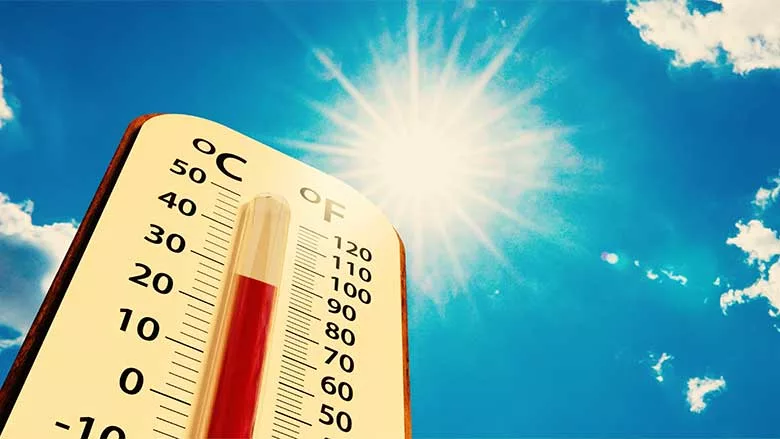
The topic of heat stress has been in the forefront of Federal OSHA, state regulators, and standards setting groups over the past five years and 2022 is “heating up” as well. The potential for a worker to experience heat stress related illness (heat illness) can be significant in many parts of the country in the coming months and Federal OSHA and state plan states are taking an active role in outreach and regulations. Most regulations address heat stress in both indoor and outdoor work settings (shops and construction sites) and some companies may need two programs to address the hazards unique to each work area.
Current and Future Heat Stress Regulations and Outreach
Due to the variety of personal risk factors and the individuality of heat stress affects, regulating heat stress can be challenging. Several states currently have heat stress / heat illness regulations in place including California which was one of the first states to implement a standard, motivated by fatalities in the agriculture industry. To summarize the current California standard, it focuses on these main items: Water, Shade, Acclimatization, and Preparation including training and preparation of a Heat Illness Prevention Plan. Suffice to say, newer guidance and regulations will consider numerous other issues and terminology discussed above that many companies will need to be familiar with when preparing heat stress plans to meet upcoming standards and regulations..
Federal OSHA has taken a variety of steps and initiatives to address heat stress including informative webpages, a much-anticipated National Emphasis Program (NEP) they plan to launch in Spring 2022, and consideration of a permanent Heat Stress Standard through an Advanced Notice of Proposed Rulemaking (ANPRM) in October 2021. The ANPRM closed January 2022 and OSHA received over 1,000 comments so it will be many months before a proposed rule will be published. The NEP will focus on “high risk industries” including manufacturing and construction. An NEP allows OSHA to direct resources to the issue including enforcement of standards. In the case of heat stress, in lieu of a permanent Federal standard for heat stress, OSHA can and will use the General Duty Clause to cite companies for alleged violations for not protecting workers from serious injury / harm. As part of its efforts to promulgate a full standard, Federal OSHA recently established the Heat Injury and Illness Prevention Work Group of the National Advisory Committee on Occupational Safety and Health (NACOSH). The Work Group met for the first time on February 25 and was established to help NACOSH respond to OSHA’s request to provide recommendations on the agency’s heat injury and illness prevention guidance and rulemaking activities.
What is Heat Illness? Heat illness includes several medical conditions caused by overexposure to heat and humidity including the impact of workload and clothing. Heat illness can be defined as “a variety of medical disorders due to environmental, metabolic (physical activity), and workplace exposures to heat. Heat illness occurs when there is an increase in the worker's core body temperature above healthy levels”. The common heat illnesses include heat rash, heat cramps, heat exhaustion, heat syncope (fainting), and heat stroke. As medical conditions, all heat illnesses have signs and symptoms that are critical to early identification and proper response. Contractors should consider starting or updating company heat stress programs considering the direction most regulations are taking. In the past, a program could basically address shade, rest, and water to prevent many heat stress concerns. However, recent studies and research shows that a proper heat stress program should include other related topics and contractors would do well to incorporate these issues in a proactive heat stress program.. Heat Stress Programs Workers need to be aware of Personal Rick Factors that affect how heat impacts them individually. Typical risk factors include age, obesity, poor diet, alcohol use, prescribed and non-prescribed drugs and medications, fatigue, smoking and tobacco use, and existing medical conditions such as asthma, diabetes, and high blood pressure. Acclimatization is the process of adapting to a hot environment and/or physical demands of work to reduce the risk of heat-related illness and improve physical work capabilities. This is important at the start of hot weather months or for new workers. Federal OSHA reports that 3 of 4 fatalities from heat illness happen during the first week of work. Many regulations are requiring rest periods throughout the workday depending on the potential impact of worker heat stress. One complication with implementing rest breaks is balancing the need to stay productive in extreme heat conditions. As with all safety and health hazards, heat stress requires hazard recognition and workplace surveillance to proactively identify and prepare for the workday. The level of anticipated heat illness hazard is related to the temperature and humidity at the worksite or in the shop. While it appears a program “trigger” of 80 degrees Fahrenheit is common, there are other factors to consider including humidity levels. Heat Index and Wet Bulb Globe Temperature (WBGT) are mentioned in numerous studies as the two most common ways to determine temperature and humidity and companies will need to be familiar with these measurements. Training is key to any safety and health program and heat stress is no exception since worker self-awareness and supervisory responsibilities are critical to avoiding heat stress emergencies.
For more information on heat stress, heat illness, and related topics, Federal OSHA has these helpful webpages.
- Heat - Overview: Working in Outdoor and Indoor Heat Environments
- Occupational Safety and Health Administration (osha.gov) Heat Illness Prevention Campaign
- Occupational Safety and Health Administration (osha.gov) Heat Injury and Illness Prevention in Outdoor and Indoor Work Settings Rulemaking
- Occupational Safety and Health Administration (osha.gov) Heat Injury and Illness Prevention Work Group of the National Advisory Committee on Occupational Safety and Health
Looking for a reprint of this article?
From high-res PDFs to custom plaques, order your copy today!


