TARIFF TALK
After failed steel tariffs, domestic steel producers and steel consumers must work together
What it takes to get the steel market back on track.
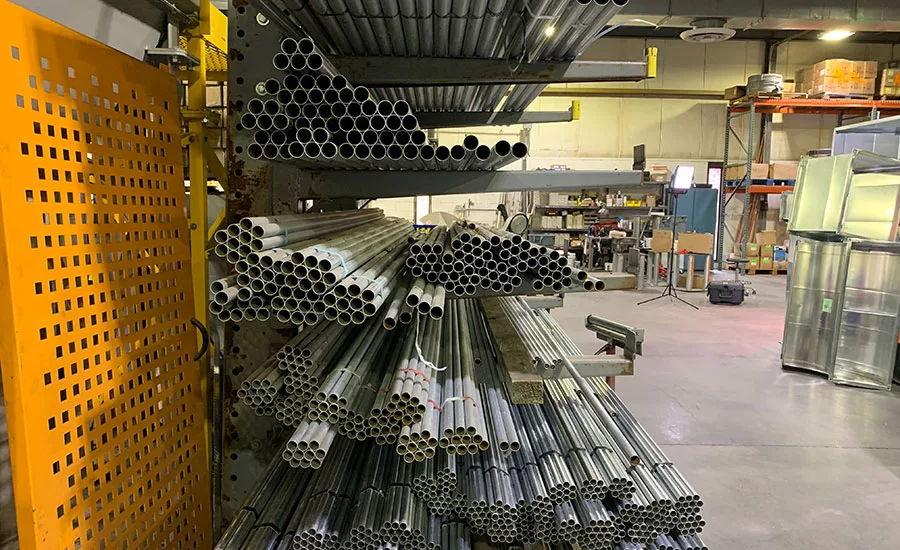
“Unstable,” “unpredictable,” and “slow” are words that both steel producers and steel-using manufacturers (steel “consumers”) are using to describe steel market conditions heading into 2020. This is a far cry from the enthusiasm expressed by steel consumers heading into 2018 and a year later expressed by steel producers heading into 2010 as a result of the Section 232 steel and aluminum tariffs.
How can we get the steel market, steel producers and consumers both back on track in 2020? Here are a few observations.
We’re All in This Together: Part I
For those of us who have been involved with steel trade policy for several decades, the latest battle involving steel imports has a déjà vu feeling. Every time the U.S. has tried to protect the U.S. steel market, short-term gains quickly turned into longer-term losses — for both steel producers and steel consumers.
This time is no different.
For steel producers, the short-term benefit of price increases and demand caused by the Section 232 steel and aluminum tariffs imposed in March 2018 made for a banner year. Profits soared and the industry promised to reopen mothballed mills and go on a hiring spree.
For steel consuming manufacturers, 2018 started with strong growth and expansion but the same price spikes and shortages caused by the steel tariffs that benefited steel producers hurt steel consumers. One Michigan manufacturer told me, “We had record revenue in 2018 and zero profits. The money all went to higher steel prices.”
In 2019, both steel producers and steel consumers were struggling or starting to see a slowdown in business.
The tariffs story is still being written, but it’s clear that tariffs aren’t helping steel producers. The same outcome as every other time the U.S. has tried to unilaterally protect the U.S. steel industry. While presidential administrations may change, basic economics do not.
When the government taxes a commodity, the price of that commodity goes up, and companies will buy less of it. Steel producers benefited initially from the rise in steel prices resulting from the tariffs, but their customers suffered. The result? Steel consumers started losing business to overseas competition and started to buy less steel.
The slowdown has sent steel prices tumbling to a level lower than when the steel tariffs were first imposed March 2018. The promised job boon from the tariffs in the domestic steel industry never materialized, and steel producers are now idling mills and laying off workers.

Paul Nathanson.
Just as with the 2002 Section 201 tariffs, the U.S. is learning that you cannot protect the top of the supply chain without damaging downstream industries, which eventually leads to a slowdown in the entire supply chain.
The fight between steel producers and consumers has produced no winners. So what can change in 2020? Steel producers and steel users are in this together. Steel consumers prefer to buy steel domestically whenever possible and root for a healthy domestic steel market. After all, steel consumers are the steel producers’ customers and good economic policies that benefit one can benefit the other.
A tariff is a tax, and instead of one steel sector encouraging the U.S. government to tax the other, the industry should come together to encourage policies that strengthen the entire manufacturing sector.
We’re All in This Together: Part II
It may be a bit surprising, but steel producers and steel consumers agree about who is causing the problem of overcapacity in the global steel market: China. It’s been clear for years that China’s overproduction of steel is a global challenge that must be addressed. The head of the domestic steel producers’ own trade association recently wrote: “(China) continues to be the biggest and most persistent obstacle to curbing the global steel overcapacity market.”
The U.S. should have addressed the Chinese steel overcapacity problem by showing global leadership and bringing our trading partners together to confront the Chinese about their policies. Instead, the Trump administration chose a “go-it-alone” strategy that resulted in the imposition of U.S. steel tariffs on imports of steel not just from China, but from all our trading partners.
The steel tariffs led to an end to global steel negotiations that were taking place at the Organization of Economic Cooperation and Development (OECD), which were showing some signs of progress. So at a time when the U.S. and its trading partners needed to show a unified front, the U.S. decided to attempt to push the problem to our allies.
The “every country for itself” approach has not worked and has contributed to a slowdown in manufacturing worldwide. The effects are now being felt in the U.S. despite the tariffs.
It’s time for the U.S. to use its leadership role in the global economy to bring China and its trading partners back to the negotiating table to restart negotiations over China’s steel overcapacity. To get our trading partners to do this, the U.S. should terminate the Section 232 steel tariffs. A unified, global approach to the global glut of steel is the only way to effectively address this problem.
We’re All in this together: Part III
For many manufacturers, an issue equally or even more important than trade is the growing shortage of skilled labor in the United States. No amount of tariffs or other policies will help manufacturers if there aren’t people to fill job openings.
There is widespread agreement among companies in the steel producing and steel consuming sectors that the inability to find workers is a significant and growing problem. There are approximately 500,000 manufacturing job openings in the U.S. according to the Department of Labor’s Job Openings and Labor Turnovers Survey. The problem is only going to get worse because of an aging manufacturing workforce.
A study by Deloitte and the Manufacturing Institute expects 2.4 million manufacturing job to go unfilled through 2028. One of the few issues that Republicans and Democrats agree on is that something must be done about this shortage of skilled workers. Congress came together in 2018 and passed into law a bill to increase funds for Career and Technical Education programs and create incentives for public-private partnerships to promote and inform the public about manufacturing careers.
But more needs to be done.
If Democrats and Republicans can come together to address workforce issues, so can steel producers and steel consumers. Both sectors should encourage lawmakers to continue to put partisanship aside when it comes to manufacturing. For example, steel producers and consumers should advocate for Congress to pass into law legislation to address the disparity between four-year institutions and career training programs by ensuring certifications, credentials, and short-term skills courses receive the resources they need to support the demand of manufacturers and potential employees.
Steel producers and consumers can agree that investing in the next generation of manufacturing workers in America by supporting career technical education programs is essential to holding the manufacturing economy together.
As we enter 2020 and the election season, now is the time when manufacturers —both steel producers and consumers — have the attention of candidates for office and must remind them to do their jobs. Support manufacturing in America.
This story originally appeared in the January 2020 issue of SNIPS magazine.
For more steel industry coverage, visit our Steel Reports section!

Looking for a reprint of this article?
From high-res PDFs to custom plaques, order your copy today!