Using tapes in HVAC construction can offer energy savings
Even though the mechanical fastening of the HVAC construction system may be complete, the job isn’t quite done.
There’s still a risk for energy loss, higher utility bills and system failure — unless the system has been properly sealed. Achieving total system closure — or a system that’s free of air loss — could stand between delivering a quality, reliable system and one that could result in costly call-backs to find and repair pesky leaks.
Tape is one option for sealing the system’s ductwork, but it is not intended to replace mechanical sheet metal products fasteners such as screws, welds and gaskets. Instead, it should work in conjunction with these ductwork fabrication products to eliminate the loss of conditioned air at these junctions. Just remember that tape is not created to be a one-size-fits-all solution — there are several options available, so it’s imperative to choose the right tape to complete the task at hand.
Here a few questions to ask when choosing an HVAC tape:
What characteristics do I need?
HVAC tapes vary in strength, adhesive type and initial tack. Determine what type of tensile strength — the amount of force required to break the tape — the job requires. This is especially important for applications that demand maximum-strength performance.
Adhesive type should also be considered. Tapes are available with rubber-based and acrylic adhesives, so be sure to choose one that matches your needs. For example, rubber-based adhesives may not perform as well in cold temperatures as their acrylic counterparts.
Finally, look for tapes that offer good initial “quick stick,” followed by permanent adhesion once the proper pressure is applied. A high level of tack prevents the edges from rolling up or flagging (the tape falling back off) as you work.
What are the application conditions?
There are many factors that can affect the performance of tape, including humidity, cleanliness of the application area and temperature conditions. Cold temperatures are a crucial factor to plan for, especially as the risk for tape failure is increased when work is done in low temperatures with tapes that are not cold-temperature approved.
Does my work need to be code compliant?
Underwriters Laboratories listings are critical for certain applications. This ensures the tape has the proper adhesion and exceptional shear strength to stay in place effectively for the life of the HVAC system.
Although there are currently no specifications requiring the use of UL-listed products for sealing joints and seams of sheet metal ductwork, the UL label can be construed as a mark of quality — a confirmation the tape has been tested and will perform in extreme conditions.
Does my job specify the use of LEED materials?
Many municipal, state and national building codes require building materials that qualify for Leadership in Energy and Environmental Design points from the U.S. Green Building Council. Even if the job doesn’t specify LEED materials, it should be a consideration as LEED-certified products, like HVAC tapes, can impact rebates and tax incentives for contractors.
What’s the proper application technique?
Each tape has a proper technique to be used during application. Following these techniques allows the tape to work exactly how it was designed. Not using the prescribed installation technique could cause improper adhesion of the tape, and ultimately failure to achieve an airtight seal.
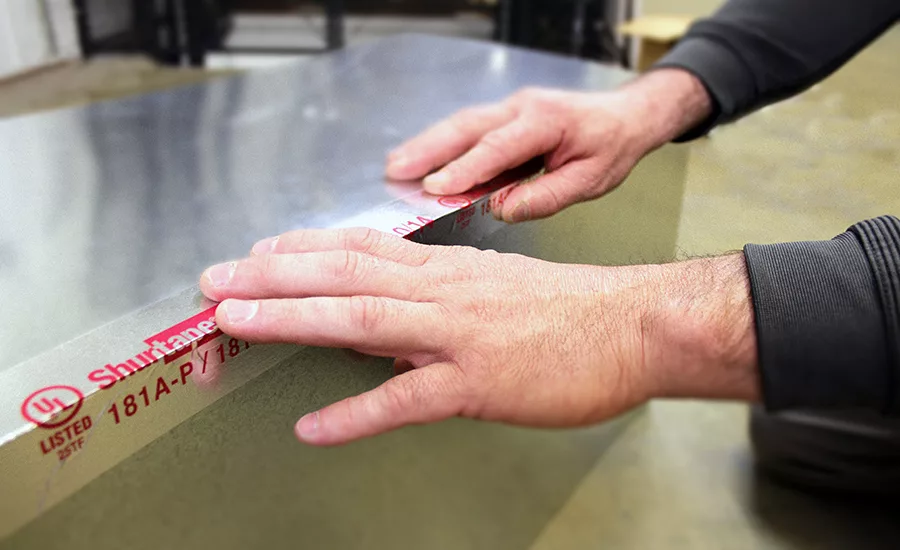
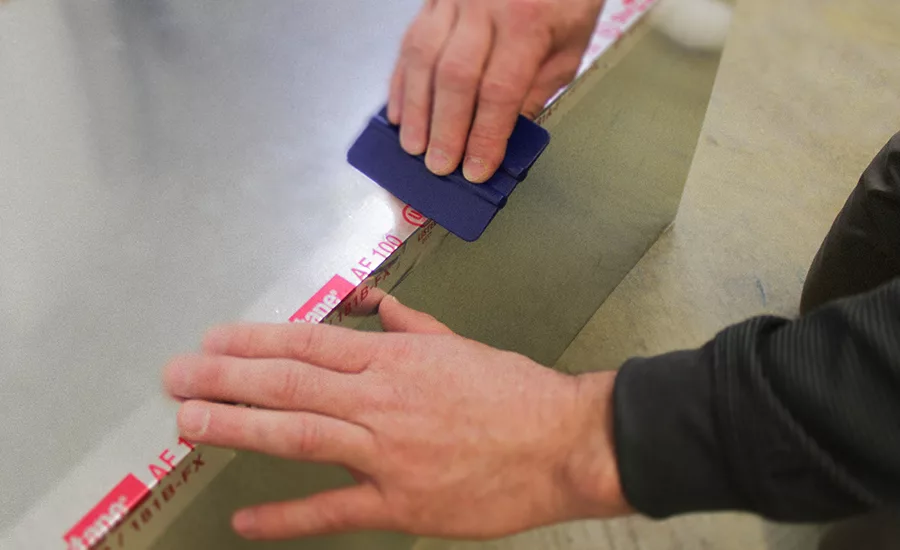
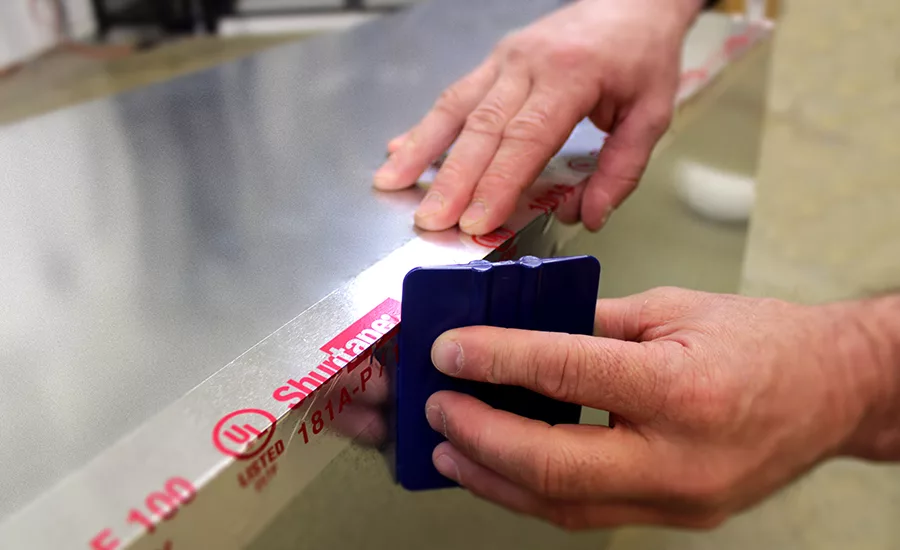
It’s also important to note that HVAC market tapes are pressure-sensitive. In order to form the bond that is needed for a permanent seal, an appropriate amount of pressure must be applied — a squeegee is the optimal tool to provide this force.
Choosing the right tape is critical, especially since it can have a significant impact on the job.
This article and its images were supplied by Shurtape Technologies LLC, a manufacturer of foil, film and composite tapes. Contact them at www.Shurtape.com/HVAC or call (800) 442-8273.
Cutlines:
Tapes specially designed for sealing HVAC systems can
ensure energy efficency and airflow.
The adhesives used in HVAC tapes vary in strength.
The proper pressure must be applied to ensure the tape adheres to the duct.
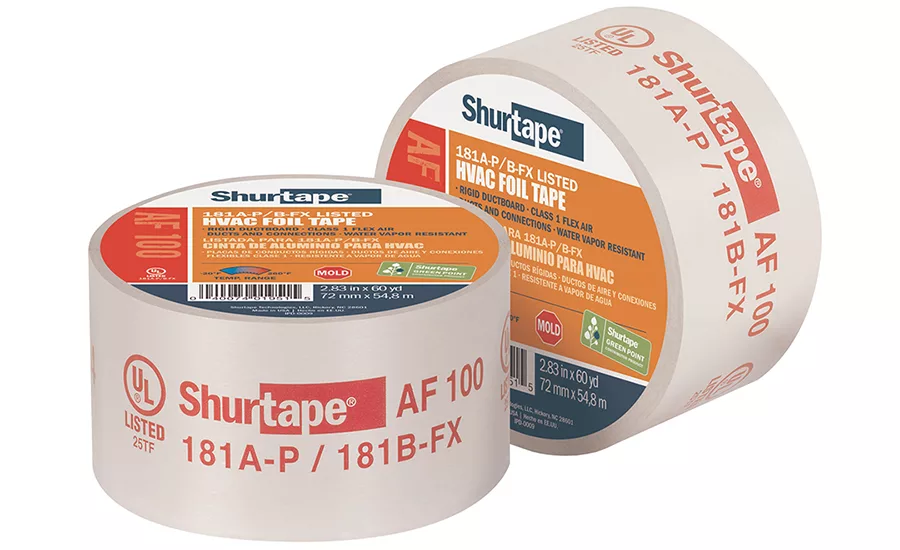
HVAC foil tape from Shurtape is one option for sealing sheet metal products.
Looking for a reprint of this article?
From high-res PDFs to custom plaques, order your copy today!