ACHR News
search
Ask ACHR NEWS AI
cart
facebook twitter instagram linkedin youtube
  • Sign In
  • Subscribe
  • Sign Out
  • My Account
ACHR News
  • NEWS
    • Breaking News
    • New HVAC Products
    • Featured Products
    • Manufacturer Reports
    • HVAC Data
    • Legislation
    • ACHR NEWS Centennial
  • RESIDENTIAL
    • Air Conditioners
    • Furnaces
    • Residential Heat Pumps
    • Ductless
    • Residential IAQ
    • Testing, Monitoring, Tools
    • Components & Accessories
  • COMMERCIAL
    • Air Handlers
    • Rooftop Units
    • Chillers and Cooling Towers
    • Commercial Heat Pumps
    • Boilers and Hydronics
    • VRF/Ductless
    • Commercial IAQ
  • REFRIGERATION
    • Refrigerants
    • Refrigerant Regulations
    • Leak Management
  • CONTRACTOR PRO
    • Geothermal
    • Homeowner Study
    • VRF and VRV Ductless
    • Unitary Trends
  • EDUCATION
    • Training and Education
    • Business Management
    • Service and Maintenance
    • Continuing Education
    • Market Research >
      • HVAC Brand Awareness Report
      • VRV, VRF, VRVZ Report
      • Unitary Trends Report
      • Water Heat Professionals Report
    • Webinars
    • Sponsor Insights
    • eProducts Info
    • White Papers
  • EVENTS
    • HVAC Contractor Forum
    • Industry Events and Webinars
  • MEDIA
    • Videos
    • AHR Expo 2025 Videos
    • Podcasts >
      • ACHR News Podcast
      • HARDI Podcasts
      • AHR Expo Podcasts
      • ACCA Podcasts
    • Interactive Spotlights
    • Quizzes
    • eBooks
    • HVAC Talkback
  • HVAC GROUP
    • ACHR NEWS >
      • Current Issue
      • Digital Edition
      • Subscribe
    • Distribution Trends
    • SNIPS NEWS >
      • Join SNIPS NEWS
    • Engineered Systems News >
      • Join ES News
    • HVACR Directory
    • Contests
    • Newsletters
    • Contact
    • Advertise
    • My Account
HVAC ContractingService and Maintenance

Maintenance Of Residential Split System Air Conditioners

Maintenance
September 3, 2004
The following are some maintenance recommendations for technicians for their annual air conditioning system inspections.

Warning: Disconnect the main electrical power to the unit before attempting any maintenance. Some systems may have more than one breaker such as a split air conditioner. Failure to disconnect the electrical power may result in equipment damage, personal injury, or death.

Filters

1. Keep the air filters clean. A new home may require more frequent filter attention until dust from construction is removed.

2. Replace glass fiber filters when dirty.

3. Clean semi-permanent plastic impregnated fiber filters by:

a. Vacuum cleaning; or

b. Washing with detergent and water, air drying thoroughly, and reinstalling.

Important: Do not operate any system without filters.

Note: If an electronic air cleaner is installed, remove any mechanical filter from the air handler or furnace. Follow the maintenance instructions furnished with the electronic air cleaner.

Lubrication

In today's products, indoor blower motor bearings and outdoor unit fan motor bearings are pre-lubricated by the motor manufacturer.

For motors with oiling ports: Add 10 to 20 drops of electric motor oil or an SE grade, non-detergent, SAE 10- or 20-grade motor oil to each bearing:

a. Every year for continuous duty;

Looking for quick answers on air conditioning, heating and refrigeration topics? Try Ask ACHR NEWS, our new smart AI search tool. Ask ACHR NEWS →

b. At least every three years for somewhat continuous duty; or

c. At least every five years for light duty.

To access oiling ports or to relubricate the sealed bearings of the indoor blower motor, remove the blower assembly.

For access to the outdoor fan motor, remove the unit top and turn the motor onto its side with the oil ports up.

Remove the top of the unit to clean the outdoor coil, flushing water through the coil from the inside out.

Outdoor Coil Cleaning

Keep the outdoor coil clean for complete airflow and proper operation. Do not allow leaves, grass clippings, or other material to obstruct the coil. Do not allow anything to block the coil. Keep fences, shrubs, or other obstructions at least 24 inches from the coil air inlets.

If the coil becomes obstructed, clean it with water from a garden hose.

a. First turn off electrical power to the outdoor unit.

b. Remove the top with the outdoor fan attached.

c. Flush water through the coil from the inside out.

Note: Do not get water on any controls or other electrical devices. If any electrical component gets wet, dry it thoroughly before energizing.

d. Replace the top and turn on the electrical power.

There are commercial coil cleaning solvents. Follow the solvent manufacturer's instructions when using. Normally the solvent is sprayed onto the coil. Allow several minutes for the solvent to dissolve any organic matter. Wash away the solvent and any dissolved matter with water from a garden hose.

Never use a weather cover over the outdoor unit. The unit is designed to operate outdoors. A cover traps moisture in the unit, which can cause rust and corrosion.

There is the added danger of starting the system with the cover on. This prevents airflow through the outdoor coil causing excessive system pressures. Compressor damage can result.

Indoor Coil Maintenance

Inspect the indoor coil at least once a year for cleanliness, and clean as necessary.

1. The coil can be cleaned when dry. If it is coated with lint or dirt, blow compressed air or nitrogen (never use refrigerant) through the supply air side of the coil fins. Place a sheet of metal

or cardboard under the return air side of the coil to catch any debris before it gets into the furnace or air handler.

2. If the coil is coated with oil or grease, clean with a mild detergent and water solution. Rinse thoroughly with clear water. Be careful not to get water into the furnace or air handler.

3. After cleaning the coil, inspect the drain pan and condensate line. Remove any debris from the pan and flush with clear water.

4. Use high-pressure water to clear any clog in the condensate line.

Important: Do not use caustic household drain cleaners in the condensate pan or near the indoor coil. These drain cleaners can quickly damage the indoor coil.

Inspect Ductwork

Check the duct system and seal any noted leaks. Air leakage of only 3 percent in a return duct can cause a 5 percent loss in system capacity. A 3 percent leakage rate on a 3-ton system is only 36 cfm. Two or three unsealed "S" or "drive cleat" joints can cause this much leakage. Sealing the return and supply ducts pays dividends in increased system capacity and lower operating costs.

Electrical Checks

Inspect the system's electrical wiring and check for loose connections. Inspect the contactor for pitting and replace if pitting is observed. Inspect the conditions of wiring and connections for evidence of overheating. A discolored connection equates to a bad connection. Inspection and/or testing of capacitors should also be done. Any capacitor showing evidence of leakage must be replaced.

Motor And Fan

Check the motor bearings. If the motor bearings are showing wear, the motor should be replaced before failure occurs. Inspect the fan blade. If visible cracks or missing balancing weights are detected, replace the fan blade.
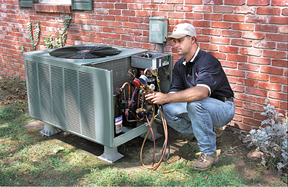
Check the system’s refrigerant charge. If the system is undercharged, add refrigerant; if overcharged, remove refrigerant.

Refrigerant Charge

Check system refrigerant charge. Before checking the charge:

1. The indoor conditions must be within 2 degrees F of the desired comfort conditions.

2. Ensure adequate indoor airflow before checking charge.

3. Run the system until the operating conditions stabilize (about 5 minutes).

If the system is undercharged, add refrigerant. If overcharged, remove refrigerant.

Other Considerations

The technician should also flush the condensate drain and observe any changes to the user's lifestyle that may impact system performance (these might include a room that is no longer used where the homeowner has closed the diffuser).

Finally, a record should be kept of all maintenance and repairs made to the system. It is always helpful to have a history of the system, especially when a customer has a question.

Reprinted with permission from the Split System Residential Air Conditioners service manual from Rheem Air Conditioning Division, Fort Smith, Ark. For more information, visit www.rheemac.com.

Publication date: 09/06/2004

Share This Story

Looking for a reprint of this article?
From high-res PDFs to custom plaques, order your copy today!


Recommended Content

JOIN TODAY
To unlock your recommendations.

Already have an account? Sign In

  • HVAC-enrollment

    The Trades Are Back: HVACR Programs See Nearly 30% Enrollment Spike

    A new wave of future technicians is entering the pipeline.  
    Training and Education
    By: Matt Jachman
  • 2025 Top 40 Under 40

    2025 Top 40 Under 40 HVACR Professionals List

    The 11th annual Top 40 Under 40 list highlights those...
    HVAC Light Commercial Market
    By: Hannah Belloli-Oster
  • LG Ductless Mini-Split Systems

    The 9 Types of Heat Pumps

    As the U.S. moves toward electrification, heat pumps are...
    HVAC Residential Market
    By: Joanna R. Turpin
Subscription Center
  • Create an Account
  • Start a Subscription
  • Manage My Account
  • Sign Up for Newsletters
  • Visit Customer Service
  • Update Preferences

More Videos

Sponsored Content

Sponsored Content is a special paid section where industry companies provide high quality, objective, non-commercial content around topics of interest to The News audience. All Sponsored Content is supplied by the advertising company and any opinions expressed in this article are those of the author and not necessarily reflect the views of The News or its parent company, BNP Media. Interested in participating in our Sponsored Content section? Contact your local rep!

close
  • Piggy Bank
    Sponsored byWatercress Financial

    Energy Prices, Inflation, and HVAC: What Today’s Homeowners Care About

  • Refrigerated Food
    Sponsored bySolstice Advanced Materials

    R-455A Refrigeration: A Cold Storage Solution for the Future

  • Airex Rooftop Units
    Sponsored byAirex Manufacturing Inc

    Consolidating Roof Penetrations: A Growing Trend in Multifamily HVAC Design

Popular Stories

HVAC-Price-Increase-graphic

HVAC Price Increase List: June 2026

Trump-Section-232.jpg

Trump Reduces Section 232 Tariffs on HVAC Equipment to 15%

R410A-Refrigerant-Cylinder.jpg

Refrigerant Recovery is a Revenue Opportunity

Heat-pump-cutaway.jpg

PFAS Rules and A2L Building Codes Continue to Evolve

Kroger.jpg

Kroger to Spend $100 Million to Reduce Refrigerant Leaks

View The ACHR NEWS
Centennial Anniversary Timeline

The ACHR News Timeline Chart
Submit a Letter
Submit a letter to our editors.

Events

November 6, 2025

Next-Gen Data Center Cooling: HVAC Innovation and Real-World Solutions

On Demand As AI workloads and high-density computing push traditional cooling methods to their limits, the data center industry is accelerating the adoption of next-generation HVAC technologies.

June 9, 2026

Before You Go All In on AI: Set Up Your Business to Actually Win

In this webinar, we'll walk you through exactly what to get in place before you add AI to your business. You'll leave with a clear picture of where you stand today and a practical action plan to set yourself up for real results.

View All Submit An Event

Poll

Summer Staff

Are you fully staffed for the summer season?
View Results Poll Archive

Products

BNI Mechanical/Electrical Square Foot Costbook, 2026 Edition

BNI Mechanical/Electrical Square Foot Costbook, 2026 Edition

See More Products
A2L Refrigerants - Free Webinar - May 21, 2026

Related Articles

  • Lennox Commercial: Split System Air Conditioners And Heat Pumps

    See More
  • Tech Basics: The Components Of A Residential Split System

    See More
  • July 11, 2013: Maintenance of Residential HVAC Systems Standard Out for Review

    See More

Related Products

See More Products
  • Installing Residential Forced Air Furnaces

  • Manual J 8 Full.jpg

    Manual J Residential Load Calculation (8th Edition - Full) [ANSI/ACCA 2 Manual J - 2016]

  • srepm.png

    System Recovery & Evacuation

See More Products

Related Directories

  • Payne Heating & Cooling Systems

    Payne offers residential HVAC products available over the counter at Totaline Sales Centers nationwide. Products include split system air conditioners and heat pumps, gas furnaces, evaporator and fan coils, ductless split systems, and packaged products.
  • Bryant Heating & Cooling Systems

    Bryant offers residential and light commercial HVAC products, including communication controls, split system air conditioners and heat pumps, gas and oil furnaces, geothermal systems, IAQ accessories, small-packaged products and 2-25-ton rooftop units.
  • Trane, Residential

    Trane Residential seeks to create and sustain comfortable home environments. It optimizes indoor environments with a portfolio of energy efficient heating and air conditioning systems.
×

Sign Up. Stay Informed.

The #1 trusted source for the HVACR industry since 1926

SUBSCRIBE
  • RESOURCES
    • Advertise
    • Contact Us
    • Advisory Board
    • Classifieds
    • Submit a Letter
    • Directories
    • Store
  • ACCOUNT CENTER
    • Create an Account
    • Start a Subscription
    • Manage My Account
    • Sign Up for Newsletters
    • Visit Customer Service
    • Update Preferences
  • SERVICES
    • Marketing Services
    • Reprints
    • Market Research
    • List Rental
    • Survey/Respondent Access
  • STAY CONNECTED
    • LinkedIn
    • Facebook
    • Instagram
    • YouTube
    • X (Twitter)
  • PRIVACY
    • PRIVACY POLICY
    • TERMS & CONDITIONS
    • DO NOT SELL MY PERSONAL INFORMATION
    • PRIVACY REQUEST
    • ACCESSIBILITY

Copyright ©2026. All Rights Reserved BNP Media, Inc. and BNP Media II, LLC.

Design, CMS, Hosting & Web Development :: ePublishing