 RSS
RSS
Educational Facilities HVAC

Temporary HVAC System Design: A Niche Business
From schools to sports teams, organizations are identifying a range of uses custom-ized to their circumstances.
Read More


Dehumidification In A Campus Setting
Glean the wisdom in an assortment of key process and specification considerations by looking at design through the lens of one university’s Special Collections & Archives project.
Read More

The Radiant Roads To School Design
Leaning on experience and data from various K-12 cities and projects, the authors pursue some less conventional design approaches. They may revolve around radiant heating and/or cooling, but depending on school size and other factors, the smart use of heat recovery, DOAS, and improved central plants could also put a project on the HVAC honor roll.
Read More

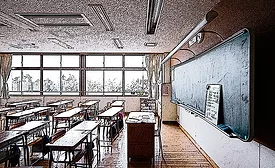
Classroom Ventilation: Meeting Today's Challenges
Budgets, codes, and technologies are constantly shifting and evolving. These days, even the classrooms are often portable. Staying one step ahead will depend on your knowledge of current design options and how to integrate them into the space.
Read More


Classroom Bacteria
The textbook on bacterial transmission includes a surprising chapter or two.
Read More