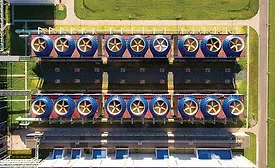
When the time comes to replace a cooling tower, all too often the recommendation is to source an identical replacement; however, cooling tower technology is evolving, and some building owners are reaping the rewards by researching the benefits of the newest options.
Pharmaceutical manufacturing facilities are energy intensive, and the HVAC system — the chilled water plant, the steam and hot water plant, and air distribution — typically consumes a full 65 percent of the energy used, according to research by Lawrence Berkeley National Laboratory.
Life is filled with unintended consequences and sometimes so are boiler rooms. When you’re tasked with designing and/or installing a replacement boiler for a customer, you’re certainly performing your due diligence, but there may still be problems that you do not anticipate.
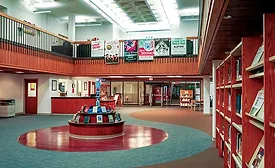
A Missouri college called late last fall with a problem. Its heating system, a central campus heating water boiler plant with two pumped loops and three distribution branches, had developed a leak in the loop to the library building across the quad.
This month’s Facility File will focus on the B2B June test for the renovation of an office building located on a major corporation’s U.S. headquarters campus. The existing HVAC system to be replaced is an antiquated hot water heating system serving baseboard radiation, unit heaters, and a rooftop HVAC unit.
When Major League Soccer club the Real Salt Lake Monarchs embarked on building the largest pre-engineered, free-span facility in North America, a critical concern was efficiently heating the space during the cold Utah winter months.
Mount Royal University (MRU) in Calgary, Alberta, Canada, has a full-time student population of more than 10,000. Founded in 1910, the university moved to its current 118-acre suburban campus in 1970.