Hydrogen Fuel Cell Solutions for Hospital Energy Needs
Clean, resilient, and future-ready power for healthcare environments

RESILIENCE: Jeff Aleksic draws on his experience in engineered solutions to highlight hydrogen’s transformative role in hospital power resilience.
Hospitals depend on uninterrupted power. From life-support systems and surgical suites to refrigeration for medications and vaccines, any lapse in energy delivery can pose immediate risks to patient care and safety. Diesel generators have long been a reliable solution for emergency power; yet, increasing sustainability mandates and shifting grid dynamics are prompting facility leaders to explore alternative technologies to augment their diesel systems. Among the most promising solutions is the use of hydrogen fuel cell power.
Hydrogen fuel cell systems offer a compelling mix of reliability, environmental responsibility, and long-term resilience. With zero emissions at the point of use, modular scalability, and high performance, they provide healthcare environments with an energy solution that is not only dependable but also aligned with future-forward sustainability goals. As facilities prepare for evolving power demands and more frequent grid disturbances, hydrogen emerges as a clean and reliable option.
Why Hydrogen? Cleaner Power Without Compromising Reliability
Hydrogen generates electricity through either combustion or fuel cells. The latter option, particularly Proton Exchange Membrane (PEM) fuel cells, offers several advantages for hospital applications. PEM fuel cells operate with high electrical efficiency, typically between 45 and 65 percent. They respond rapidly to variable loads, start up within seconds, and operate quietly – a crucial consideration in medical environments.
The compact nature of PEM systems enables easier site integration, even in limited spaces. Because they do not emit pollutants during operation, they support hospitals’ environmental and regulatory commitments, helping reduce on-site emissions and improve indoor and outdoor air quality.
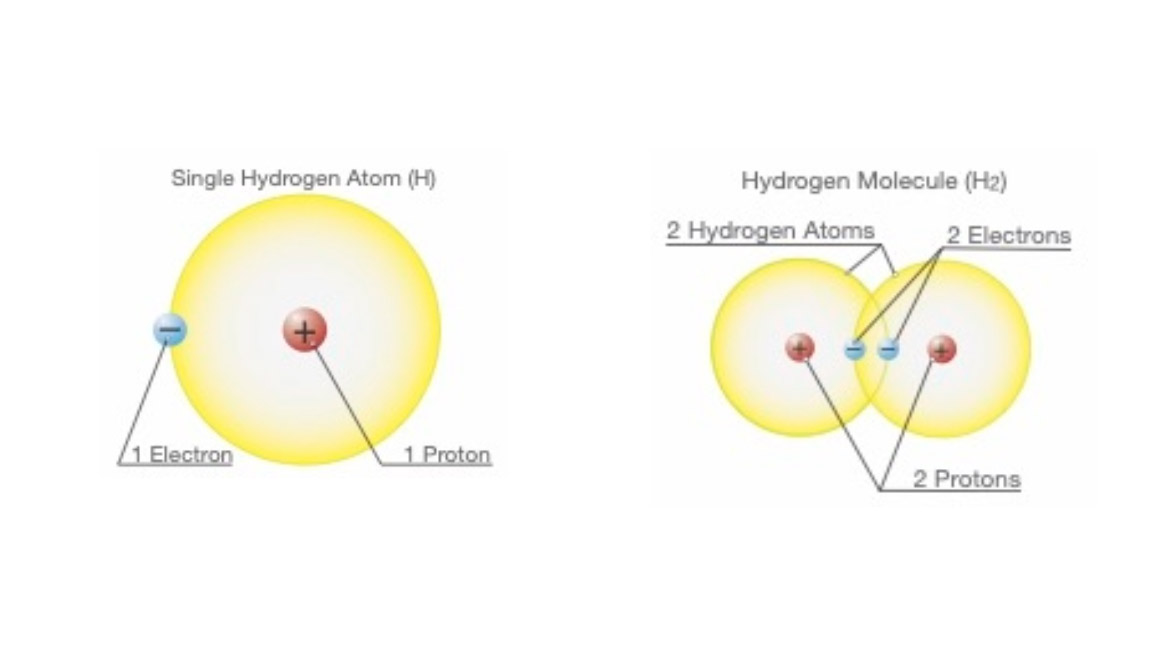
FUEL: Hydrogen fuel cells offer hospitals backup power that’s clean, quiet, and highly responsive to changing energy demands. (Courtesy of Rehlko)
Hydrogen Production Methods and the Role of Green Hydrogen
The environmental impact of hydrogen use depends on how the hydrogen is produced. As an energy carrier, hydrogen must be generated from another source. Green hydrogen, produced through electrolysis using renewable electricity, represents the most sustainable pathway. This method splits water into hydrogen and oxygen, yielding hydrogen that is virtually free of carbon emissions.
Other production methods include steam methane reforming, which currently dominates global hydrogen production but emits carbon dioxide unless paired with carbon capture technology. Additional experimental methods, such as biological or solar water-splitting processes, may offer viable future options but are not yet commercially scalable.
For hospitals seeking to align their energy strategies with decarbonization goals, sourcing certified green hydrogen is crucial. Working with partners who can guarantee purity, consistency, and environmental integrity in hydrogen supply will be an important part of any procurement strategy.
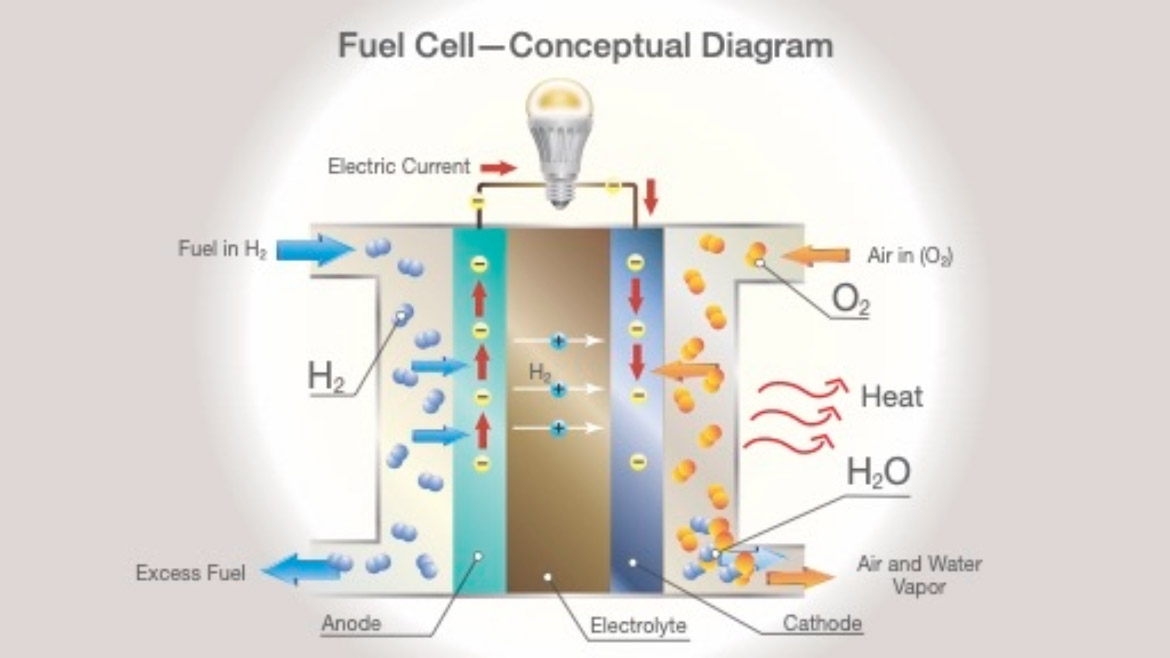
GREEN: Green hydrogen, produced using renewable electricity, is the most sustainable option for hospitals aiming to cut carbon emissions. (Courtesy of Rehlko)
Fuel Cells in Healthcare: A Platform for Energy Strategy
Hydrogen fuel cell systems are well-suited to mission-critical healthcare environments. They provide reliable backup power, can be integrated into diesel-powered, grid-following systems, and support demand response and peak shaving strategies. In some cases, hospitals are exploring how these systems could serve as anchors for distributed energy networks that include solar, battery storage, and microgrid capabilities.
Fuel cells are typically housed in compact enclosures designed for durability and ease of access. Advanced systems provide integrated control architectures, intuitive user interfaces, and built-in safety mechanisms, including emergency stop switches and remote monitoring capabilities. Systems are engineered for long life spans, often exceeding 20,000 hours of operation with minimal maintenance requirements. For hospital facility teams, this means fewer service disruptions and a more predictable maintenance budget over time.
A key consideration in the successful deployment of fuel cells is working with a partner that can take responsibility for the entire system – from the electrical architecture and cooling components to the fuel inlet and exhaust systems. This one-source approach simplifies project planning and ensures that all components function together as a unified, optimized solution.
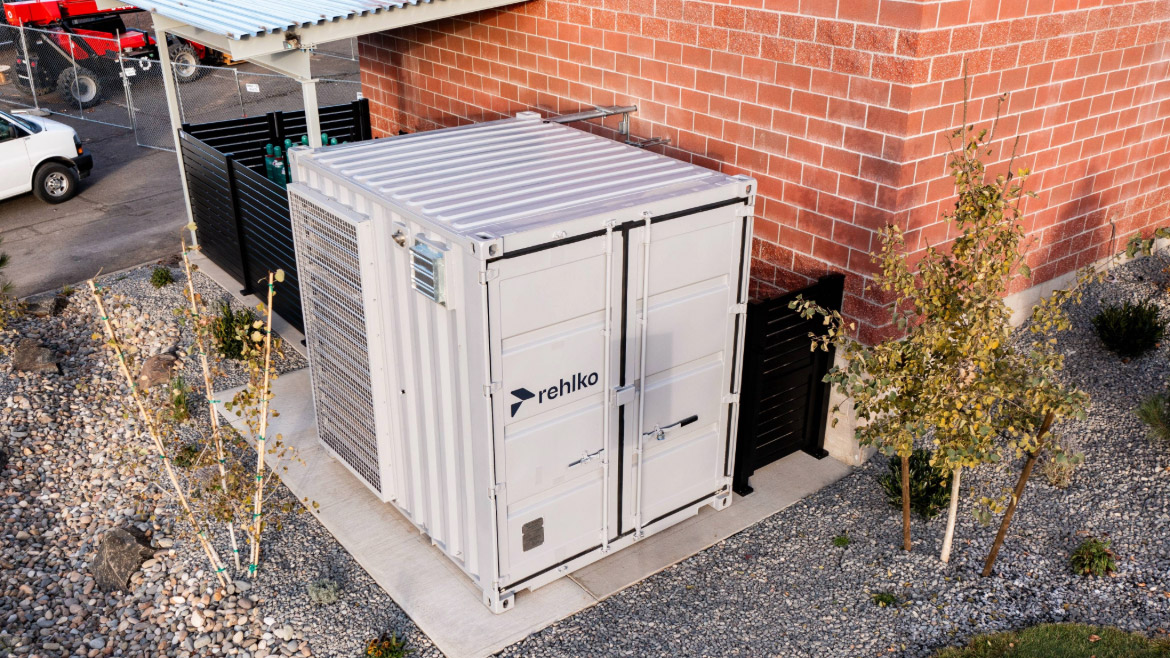
SYSTEMS: Fuel cell systems can be scaled from 100 kilowatts to one megawatt, adapting as hospital power needs grow. (Courtesy of Rehlko)
Beyond Backup: Scalability and Broader Applications
While hydrogen systems are often deployed as backup power sources, their value extends well beyond emergency use. Fuel cells can participate in net metering programs, contribute to demand response strategies, and help hospitals offset peak electricity charges. In forward-looking facilities, hydrogen systems are becoming part of larger energy ecosystems that support grid stability and contribute to community resilience.
These technologies are also scalable. Fuel cell systems can be deployed at 100-kilowatt capacity and expanded to 500 kilowatts or even one megawatt as needs evolve. The same modular systems that serve hospitals can also be configured for other mission-critical applications, such as water treatment plants, airports, maritime facilities, and electric vehicle infrastructure. With production-ready models being developed for markets around the world, hydrogen offers both the standardization and flexibility that large-scale institutions require.
Preparing for Implementation: What Hospitals Should Know
Hospitals considering hydrogen fuel cell systems should start by gaining a clear understanding of the certification and compliance requirements. Ensuring that systems meet standards such as NFPA 110 for emergency and standby power is essential for regulatory approval and safe operation. Sourcing green hydrogen from reputable suppliers is equally important for aligning with sustainability goals.
Selecting a technology partner that provides comprehensive system integration, installation support, and long-term maintenance planning will significantly alleviate the burden on internal teams. Finally, hospitals should think beyond the immediate use case. Whether supporting emergency power, enhancing diesel systems, reducing peak energy costs, or laying the foundation for future microgrids, hydrogen fuel cells offer a versatile path toward energy resilience.
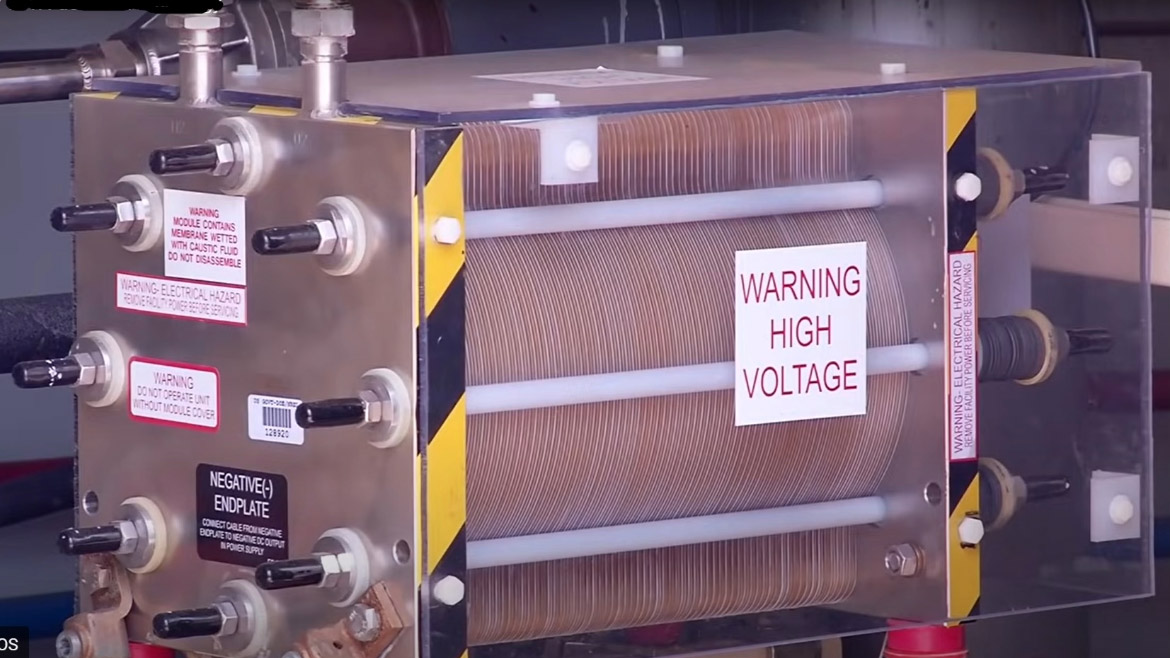
ADAPT: Hospitals adopting hydrogen fuel cells today are laying the groundwork for more resilient, sustainable energy systems in the future. (Courtesy of Rehlko)
Conclusion: A Resilient and Responsible Path Forward
Hydrogen fuel cell technology is revolutionizing how hospitals approach power. It provides an opportunity to augment fossil-fuel generators with a cleaner, adaptable solution. Hospitals adopting this technology today are not just preparing for emergencies; they are investing in a resilient, sustainable future that supports both operational excellence and environmental responsibility.
By embracing hydrogen, hospitals can meet today’s energy challenges while positioning themselves for tomorrow’s opportunities.
Looking for a reprint of this article?
From high-res PDFs to custom plaques, order your copy today!