Proactive Chiller Maintenance for Long-Term Reliability
Proactive care prevents costly failures.
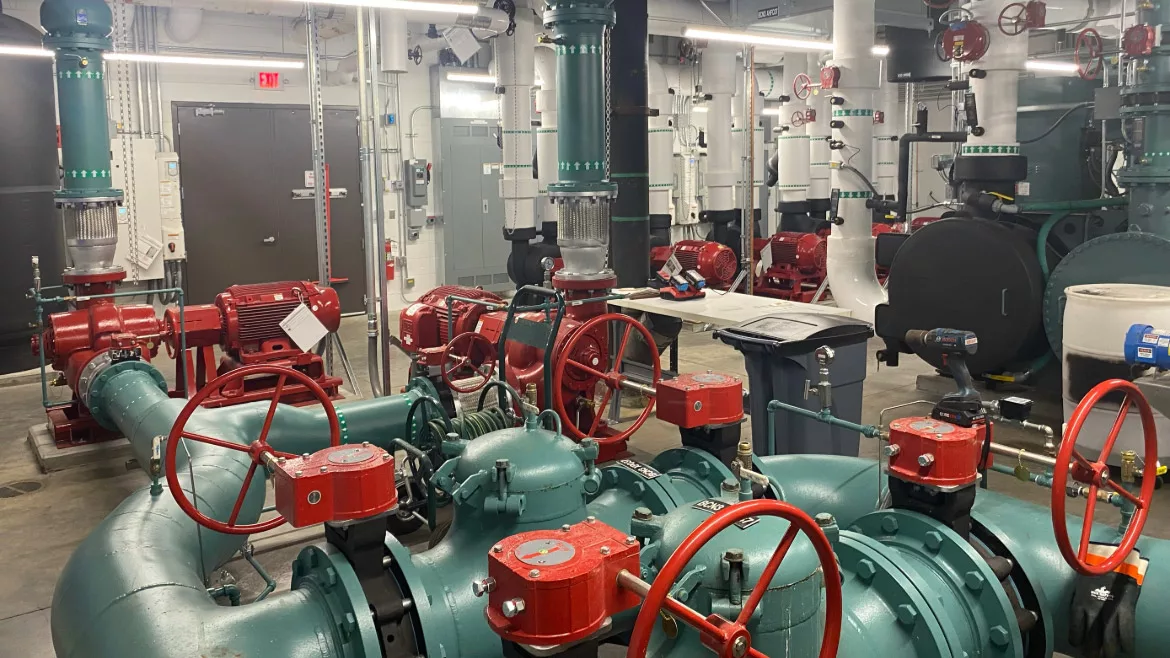
CHILL: A well-maintained chiller plant – where behind-the-scenes diligence keeps buildings comfortable, processes running smoothly, and summers worry-free.
When summer arrives, the last thing a facility manager wants to hear is that a chiller is down. These machines are the workhorses behind comfort, process cooling, and reliable building operations, but they can only perform at their best when they are cared for properly.
Regular maintenance is not just a box to check; it is a proactive investment in system longevity, energy efficiency, and peace of mind.
Some chillers we see in operation today are more than 30 years old. They are still running reliably because their owners stayed diligent with preventive maintenance. We see others fail prematurely because those responsible for their upkeep missed critical steps.
The difference lies in the discipline of scheduling professional inspections, tests, and adjustments according to (and often beyond) manufacturer specifications.
The Value of Preventive Maintenance
Chillers operate under demanding conditions with high pressures, constant vibration, and a reliance on precise refrigerant and oil balances. Small issues such as an unnoticed leak, rising vibration, or tube erosion can quietly build until they snowball into major failures. By then, the repair is costly, downtime is unavoidable, and the ripple effect across building operations is significant.
Preventive maintenance catches those hidden issues before they surface. Tools like vibration analysis and oil sampling can “see inside” a machine in ways the human eye or ear cannot. These predictive insights provide a head start on correcting problems, extending equipment life, and minimizing expensive surprises.
Partnering with a qualified service provider is essential. While in-house teams often handle routine checks, specialized maintenance requires advanced tools, training, and laboratory support. Professional service partners bring that expertise, along with accountability to ensure nothing slips through the cracks.
There are many different tests that can make up a maintenance program, but four staples include oil analysis, eddy current testing, vibration analysis, and cooling tower maintenance. Each of these plays a vital role in ensuring system reliability and efficiency.
Oil Analysis
Oil is the lifeblood of a chiller’s compressor. Beyond lubrication, it carries vital information about what is happening inside the machine. Routine oil samples sent to a laboratory can reveal:
- Metal particles from worn bearings or gears
- Moisture indicating leaks or contamination
- Acid buildup signaling refrigerant breakdown
- Viscosity changes that compromise lubrication
By catching these early, technicians can identify wear or contamination long before a mechanical failure occurs. This is an example of when to go above and beyond manufacturer specifications, as they may not always recommend frequent oil changes. In practice, routine oil testing and proactive replacement often extend the life of compressors significantly. It is a modest investment that pays off in longevity and efficiency.
Eddy Current Testing
Deep inside every chiller are tubes that transfer heat between water and refrigerant. Over time, these tubes are vulnerable to corrosion, erosion, pitting, and wall thinning. Left unchecked, they can fail, leading to leaks, efficiency loss, and even catastrophic damage.
Eddy current testing uses electromagnetic induction to detect both surface and subsurface flaws in conductive materials like chiller tubes. This testing pinpoints areas of concern before they escalate, allowing for targeted repairs or tube replacements rather than wholesale system failure.
Because eddy current testing does not damage the tubes, it can be performed regularly without risk. It is one of the most important ways to preserve chiller integrity and prevent unexpected downtime.
Vibration Analysis
Chillers are complex machines with rotating components such as compressors, bearings, and gears that naturally produce vibration. As these parts wear, vibration patterns change in subtle but measurable ways.
Through regular vibration analysis, technicians can spot early signs of wear, imbalance, or misalignment. By acting before failure, facility teams avoid costly breakdowns and extend the service life of these critical components.
What makes vibration analysis powerful is its ability to “hear” what operators cannot. Even when a machine sounds normal, data may reveal growing issues hidden beneath the surface. Incorporating vibration monitoring into routine maintenance schedules is one of the smartest ways to stay ahead of problems.
Cooling Tower Maintenance
Even the best-maintained chiller cannot perform efficiently if its supporting cooling tower is neglected. Cooling towers are responsible for rejecting heat and keeping condenser water temperatures in the right range. If condenser water temperatures climb – sometimes as high as 95°F when towers are poorly maintained – chillers are forced to work harder. This drastically reduces efficiency and stresses the equipment.
Proper cooling tower care includes cleaning, water treatment, fan and fill inspections, and ensuring pumps and controls are operating correctly. While many in-house staff handle tower checks, oversight from a professional ensures they are aligned with the chiller’s needs. A well-maintained tower supports a smooth-running chiller and prevents excessive strain on the system.
Going Beyond Manufacturer Specifications
While manufacturers provide maintenance guidelines, real-world experience often calls for going further. For example, many manufacturers do not recommend oil changes unless tests show clear contamination. But service providers have seen firsthand how proactive oil replacement can extend equipment life.
The same applies across all four staples. Following the bare minimum may meet warranty requirements, but exceeding them ensures long-term performance and reliability.
Another above-and-beyond preventative measure to take is brushing tubes. Even if eddy current testing identifies no structural damage, fouling and scaling can force your machine to work harder. If left unchecked, buildup can push a chiller into surge condition, severely stressing components. Regular mechanical brushing will protect against sudden performance issues and will keep efficiency high.
Think of it as an investment in resilience: doing more today means fewer breakdowns tomorrow.
The Bottom Line
Regular chiller maintenance is an investment that will pay you back through extended equipment life, improved energy efficiency, and reduced emergency repairs. By emphasizing measures like oil analysis, eddy current testing, vibration analysis, and cooling tower maintenance, facility owners can be confident their systems will perform when they are needed most.
Nobody wants the hot season to come around with part of their cooling capacity offline. With a professional service partner monitoring the unseen, testing what cannot be observed directly, and maintaining chillers and their support systems, facilities gain the peace of mind that comes from preparation.
Some of the chillers we work on are still humming along after three decades – proof that consistent, disciplined maintenance keeps these machines plugging away well past their expected lifespan. The lesson is simple: stay proactive, and your chillers will return the favor with decades of reliable service.
Looking for a reprint of this article?
From high-res PDFs to custom plaques, order your copy today!