
The Performance of Today's Heat Pumps
Intelligence Opens Doors for Future Capabilities of Electrification
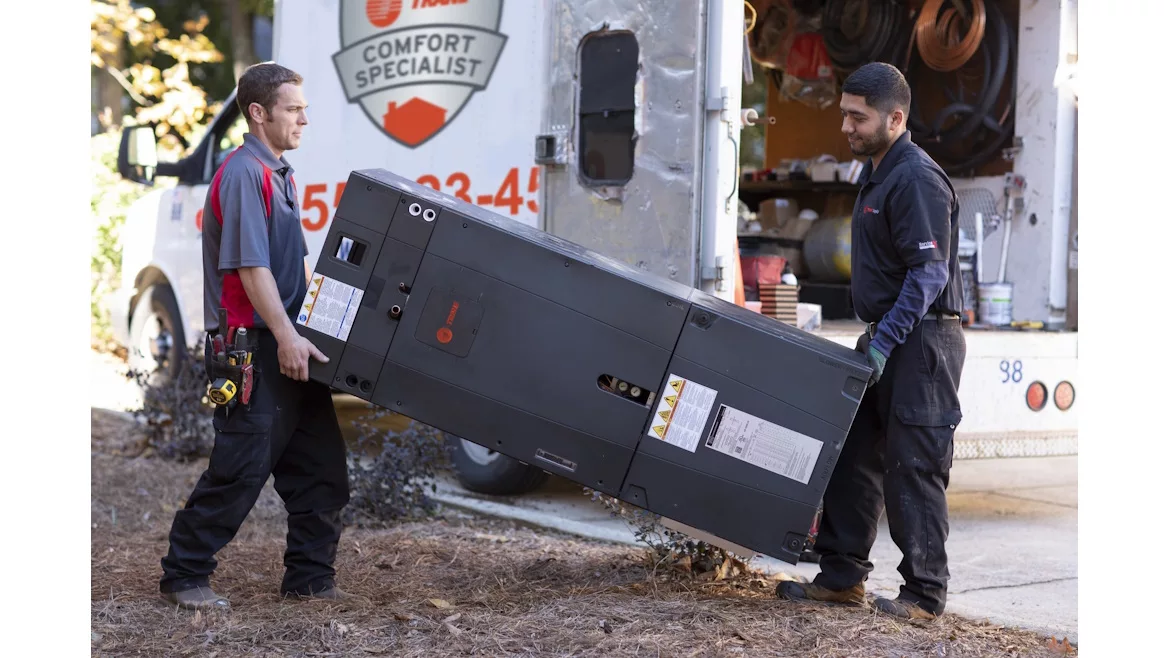
SEISMIC SHIFT: An industry-wide shift in focus has brought advancements in cold climate system technology, leading the way for greater adoption of heat pumps in colder climates. (Courtesy of Trane)
The benefits of heat pumps and electrification are well known for industry professionals, technicians, and dealers, but the information gap lies amongst homeowners. Heat pumps are more energy efficient than many traditional heating and cooling systems, and therefore, upgrading a system to an all-electric heat pump system can potentially save homeowners as much as $526 a year in energy costs, according to the Department of Energy.
As more homeowners across the country want more sustainable home heating options that are still cost-efficient, the innovations in heat pump technology and HVAC system integration with smart technology present the potential for greater widespread adoption of heat pumps and electrification across the U.S. These innovations lie in the recent advancements in capacity, efficiency, comfort, and smart technology compatibilities. These advancements may lead to greater heat pump adoption across the U.S., greater integration within smart homes, and potential reduction of energy consumption and carbon footprint.
Capacity & Efficiency Improvements
In the early days of heat pumps, there were few American households that could opt in for this type of system – looking at it on a map, it was only approximately the southernmost third of the country where heat pumps were prevalent. With the introduction of the inverter-driven, variable speed compressor in North America in the early 2010s, heat pump capacity increased by approximately 50%, and the number of households with heat pumps significantly increased in the U.S. However, if we look at the map again today, many of those households still exist in the southern states with mild climates, leaving nearly half of U.S. households in colder climates unable to efficiently heat their homes with a heat pump.
The industry-wide shift in recent years to focus on advancements in cold climate system technology is helping lay the foundation for greater potential adoption of heat pumps in colder climates across the nation. In 2021, the launch of the Department of Energy’s Cold Climate Heat Pump Challenge was a significant turning point for the industry as manufacturers were tasked with accelerating the development and commercialization of cold climate heat pumps that would allow for more parts of the country to rely on heat pumps for their home comfort needs.
Trane's Cold Climate Heat Pump prototype increased capacity by an additional 50%, which is roughly double the capacity of the original single-stage heat pump. (After surpassing the DOE laboratory tests, the Trane Cold Climate Heat Pump prototype successfully warmed a home in Boise, ID for two winters – it provided 90% of the heat to the home with the heat pump, only utilizing supplemental electric resistance heat 10% of the time, and delivered the homeowner 15-20% average energy bill savings over the span of two summers and two winters. Trane has not released it to market yet as it’s currently under product development.)
As a result of the challenge, the Trane Cold Climate Heat Pump can operate down to negative 20 degrees Fahrenheit or negative 29 degrees Celsius with energy performance improvements at all operating conditions. Although the products that eventually make it to market may not meet the precise specifications of the DOE Cold Climate Heat Pump Challenge, their performance will likely be in the ballpark and should satisfy the requirements for many households in these climates. The resulting improvement in heat pump heating capacity indicates that the potential number of households in cold climates able to convert to all-electric systems should expand farther north, increasing the adoption of electrification across the country.
Multi-System Integration
Advances in smart technology integration allow for all the HVAC system components (outdoor unit, indoor air handler/furnace, and thermostat) to communicate with each other. This seamless communication of the components allows for more efficient operation with superior home comfort, and supporting greater integration with other smart home technology systems.
For instance, imagine if a heat pump could communicate with other energy-consuming devices in your home, like a laundry machine or a dishwasher, and prioritize run times to reduce or even optimize energy consumption? Many current HVAC systems are already equipped with the technology to do this, like Trane® Link™ technology, and can connect to Home Energy Management Systems (HEMS) and smart home technology panels.
Additionally, Trane’s smart Link™-enabled systems have utility connectivity, which allows for demand response to change electricity consumption levels based on the overall demand and supply of the power grid. Ultimately, this could result in reduced energy consumption, while still providing a certain level of comfort for homeowners.
These are important innovations to improve the energy efficiency of HVAC systems – one of the biggest contributors to residential energy consumption – in residential homes and buildings. Today's system integration features are converting future sustainability goals into present-day reality for many homeowners.
The Future of Electrification
The HVAC industry continues to play a crucial role in upgrading Americans’ homes to be more energy efficient while still meeting consumer expectations of home comfort levels and cost savings. Heat pumps and electrification are key in achieving these goals, and with continued advancements in cold climate heat pumps, the customer base can expand to colder climates in the northern portion of the country.
As we anticipate changes across the industry, there’s no question that heat pumps and electrification are helping lay the foundation for a sustainable future.
Looking for a reprint of this article?
From high-res PDFs to custom plaques, order your copy today!


