search
Ask ACHR NEWS AI
cart
facebook twitter instagram linkedin youtube
  • Sign In
  • Subscribe
  • Sign Out
  • My Account
  • NEWS
  • TECHNOLOGY
    • Heating & Boilers
    • Cooling & Chillers
    • Pumps & Flow Controls
  • SECTORS
    • Commercial
    • Health Care
    • Data Center
    • Educational Facilities
  • DESIGN | CONSTRUCTION
  • OTHER TOPICS
    • High-Performance Buildings & Automation
    • Ventilation and IAQ
    • Commissioning
    • HVAC Retrofits
  • TODAY’S BOILER
    • Today’s Boiler Archives
    • Today’s Boiler Digital Edition
  • MORE
    • Case Studies
    • Podcasts
    • Videos
    • Directory
    • Webinars
    • ES NEWS Store
    • White Papers
  • SIGN UP
  • Back to The NEWS
Engineered Systems NEWSHVAC Design/Construction ProcessHigh-Performance Buildings & Automation

Southeast Storms Show Power Grid Infrastructure Development is Lacking

Gas powered vehicles were a vital resource during severe weather in the Southeast, but what happens after the EV transition?
By Dan Reider
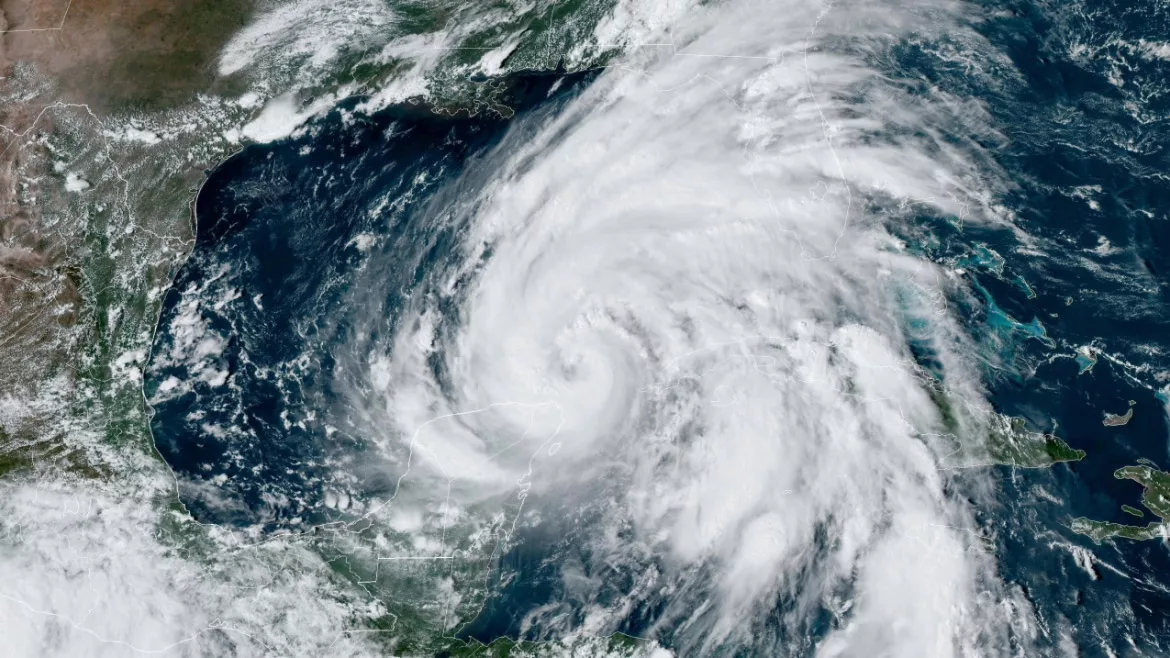
Hurricane Helene

(Courtesy of NOAA)

December 3, 2024

The recent hurricanes in the Southeast have only increased mine and others growing concerns over the reliability of the power infrastructure in the United States. In speaking with former utility company employees and hearing from engineers on an engineering website, the primary cause of power outages are the high winds accompanying a strong storm or hurricane.

These winds cause trees to fall on power lines or flying debris to damage or bring down power lines. Another cause of failure are power lines which are blown into contact with adjacent power lines due to the lack of adequate power line spacers. To minimize some of these occurrences, trees in close proximity to power lines would have to be regularly trimmed back, spacers would have to be installed at regular intervals on high power transmission lines, and more lines would have to be installed below grade.

All these items have a significant and sometimes a reoccurring cost impact that the utility companies, or more accurately the customers of the utility companies, are not willing to absorb. One would have thought that our present power infrastructure could handle gusts of 60, 70 or even 80 MPH as occurred recently in the Southeast, but apparently that is beyond what the power lines are designed to handle.

Unless there are significant changes to the power infrastructure, we can expect the same results as we recently experienced whenever there is a similar weather event. So how does this scenario fit with the increasing electrification of the United States?

The United States is beginning to follow other countries around the world to decrease our dependency on oil and gas. With oil and gas supplies expected to last only another 50 years based upon current consumption rates and all known reserves, electrification is not an option but a guaranteed path forward. Many argue that we just have not discovered all the possible reserves of gas and oil but according to the vast majority of experts in this field, that is just wishful thinking.

As the recent storm passed through the Southeast, those who needed to get out for various reasons had to drive 30 or 40 miles to get groceries, gas for generators, go to a friend’s home to take a shower, or just to go out to eat a hot meal. We had numerous neighbors running their vehicles in order to charge their phones. With electrification, more and more of our lives eventually will depend upon a reliable electric utility. How is the electric infrastructure going to change so that are lives are not even more adversely impacted when faced with similar events in the future?

What can be done to improve the reliability of our electric grid? It seems that more and more people’s lives are impacted each time we have a major storm. At least we have some means of still getting around in our gasoline powered vehicles when power is lost. These vehicles, at some point, will start to disappear and then what options do we have when stranded at home with no power for an extended period of time? Even getting out to get food will be a dauting task. And is there anyone out there even looking at how to make our power grid more reliable? Doesn’t look like much has been done to improve the infrastructure in the past 25 years and, unfortunately, don’t expect much to change in the next 25 years.

KEYWORDS: Electrification generators

Share This Story

Looking for a reprint of this article?
From high-res PDFs to custom plaques, order your copy today!


Reider

Dan E. Reider, P.E., is a project manager with the University of South Carolina. He has designed a wide variety of projects ranging from major hospital and correctional facilities to high-rise office buildings, performing art centers, and educational facilities. He earned his mechanical engineering degree from the University of South Carolina. Contact him at dreider@mailbox.sc.edu

Recommended Content

JOIN TODAY
To unlock your recommendations.

Already have an account? Sign In

  • HVAC-enrollment

    The Trades Are Back: HVACR Programs See Nearly 30% Enrollment Spike

    A new wave of future technicians is entering the pipeline.  
    News
    By: Matt Jachman
  • 2025 Top 40 Under 40

    2025 Top 40 Under 40 HVACR Professionals List

    The 11th annual Top 40 Under 40 list highlights those...
    HVAC Light Commercial Market
    By: Hannah Belloli-Oster
  • LG Ductless Mini-Split Systems

    The 9 Types of Heat Pumps

    As the U.S. moves toward electrification, heat pumps are...
    HVAC Residential Market
    By: Joanna R. Turpin

More Videos

Today's Boiler

Spring 2026 Issue

Today's Boiler - Spring 2026 Cover

Read More from Today's Boiler

Case in Point Logo

Smarter Hydronic Design for Data Centers - Free Webinar - January 22, 2026

Related Articles

  • Nov. 11, 2010: U.S. Power Grid Expected to Incorporate Diverse Energy Sources, Show Slow Demand Growth

    See More
  • Nov. 16, 2004: Proposed New Power Grid Architecture Is Unveiled

    See More
  • Energy Grid

    Future Market Insight's latest research report on power grid market

    See More

Related Products

See More Products
  • The ACHR News - December 1, 2025

    ACHR NEWS December 1, 2025, Issue

  • new cover.jpg

    Profit is An Attitude: The Strategies You Need to Optimize Profits

  • The ACHR News - November 03, 2025

    ACHR NEWS November 3, 2025, Issue

See More Products

Related Directories

  • Copper Development Assn.-CDA

    Copper Development Association Inc. (CDA) is a U.S.-based, not-for-profit association of the global copper industry, committed to promoting the proper use of copper materials in sustainable, efficient applications.
×

Sign Up. Stay Informed.

The #1 trusted source for the HVACR industry since 1926

SUBSCRIBE
  • RESOURCES
    • Advertise
    • Contact Us
    • Advisory Board
    • Classifieds
    • Submit a Letter
    • Directories
    • Store
  • ACCOUNT CENTER
    • Create an Account
    • Start a Subscription
    • Manage My Account
    • Sign Up for Newsletters
    • Visit Customer Service
    • Update Preferences
  • SERVICES
    • Marketing Services
    • Reprints
    • Market Research
    • List Rental
    • Survey/Respondent Access
  • STAY CONNECTED
    • LinkedIn
    • Facebook
    • Instagram
    • YouTube
    • X (Twitter)
  • PRIVACY
    • PRIVACY POLICY
    • TERMS & CONDITIONS
    • DO NOT SELL MY PERSONAL INFORMATION
    • PRIVACY REQUEST
    • ACCESSIBILITY

Copyright ©2026. All Rights Reserved BNP Media, Inc. and BNP Media II, LLC.

Design, CMS, Hosting & Web Development :: ePublishing