Decarbonization of Hospitals Through Automated Commissioning
Hospital carbon footprint reduction intersects significantly with advancements in automated commissioning and AI
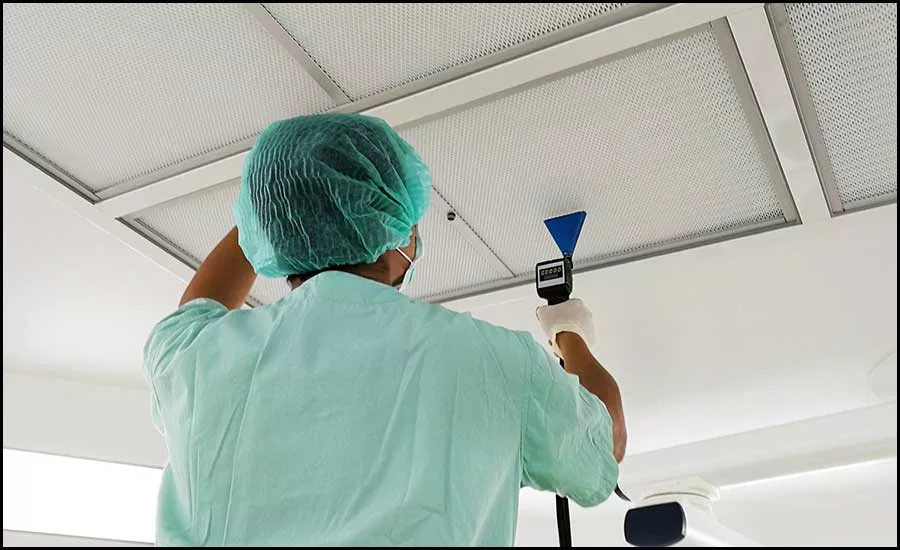
[Sucharas wongpeth]/[iStock / Getty Images Plus] via Getty Images
Buildings account for nearly 33% of global greenhouse gas emissions in the United States. While healthcare buildings account for 4% of total commercial floor space, these buildings account for approximately 9% of energy consumption in commercial buildings[i]. Healthcare facilities, with their around-the-clock operations and stringent environmental control requirements, pose a significant challenge. Achieving substantial carbon reductions in these settings requires innovative approaches to managing energy consumption and system performance.
Decarbonization reduces carbon dioxide emissions through energy efficiency measures and utilization of renewable energy sources. Decarbonization of hospitals, or any building, is only possible by reducing total energy consumption. While equipment efficiencies are in the hands of the manufacturers, the actual use and control of the systems are dictated by the facility. As countless retro-commissioning projects geared to fine-tune building systems to ensure optimal performance have shown, much of the energy used in hospitals is wasted due to improper sequences of operation. These inefficiencies include simultaneous heating and cooling and air conditioning spaces, even when unoccupied at night. Some hospital engineers estimate that up to 70% of energy consumed by various systems is wasted.
Reducing carbon footprints in hospital operations intersects significantly with advancements in automated commissioning and artificial intelligence (AI). This synergy is particularly impactful in healthcare environments, where the demand for energy-efficient, high-performance environments is acute. Automated commissioning and its ever-growing AI characteristics can significantly contribute to the decarbonization of hospitals by optimizing energy use, enhancing system performance, and supporting sustainable building management.
Automated commissioning leverages real-time data and advanced analytics to continuously optimize the performance of hospital systems. Unlike traditional commissioning, which often involves manual checks and periodic adjustments, automated commissioning provides ongoing, dynamic oversight and adjustment of systems such as heating, ventilation, air conditioning, lighting, and plumbing. This continuous monitoring and real-time adjustment are pivotal in enhancing energy efficiency and reducing carbon emissions. Automated commissioning integrates various hospital systems into a unified platform, allowing for seamless communication and coordinated control. This interconnected approach ensures that all systems operate at peak efficiency, minimizing energy waste. Sensors and Internet of Things (IoT) devices collect data on system performance, which is analyzed in real-time to identify inefficiencies and enable prompt corrective actions. Advanced algorithms and AI analyze performance data, predict maintenance needs, and make real-time adjustments. This proactive management reduces energy consumption and enhances system reliability.
Automated commissioning significantly impacts energy consumption and emissions in several ways. By continuously monitoring and adjusting system performance, automated commissioning ensures that energy use is minimized without compromising comfort or operational requirements. This leads to substantial reductions in energy consumption, translating directly to lower carbon emissions. Advanced analytics and AI can predict equipment failures and maintenance needs, allowing for timely interventions. This not only prevents energy waste due to malfunctioning equipment but also extends the lifespan of systems, reducing the need for energy-intensive replacements. Automated commissioning enables precise control over hospital systems, ensuring they operate within optimal parameters. This precision reduces the energy required for heating, cooling, lighting, and other essential functions, further decreasing carbon footprints.
Hospitals have successfully implemented automated commissioning, demonstrating its potential for decarbonization. The continuous optimization of equipment schedules, proactive maintenance, and remote reporting capabilities are key factors in achieving these savings, contributing to organizational sustainability goals. Effective communication protocols and standards are crucial for the success of automated commissioning. The adoption of protocols like BACnet/SC (Secure Connect), developed by the American Society of Heating, Refrigerating and Air-Conditioning Engineers (ASHRAE), ensures secure, reliable communication between hospital systems and automation platforms. This standard not only enhances interoperability but also addresses cybersecurity concerns, making it a vital component of modern automated commissioning systems.
Automated commissioning is a powerful tool for overcoming the challenges associated with the decarbonization of energy-intensive hospitals. It provides continuous, data-driven optimization of hospital systems that significantly reduce energy consumption and carbon emissions. By integrating advanced technologies and adhering to robust standards, automated commissioning can help hospitals achieve their sustainability goals while maintaining high standards of care and operational efficiency. For stakeholders in hospital management and healthcare facility design, embracing automated commissioning is not just a strategic advantage but a necessary step toward a sustainable future. By harnessing the power of automation, we can create hospitals that are not only smarter and more efficient but also significantly kinder to our planet.
Article provided by the CxEnergy 2024 Fall Technology Showcase. Save the Date for CxEnergy 2025 Conference & Expo on April 28-May 1 in Charlotte, NC.
1 https://www.eia.gov/consumption/commercial/pba/health-care.php
Looking for a reprint of this article?
From high-res PDFs to custom plaques, order your copy today!