The simplicity of mission critical facilities
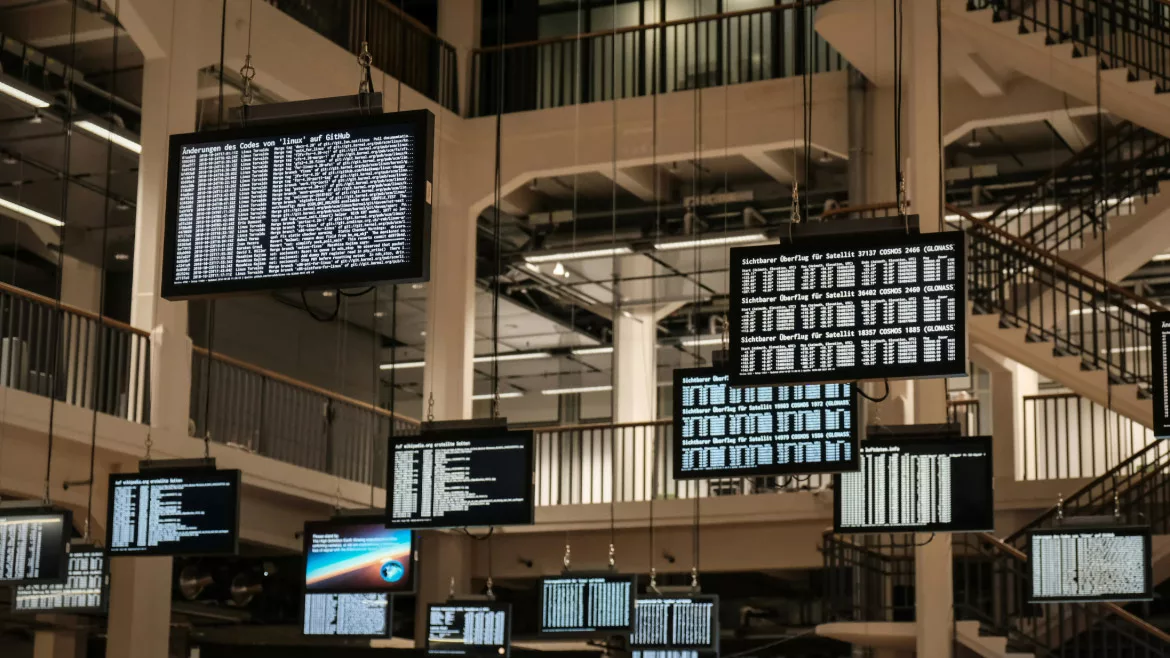
Photo by Leif Christoph Gottwald on Unsplash
Building owners, facility managers, and HVAC design engineers convince themselves that pharmaceutical and mission critical installations are very sophisticated and more complex than many health care applications and certainly more challenging to engineer, operate, and maintain than commercial buildings. But, that’s not the case.
Beginning with HVAC system options, a hospital basis of design will have the most diversity to choose from when engineering multiple space applications, e.g., lobby, patient rooms, intensive care unit, operating rooms, etc. Educational facilities can be a closes second with administration, classrooms, gymnasiums, kitchens, and cafeteria.
Several years back, I discussed the simplicity of HVAC design engineering for pharmaceutical facilities. The simplicity is that the HVAC solution comes down to lots of constant supply air, space pressure, and plenty of air filtration. A similar statement can be made about HVAC design engineering for mission critical facilities. Both applications, for the most part, run 24-7-365 operation — no optimum start and stop, morning warmup, etc. Why is that?
To begin a mission critical project, the design engineer will need to know the internal heat gains from lights and other equipment. Exterior heat gains, such as solar loads (windows, walls, and roof) probably don’t apply to the mission critical space because these areas will most likely be located away from exterior walls and windows. The goal is to create a steady state that can be relatively easy to manage for space temperature and humidity control. Enhancements, such as variable volume supply airflow probably won’t be considered. Instead, engineers will design for constant airflow, a fixed amount of outdoor ventilation, and positive air pressure for the space served.
The air conditioning load can be significant — a data center cooling budget could be around 50 square feet per ton versus an office space, where it’s 400 square feet per ton.
Ventilation requirements are also relatively easy to manage because there are usually a limited number of occupants within these rooms, and positive space pressure is important but with little to no room mechanical exhaust requirement. Space temperature and humidity control does not need to be complex.
Many mission critical facilities will have raised floors with underfloor air distribution (UFAD), simplifying and minimizing supply air duct distribution.
Because these spaces are located within interior areas, there’s usually only a need for cooling and humidity but not space heating unless there are reheat coils within the computer room air conditioner (CRAC) units to contribute to close humidity control in the room.
From a first-cost point of view, standardizing on the size of these CRAC units can help package the equipment purchase by selecting one size multiplied by the number of units required. This also helps with inventorying parts, material, and air filters. Engineering the number of units needed for the project’s application will also require standby CRAC units for emergency backup and/or rotating the online units analogous to lead-lag alternating the run hours of all units. Depending on the space configuration, square versus long and narrow data center, one standby unit can be used whenever another CRAC unit is taken offline based on a computerized maintenance or predictive maintenance work order system. Redundancy to CRAC units is usually decided best by the building owner and operator. Redundancy can be number of units plus 1 standby (N+1) to as many as N+N. Many government installations will require N+N.
With all this noted above, it is still important to contract the services of an experienced mission critical HVAC design engineer and contractor for the application.
Use this handy shortcut to see years of Howard’s opinions and tips in this column and other articles.
Looking for a reprint of this article?
From high-res PDFs to custom plaques, order your copy today!