TODAYS BOILER | NOVEMBER 2023
What’s The Deal With SA-105?
Understanding material selection for tube plug welding.
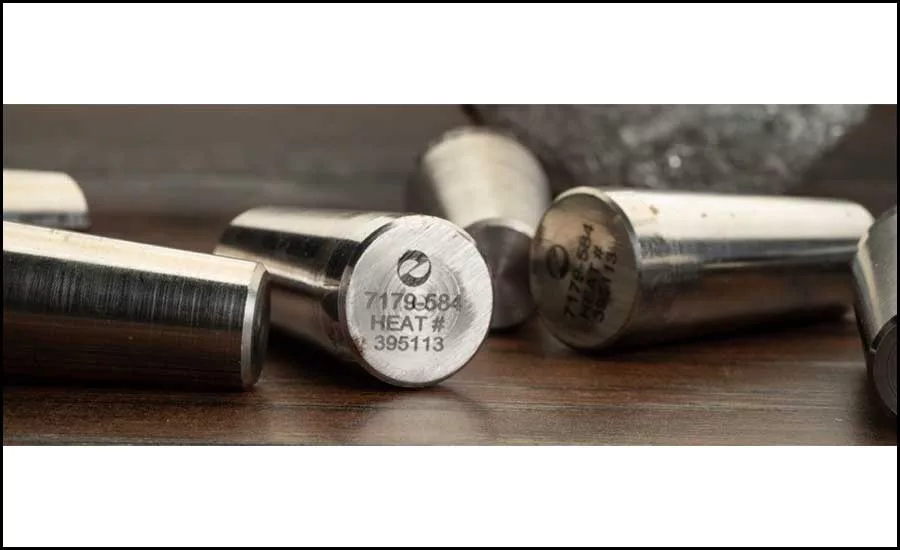
FIGURE 1: SA-105 one-piece plugs. Images courtesy of Elliott Tool Technologies
Welding has become a fairly common practice in pressure vessel fabrication and maintenance. From tube ends to plugs, welding can provide additional strength or sealing coverage if done correctly. When it comes to tube plugging, many customers are asking about plug materials and special requirements to ensure vessel specifications are met. This article will examine the American Society of Mechanical Engineers (ASME) code, material types, nomenclature, and impacts to the welding process.
Selecting the Right Material
When plugging a tube, it’s best to use the same or a compatible material to the tube to prevent corrosion. Using a dissimilar metal will cause the tube and plug to corrode, resulting in a leak and plug failure. In most cases it’s easy to match the tube material to the plug without any special material designations, however, there are a few materials that can have several grades depending on the application.
Nomenclature
Different grades of carbon steel have become more popular, due to specifications set by ASME and other standards for welding.
One method to identify materials is based on the organization that specifies it. The American Society for Testing and Materials (ASTM) and the ASME often work together to produce material specifications for the pressure vessel industry. As a result, their specified materials will often start with ASTM or ASME followed by the material, or an “S” prefix will be added in front of the material number.
The ASTM grading system will also assign a letter prefix to a metal based on the category. For example, “A” typically refers to ferrous materials (contains iron), where “B” refers to nonferrous materials (does not contain iron). Combined with the organization prefix, materials may read ASTM A105 or simply SA-105.
Tubing Material Versus Bar Stock
When matching plugs or tooling to a tube spec, it can be difficult to know which designation to look for. Materials that are specified by ASME or ASTM often refer to the tube material itself. Depending on the grade, the material used to manufacture tubes may not be available in a solid round bar for manufacturing. This means materials may not match on name alone but should be matched based on the chemical composition.
For example, SA-105 specifies a seamless forged carbon steel pipe that can be used in pressure systems at variable temperatures. SA-105 doesn’t have a solid round bar counterpart; instead, it points to a different “A” hot-rolled carbon steel with a chemical composition matching that of SA-105.
Chemical Properties for Welding
While many materials can be used for welding, the preferred type of metal can vary depending on the method and application.
In the case of tube plug welding, SA-105 carbon steel is often specified due to its ability to withstand high temperatures and pressures. Since SA-105 tubing is forged, it is much stronger than regular carbon steel and can withstand higher temperatures without degrading. Additionally, its lower carbon content makes it an easier material to weld compared to other carbon steels.
Plug Installation
Once it’s determined a vessel needs to be plugged, the end user or manufacturer will specify the type of plug that should be used, the material, as well as other process requirements. Depending on the vessel and the amount of tube degradation, welding may be specified.

Welding Requirements
While there are several benefits to welding one-piece plugs, if not done correctly, it could cause damage to the tube sheet or tube sheet holes. As a result, it’s critical that a reputable contractor or on-site welder is used to complete the job to avoid costly repairs.
Welding increases the chance of the plug holding at higher pressures and ensures that the plug has the best seal. Where a traditionally installed one-piece plug can only hold up to 150 psi, welding will allow it to withstand up to 1,000 psi. Additionally, if the tube is more corroded, welding will make sure there is a tight seal and prevent leaks or dislodging.
Prior to welding, many end users require that plugs have appropriate material certification. For SA-105 plugs, heat lot numbers may also be required. This documentation verifies the right type of material is being used and allows for traceability.
Tube Plugging Process
Before installing one-piece plugs, all tubes should be trimmed flush to the tube sheet. Hammering a plug into a projection can cause the tube end to crack and result in a poor seal.
In addition to trimming, it’s a best practice to clean and vent the tubes that will be plugged to get rid of debris and avoid any future build-up of pressure. Depending on the industry, venting may not be allowed, so it’s best to confirm with the manufacturer.
Once the tubes have been prepped, you can start plug installation. The design of the one-piece plug makes them easy to install. The tapered pin is installed by tapping the end of the plug into the tube with a hammer or mallet until metal-to-metal contact is made and then advancing it an additional 1/8 inch. Driving the plug all the way into the tube can cause stress on the joint and has the potential of causing damage to the ligament. If this occurs, it can cause adjacent tubes to leak. Generally, operators say you’ll hear a ringing sound or a ping to let you know that the plug set.
Summary

Overall, welding one-piece plugs is a viable option for many different applications. Whether the tube is corroded, or the user wants extra seal protection, when done correctly, welding can be a great solution. However, it’s important to understand what materials and documentation are required to ensure specifications are met. For example, ASME often specifies that SA-105 carbon steel be used in welding applications due to its strength under pressure and high temperatures. Additionally, material certifications and heat lot numbers are needed for traceability in the event of a failure.
By Erica Dzomba, product marketing specialist, Elliott Tool Technologies
Looking for a reprint of this article?
From high-res PDFs to custom plaques, order your copy today!