TODAYS BOILER | OCTOBER 2023
Sustainable Fuels: Solutions for a Better Future
Whatever the energy source may be, an energy-efficient burner is always a worthwhile consideration.
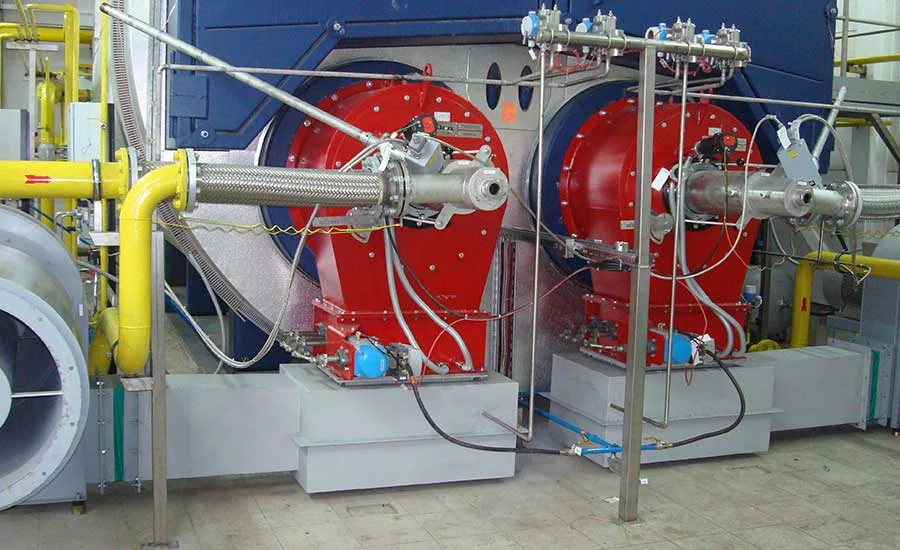
FIGURE 1. Product development stands at the forefront of utilizing renewable energy solutions. Image courtesy of Oilon
Currently, fossil fuels have a tremendously strong position in the energy sector, while the trend for the future is clearly shifting toward sustainable solutions. For many manufacturers, including Oilon, product development stands at the forefront of utilizing renewable energy solutions.
Examples of sustainable fuels include biogases, bio-oils, and pyrolysis oils produced from biomass. As such, there is nothing new about using renewable fuels. At pulp mills, for example, the black liquor produced as a byproduct of the pulping process has been used for decades to produce heat and electricity.
Pyrolysis oil is a liquid substance created through dry distillation of organic material. When made of biomass, it is called either bio-oil or wood oil, depending on the raw material. Typical sources of pyrolysis oil include wood, bark, and straws as well as rice and grain chaff.
Pyrolysis oils are a challenging fuel. They have a high acidity and water content, and their viscosity and other physical properties tend to be unstable. Additionally, many pyrolysis oils have a high content of solids, requiring special solutions for combustion.
“Oilon has a long experience in firing different pyrolysis oils and the necessary competence to select the best materials and the best combustion technology for the purpose,” said Tapio Murtonen, chief business officer, Oilon. “For example, when using these fuels, selecting the right fuel pump is critical. Many bio-oils have a low heating value, and we consider each site and application’s characteristics to determine the right combustion technology solution for the site.”
Additionally, there are renewable oils whose properties are nearly identical with fossil oils. Hydrotreated vegetable oil (HVO), for example, is a type of high-quality renewable diesel that has the same high heating value as light fuel oil. However, an HVO flame emits different wavelengths of light than a fossil oil flame, which means it’s important to select the right flame detector for the flame. Oilon has performed extensive research on HVO combustion in its product development laboratory. Thanks to extensive testing, Oilon now has the competence for selecting and adjusting flame detectors and other burner components for different fuels.
Renewable oils are becoming more widely available. As combustion technology allows companies to create and promote sustainable energy solutions, an increasing number of oil companies are bringing new renewable liquid fuels to the market alongside their traditional products.
Biogases are another fuel with massive potential. Biogas can be produced from all organic matter — the most important sources being waste, crop residue, and wood. Additionally, biogas is generated as a byproduct of agriculture and processes, such as wastewaster treatment. As a fuel, biogas is excellent: It has a good heating value and low particulate emissions.
Refined biogas is completely free of heavy metals. Biogas is produced from waste and field residues through anaerobic digestion. Organic matter, such as municipal biowaste, manure, or straws, is placed in an oxygen-free environment. Bacteria break up the matter, releasing methane and, in most cases, byproducts that are suitable for use as fertilizer. In other words, both the energy and the nutrients can be recovered and returned to circulation.
Wood-based biogas is typically produced through gasification. Wood chips, forest residues, and other materials are headed up at a high pressure in a low-oxygen environment, releasing gas from the material. This gas can be further refined into a fuel that was nearly the same composition as natural gas. Naturally, compared to other biofuels, this type of biogas is relatively easy to adopt.
Whatever the energy source may be, an energy-efficient burner is always a worthwhile consideration.
By Tuija Brax, editor, and Michael Jenu, technical writer, Oilon Group Oy
Looking for a reprint of this article?
From high-res PDFs to custom plaques, order your copy today!