TODAYS BOILER | OCTOBER 2023
Improving Efficiency and Reducing Emissions in Today’s Hospitals
A deep understanding of how steam boilers and systems integrate has never been more important for modern hospitals.
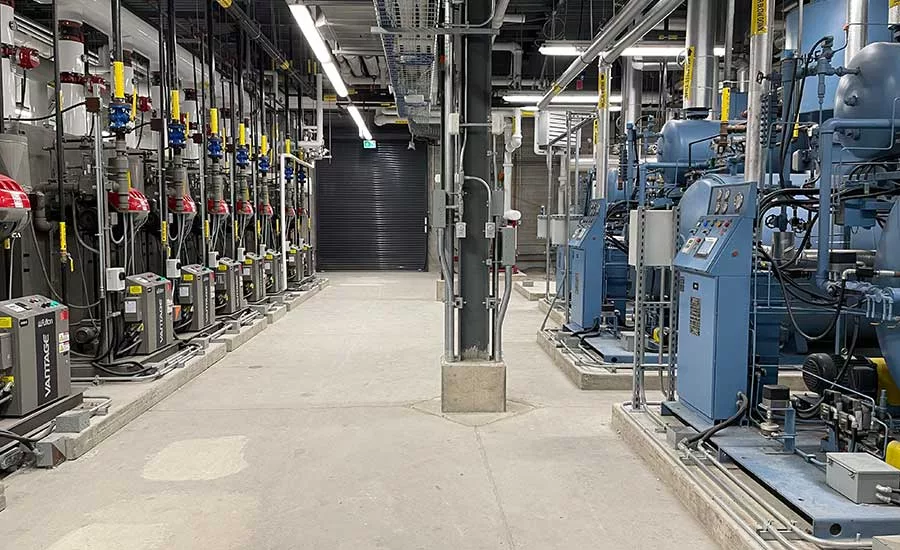
FIGURE 1. A split hot water and steam plant within a modern hospital. Images courtesy of Thermogenics
Traditionally, hospitals relied heavily on steam as their heat energy “lifeblood.” Steam was a critical medium to feed processes such as building heat, humidification, sterilization, domestic hot water, on-site laundry, labs, and kitchens.
Today, the lifeblood of hospitals is evolving to include more hot water (low-grade heat) and much less steam. This is driven by a goal of improving efficiency and reducing emissions. Low-grade heating technologies include not just the use of condensing hot water boilers but also alternatives, like heat pumps, heat recovery exchangers, and reheat chillers. As hospitals diversify heating mediums and decrease their reliance on steam, unique challenges can arise for the boiler plant. Addressing these challenges requires careful attention, both in terms of the application and operation.
New Challenges Facing Steam Boilers in Modern Hospitals
The integration of low-grade heat technologies, which produce hot water instead of steam, in conjunction with existing seasonal load profiles, has amplified the peaks and valleys of the steam system’s load profile. Hospitals now face the challenge of managing diverse seasonal loads while striving to meet stringent emission reduction targets all while ensuring reliability.
How Modern Hospitals in Temperate Climates Operate
Steam plants in modern hospitals with temperate climates have varied load profiles throughout the year. During the winter, the bulk of the total steam capacity is used. This does not include the backup boiler (N+1). This means the plant can expect to operate between 60%-95% of the allocated steam capacity. The following uses are active during this period: humidification, sterilization, backup heat for domestic hot water, lab steam, and cart washing.
On the other hand, during the summer, the steam capacity usage can be minimal, especially if domestic and any clean-in-place (CIP) water users are on the low-grade system instead of steam. Modern hospitals typically run at 5%-15% of their steam capacity during these warmer months. The following uses are active during this period: sterilization, occasional backup hot water, lab steam, and cart washing.
In addition to diverse seasonal loads, hospitals must contend with energy management and efficiency improvements, reducing emissions, and reliability.
Solutions
To best manage energy and emissions, every effort is required to match energy input to the heat output across the load profile. It’s critical to consider boiler cycling during this review.
Traditionally, a plant is sized based on its peak steam load profile. However, modern hospitals require equal attention to the base load. Boiler selection is critical to ensure the boiler has adequate turndown and that the burner operates efficiently across the turndown range.
Optimizing burner control by ensuring strong combustion control across the full range is key. In addition, optimizing O2 levels can further improve efficiency. In some boiler designs, high excess air is often necessary at low fire due to furnace pressures. Neglecting this aspect can lead to energy inefficiencies, particularly if the boiler operates at low fire for a significant portion of the year.

Many modern hospitals now utilize “summer boilers,” which are small capacity units with high turndown capabilities, to handle very low steam loads. For instance, a plant might have 500 boiler horsepower (bhp) boilers for peak loads and a 100-bhp boiler for summer loads. If each unit has a strong 10:1 turndown, the plant is now capable of turning down to 10 bhp during the lowest load conditions. This will have a positive impact on performance, especially if efficient combustion is maintained.
Good water quality has always been important to boiler plants, but, now more than ever, a strong water treatment system is required to ensure proper heat transfer and lower blowdown rates.
Condensate management also remains critical for health care steam systems. Hot, treated condensate needs to be captured and returned to the boiler plant. Adequate sizing of pump traps and surge tanks are impactful for smooth and stable condensate recovery in any steam system.
Key Benefits to Expect
Consideration and implementation of the above measures will reduce fuel consumption and lower emissions in hospitals. We encourage you to take a look at Greening Healthcare’s annual baseline reports, which showcase how hospitals across North America have gained valuable insights and achieved success with retrofitting and improving their boiler selections as our hospitals evolve. All of the above solutions will reduce a hospital’s carbon footprint if executed well. It is very important to remain aware of how changes could impact a boiler’s cycling. The U.S. Department of Energy (DOE) equates excess cycling to a 1%-3% loss annually.
Conclusion
A deep understanding of how steam boilers and systems integrate has never been more important for modern hospitals. By addressing challenges facing steam boilers, especially those sharing low-grade hot water loops, hospitals can achieve significant benefits, including reduced fuel consumption, reduced emissions, and improved reliability.
By Paul Ingham, vice president of sales and marketing, Thermogenics
Looking for a reprint of this article?
From high-res PDFs to custom plaques, order your copy today!