Johnson Controls Identifies Regulations, Efficiency, and Sustainability Among the Industry’s Top Trends
Johnson Controls explores the issues shaping the HVAC industry and shares best practices contractors and buildings managers can take now to meet these evolving industry standards.
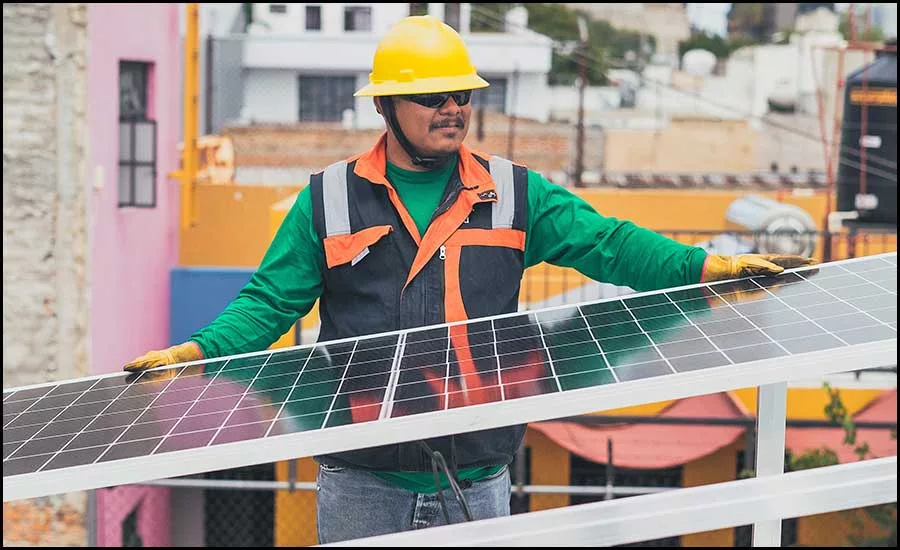
FIGURE 1. After years of preparation, 2023 marks the launch of increased Department of Energy (DOE) standards for both residential and light commercial applications. Image courtesy of Los Muertos Crew | Pexels
The HVAC industry has experienced rapid changes over the past year that have pushed professionals and manufacturers to rethink how they approach sustainability, building health, and workforce development. The pandemic magnified the importance of indoor air quality (IAQ) both at home and within commercial buildings. The effects of climate change backed by governmental policy have accelerated the need for energy-efficient systems that can help to support aggressive sustainability goals and reduce energy costs. A waning workforce and continued supply chain disruptions are a source of ongoing pressure within the industry as product demands grow. And yet, as both market conditions and the industry itself evolves, the future of HVAC remains positive with innovation and strategic planning guiding the way.
Johnson Controls explores the issues shaping the HVAC industry and shares best practices contractors and buildings managers can take now to meet these evolving industry standards.
Regulations and Energy Efficiency
After years of preparation, 2023 marks the launch of increased Department of Energy (DOE) standards for both residential and light commercial applications. It’s critical that contractors understand which region they’re located in — as specified by the DOE — and the types of products they can install based on the region’s efficiency requirements. Regionality will also determine whether product compliance is based on date of installation or date of manufacture.
Heat-pumps are positioned to make a significant impact as decarbonization efforts advance. For example, the Johnson Controls commercial building Energy Efficiency Indicator Survey revealed that more than one-third of respondents plan to replace fossil fuel heating equipment with heat pump technology by the end of the year, which is a 7% increase from last year.[i] Hydronic heat pumps are an energy-efficient alternative that can replace boilers to help reduce carbon emissions. Within the residential market, the DOE Cold Climate Heat Pump Technology Challenge has inspired partnering manufacturers to develop technologies that can accommodate increased heating loads within colder climates. Advanced residential systems can achieve up to a 2.0 coefficient of performance (COP) or better and maintain 50%-80% heating capacity in outdoor temperatures as low as 5°F now making heat pumps a viable option for many homeowners.
However, it's important to note that many air-source heat pump systems still need to include some form of backup or supplemental heat when building heating demands exceed capacity (when ambient outdoor temperatures drop too low to support optimal operation, for example). Supplemental gas heating may still be necessary to help maintain efficiency.
Accelerated Sustainability Goals
With the U.S. rejoining the Paris Agreement and strengthening 2030 greenhouse gas emission targets, decarbonization, electrification, and low-global warming potential (GWP) refrigerant transitions are at the center of the nation’s accelerated sustainability goals.
Homeowners and commercial building managers can both benefit from electric-based heating and cooling systems and advanced controls that enhance performance and efficiency. The Johnson controls Energy Efficiency Indicator Survey revealed that 62% of commercial organizations surveyed expect to increase investments in energy efficiency, renewable energy, or smart building technology in 2023. In parallel, the American Home Comfort Study indicated that 60% of homeowners were willing to invest in high-efficiency systems this year if they could lower their energy consumption and the associated costs.
In both markets, advanced controls play a critical role in supporting HVAC system efficiency. For homeowners, communicating zoning systems combine the benefits of smart home technology with energy-efficient zoning. Zones established throughout the home allow homeowners to reduce heating and cooling in unused rooms or make adjustments based on ambient conditions. Additionally, automated settings can be used to create preferences while away, providing superior control over the home comfort system and its energy use.
Advanced commercial building management systems that incorporate artificial intelligence (AI) provide operators with a comprehensive suite of apps to monitor and improve energy efficiency, asset performance, maintenance operations, and occupant satisfaction and well-being. These systems take smart building controls a step further with real-time tracking and automatic data analytics to provide a roadmap of sustainability opportunities and metrics that help facility managers understand and communicate the impact these efforts have on building performance.
Wellness and IAQ
In both residential and commercial markets, the necessity for healthy indoor air quality (IAQ) is paramount as IAQ shifts from a pandemic precaution to a method of enhancing overall well-being.
The 2022 American Home Comfort Study revealed homeowners were willing to spend 65% more now on IAQ now than they were just a few years ago. Wellness, ventilation, IAQ, thermal health, and humidity make up half of the nine key pillars of healthy commercial buildings identified by the Harvard School of Public Health.[ii] These findings, coupled with the launch of the U.S. Environmental Protection Agency’s (EPA) Clean Air in Buildings Challenge, make HVAC performance and healthy indoor environments more important than ever before.
Maintaining optimal space temperature and humidity levels not only provides a more comfortable indoor environment, but they also help destabilize pathogen transmission and prevent mold and mildew growth within the system and minimize its potential to spread throughout the building. Increased ventilation, advanced MERV filters, humidifiers/dehumidifiers, and ultraviolet-C systems work together as a complete system that can be applied to both residential and commercial applications.
System controls further enhance performance by providing insights into IAQ performance. In commercial buildings, this can be advanced through smartphone apps that make building data transparently available to all occupants. Apps also allow occupants to communicate directly with facility personnel about building and room conditions, like temperature, lighting, and occupancy, to provide superior control over personal well-being.
Workforce Development
Efforts to recruit and train the next generation of HVACR professionals continue, but there is more work required to strengthen the future of the industry. On-the-job training opportunities can help attract new contractors and develop the skills necessary for continued professional advancement. The Manufacturing Institute estimates that more than 2 million manufacturing jobs will be unfilled by 2028, largely due to the current skills gap. HVAC manufacturers have an opportunity to play an important role in this development by investing in and providing hands-on and virtual training resources. On-site classrooms and laboratory-style training environments that include access to real HVAC systems and emulate real-world settings and environmental conditions provide a valuable knowledgebase. But, additionally, virtual reality can be used to further expand expertise by simulating scenarios that are common within the field, such as servicing or installing equipment. Combining virtual reality with remote learning opportunities can help to make training and career possibilities more accessible to a wider range of potential HVAC professionals.
“Successfully reaching global sustainability and energy efficiency requires intentional planning and responsible investments in the systems and technologies that will protect our planet for generations to come,” said David Budzinski, vice president and general manager, residential and light commercial, Johnson Controls. “At Johnson Controls, we’re committed to developing best-in-class products and solutions that help transform the environments where people live, work, learn and play.”
[i] (Johnson Controls, November 2021) Energy Efficiency Indicator Survey https://www.johnsoncontrols.com/2021EEI
[ii] (Harvard Business Review, April 2020) What Makes an Office Building Healthy https://hbr.org/2020/04/what-makes-an-office-building-healthy
Looking for a reprint of this article?
From high-res PDFs to custom plaques, order your copy today!