TODAY’S BOILER | JANUARY 2023
Can My HRSG Cope With a Hydrogen Blend?
While hydrogen does present challenges, they are within the capabilities of the vendor community.
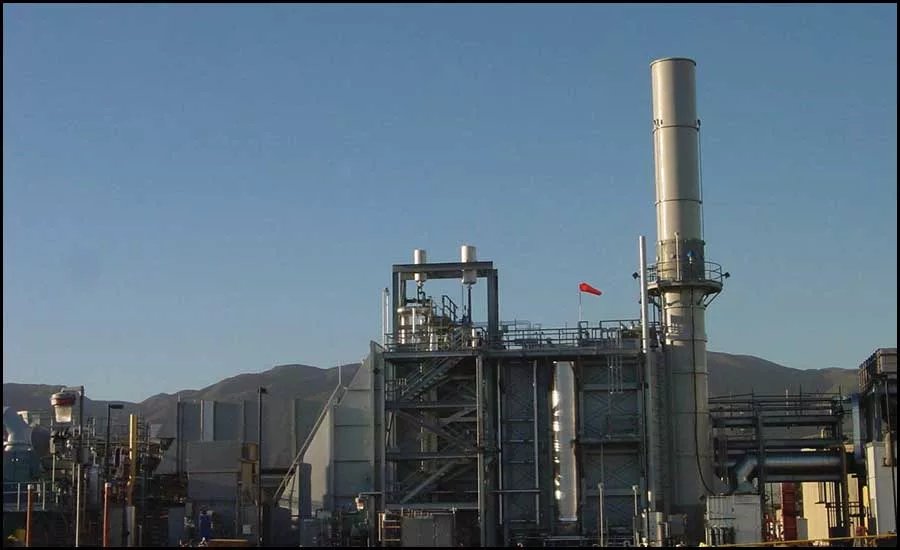
FIGURE 1. HRSGs can accommodate hydrogen and have been doing so for many years. Image courtesy of Rentech Boiler Systems Inc.
With many power plant owners and operators looking to blend hydrogen with natural gas to lower their carbon footprints, the question often asked is what will that mean for heat recovery steam generators (HRSGs)? The good news is that hydrogen has been present in boilers and HRSGs for decades. The industry has built-up extensive experience in dealing with what can be a tricky gaseous ingredient. While hydrogen does present challenges, they are within the capabilities of the vendor community.
As the density of hydrogen is about eight times lower than methane and has a lower Btu value per unit of volume, a lot more of it is required for combustion compared to natural gas. Hydrogen has about one-fifth of the heating value of natural gas, yet its flame temperature is about 4,000°F versus 3,600° for natural gas. This can cause material and stress problems for the gas turbine and HRSG as well as higher NOx levels.
HRSG Modifications
- The piping and metering stations that feed the combustion process will be larger than those used purely for natural gas and will probably have to cope with higher pressures. Separate hydrogen intake lines are required, typically of higher diameter along with larger valves. That applies particularly to the intake lines into the gas turbine.
- Burner modifications are to be expected. The higher temperatures and hydrogen’s tendency for flashback typically make it necessary to use different burners. Burner specialists can provide advice on the size and type of fuel injectors that should be used in hydrogen service as well as any changes needed to the duct burners in an HRSG. As the amount of hydrogen being introduced will vary from plant to plant, low concentrations of hydrogen may be acceptable without modification. But, once the volume goes beyond a few percent, burner changes or replacements become more likely.
- The overall performance of the HRSG would need to be evaluated. The combustion of hydrogen fuels in the gas turbine and duct burner will have different products of combustion and different heat transfer rates in the superheaters, evaporators, and economizers could affect overall steam production. Therefore, those designing new combined cycle plants should note that HRSG performance may be different than when running on 100% natural gas.
- Exhaust modifications may be necessary. Combustion may require additional air added to the system for the duct burner. The HRSG, therefore, needs to be re-engineered to avoid exceeding the casing’s design pressure. Higher pressure drop can also be a factor in derated performance.
- Safety is always a concern. Hydrogen has a wider explosion range, a lower ignition energy, and much lower density than natural gas. Therefore, additional safety measures are warranted. There is a danger that unburned hydrogen will rise to the top of the HRSG. There are pockets, especially at the top of the HRSG, where it may collect. Purge cycles may be needed to eliminate the risk of explosion. Hydrogen detection gear should also be installed to catch the early signs of leakage.
- Condensation is also a concern. The water dew point rises when firing hydrogen, so any cold areas of the HRSG in contact with exhaust gas will tend to suffer from condensation. Drains and material selections should be implemented as needed.
- Emissions may increase. Hydrogen’s higher flame temperature means NOx levels might spike. Remediation measures, such as selective catalytic reduction systems (SCR), will have to be considered to ensure regulatory compliance.

Anyone considering a blend of hydrogen should contact an HRSG manufacturer to discuss any concerns and to arrange any modifications. In most cases, these should be minor. Once the percentage of hydrogen starts to climb, however, more major changes may be required.
Looking for a reprint of this article?
From high-res PDFs to custom plaques, order your copy today!