Chicago Adopts 2022 Energy Transformation Code
Chicago is among first major U.S. cities to adopt and exceed the 2021 International Energy Conservation Code.
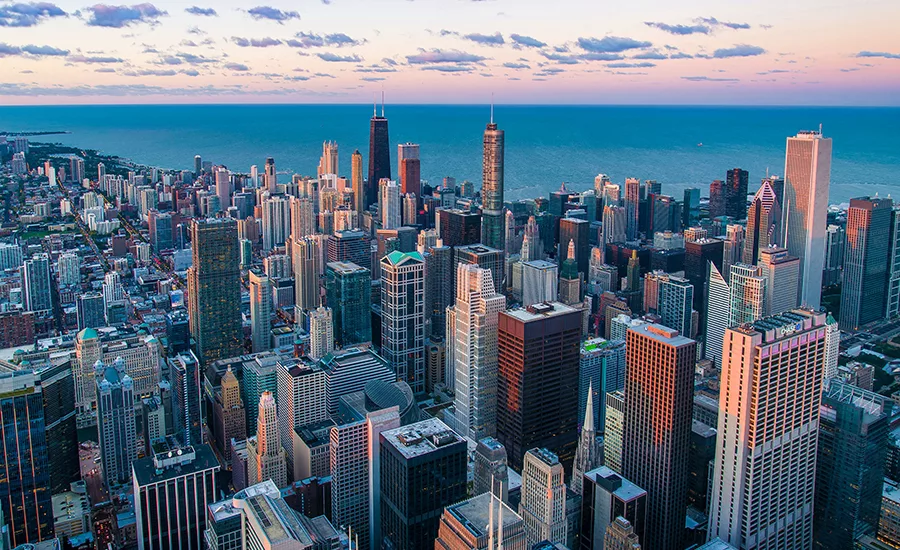
FIGURE 1. The 2022 Code will result in an approximately 40% improvement in energy efficiency for residential and commercial buildings compared to the 2001 ordinance.
CHICAGO — Chicago City Council passed Mayor Lori Lightfoot's 2022 Chicago Energy Transformation Code, making Chicago one of the first major U.S. cities and the first city in Illinois to adopt and exceed the 2021 edition of the International Energy Conservation Code (IECC), a widely used model code. Most requirements will apply to building permits applied for on or after Nov. 1, 2022, with additional requirements taking effect on January 1, 2023.
“The City of Chicago has long been a leader in adopting requirements for energy efficiency and sustainable design,” said Lightfoot. “Our buildings are major contributors to Chicago’s carbon footprint, so it’s critical that every construction and renovation project increases the efficiency and sustainability of our building stock as part of Chicago’s commitment to combat climate change.”
Chicago’s first energy-efficient construction requirements were adopted in 2001, based on the 2000 edition of the IECC. These requirements have been regularly strengthened in alignment with the IECC’s 3-year revision cycle. Most recently, Chicago adopted requirements based on the 2018 IECC in April 2019. Each new edition of the Chicago Energy Code has provided for the cost-effective reduction of energy use. The 2022 Code will result in an approximately 40% improvement in energy efficiency for residential and commercial buildings compared to the 2001 ordinance.
Additionally, by being among the first to adopt requirements based on the 2021 IECC, the City of Chicago will be at the front of the line to apply for $1 billion in federal financial assistance. That money was appropriated in the recently passed Inflation Reduction Act (IRA). The U.S. Department of Energy (DOE) plans to begin releasing those funds next year to support local training and enforcement activities as well as future consideration of net-zero-energy code requirements. Homeowners and businesses who build under the Energy Transformation Code will also be eligible for energy efficiency rebates and tax credit programs that were created or expanded by the IRA.
Unlike previous energy codes, which focused exclusively on reducing building energy usage, the Energy Transformation Code will also incentivize the use of equipment types and energy sources that will reduce greenhouse gas emissions, consistent with the City’s recently released Climate Action Plan. Implementation of the Energy Transformation Code will save energy and reduce the carbon footprint for both residential and commercial buildings.
Energy conservation requirements are also proven to provide monetary savings for Chicago’s residents and small businesses, especially with rising energy costs. The DOE has determined the 2021 IECC represents a 9.4% site energy savings improvement and an 8.7% improvement in carbon emissions for residential buildings relative to the 2018 IECC, saving homeowners an average of $2,320 over the life of a typical mortgage. The 2021 IECC is estimated to result in a 5% energy savings for commercial buildings relative to the 2018 IECC.
Chicago’s new Energy Code will also exceed the 2021 IECC baseline and advance the city’s decarbonization commitments in several important ways:
- Requires placement of windows in new buildings to minimize energy demands due to solar heat gain in summer;
- Requires new low-rise commercial buildings, such as warehouses, to be designed so roofs can support the future installation of solar panels;
- Requires new residences with gas-fired appliances to be built with the electrical capacity and wiring necessary to switch to electric appliances in the future without opening walls or upgrading the electrical service;
- Requires improved insulation to reduce heat loss through the exterior walls of buildings with projecting balconies or parapets;
- Incentivizes the use of smart heating, cooling, and hot water equipment that is integrated with the electric grid to reduce demand during peak usage;
- Requires indoor plant-growing facilities to use energy-efficient lighting; and
- Prohibits new decorative gas lighting.
Further, Chicago’s new Energy Code will recognize two rigorous building certification programs as alternative ways to comply: the 2021 Phius standard and the gold and emerald certification levels under the 2020 National Green Building Standard (NGBS). The Phius 2021 Standard, sometimes referred to as a “passive building” standard, is maintained by a Chicago-based nonprofit and is widely recognized throughout the U.S. for balancing aggressive energy and carbon reduction targets with cost-effectiveness. The NGBS is a residential green building standard developed through a consensus process and approved by the American National Standards Institute (ANSI). Both certification programs require rigorous preconstruction reviews and post-construction verifications by independent third-party reviewers, which supplement the Department’s own building permitting and inspection processes.
"The Department of Buildings looks forward to working with our partners in the design and construction industry to successfully implement these critical changes," said Matthew Beaudet, commissioner, department of buildings.
A user-friendly version of the Energy Transformation Code is anticipated to be published in print and electronic formats by the International Code Council, publishers of the IECC. The City of Chicago is also partnering with the University of Illinois' Smart Energy Design Assistance Center (SEDAC) to provide training on the new requirements. For more information, visit www.chicago.gov.Looking for a reprint of this article?
From high-res PDFs to custom plaques, order your copy today!