Boiler Pressure Vessel Codes and Standards
Boiler customers should be aware of the codes, standards, and associated reports that affect the work that takes place at the factory prior to delivery or when a repair is performed in the field.
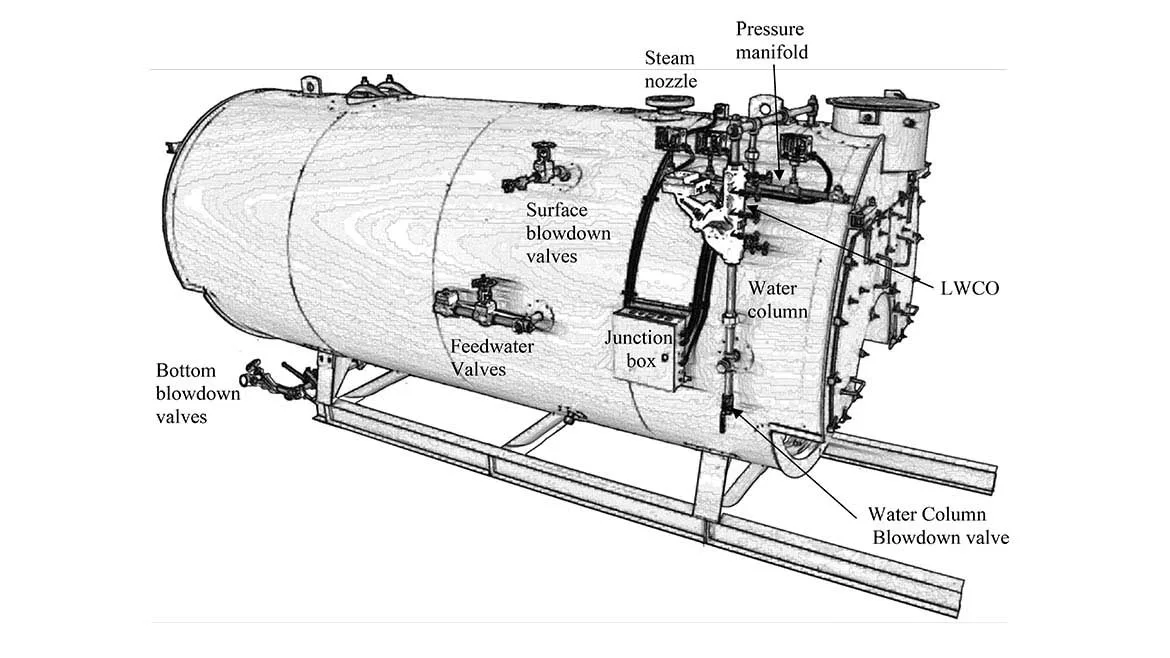
Figure 1: Boiler customers should be aware of the codes, standards, and associated reports that affect the work that takes place at the factory prior to delivery or when a repair is performed in the field. Images courtesy of Superior Boiler
The boiler industry is unique in that it helps govern its own manufacturers and service repair providers through a robust set of pressure vessel codes and standards that are designed, first and foremost, with safety in mind.
The American Society of Mechanical Engineers (ASME) and National Board of Boiler and Pressure Vessel Inspectors (NBBI) provide the foundation and basis for the codes and standards applicable to manufacturers and service repair providers of pressure vessels. These organizations provide end customers and boiler room operators with valuable information and data reports regarding the required testing to which their equipment was subjected in order to comply with code requirements.
The Importance of Codes and Standards Before Delivery
Boiler customers should be aware of the codes, standards, and associated reports that affect the work that takes place at the factory prior to delivery or when a repair is performed in the field. When customers have this understanding, they are better prepared for installation of their equipment or for any future maintenance that may take place. Codes and standards also extend beyond the pressure vessel itself and into components that go onto a boiler, such as the burner, instrumentation, and valves, to name a few, but we will not be discussing those here.

In the boiler manufacturing process, because of the immediate size of the equipment, people tend to think primarily of the boiler pressure vessel proper as the main concern regarding inspection processes and procedures. And, indeed, it is important, but the little-thought-of piping used in attaching trim and control items to the boiler pressure vessel is equally important. For a boiler to work properly, all of the components and the boiler pressure itself must operate together, consistent with the operating requirements to which they are designed and manufactured.
For a complete boiler system to be acceptable, this external piping must:
• Meet specific codes and standards;
• Be assembled to meet certain standards that are determined by design and operating parameters;
• Be subjected to certain testing that is witnessed by an authorized independent inspector trained and licensed to witness such tests; and
• Pass an inspection conducted by a company’s own internal inspection personnel.
Data Reports as Confirmation of Manufacturing Adherence to Codes
Results of these tests then are recorded onto a data report as required by ASME and NBBI provisions and submitted to the NBBI’s national registry system for safekeeping. The data reports are accessible by end customers and provide valuable information confirming that a boiler and associated piping were manufactured to the applicable codes and standards.
The data reports detail the key components and measurements used in the manufacture or repair of boiler pressure vessels. They vary depending upon what is being manufactured or repaired.
A key recordable item on the data report is the non-destruction examination, which provides evidence of testing to levels above the operating conditions of the items being tested. Of particular importance are hydrostatic pressure tests (hydro-tests). An initial hydro-test takes place after boiler tubes have been installed into the pressure vessel. Performed in accordance with the code requirements applicable to the design pressure of the pressure vessel, this test validates that there are no leaks in the tube to tubesheet joints, attachment welds, or drum connections as witnessed by an outside authorized inspector and recorded on the data report.
ASME boiler pressure vessel code Section I Power Boilers — process boilers, power boilers, and high-pressure boilers in which steam or other vapor is generated at pressures exceeding 15 psig — require a second hydro-test on piping. The external piping that is subjected to the second hydro-test typically will include all of the following items: primary low water cutoff, auxiliary low water cutoff, gauge glasses, and pressure controls. Feedwater piping, surface blowdown piping, and bottom blowdown piping are also typically covered by ASME code requirements. On boilers requiring steam valves, the steam piping should also be hydro-tested. All of these components would be subjected to a system hydro-test under pressure and recorded on the data report for the respective boiler pressure vessel.
Occasionally, once boilers are set up at a customer’s end location and commissioning begins, a boiler may experience what is referred to as “weeping tubes,” or slight leaks associated with the boiler tubes. There also may be slight leaks associated with trim piping. This is primarily caused by vibrations during the shipment and rigging of the boiler pressure vessel. Some minor field service may be required to bring the equipment back into compliance with operating codes and standards.
The ultimate goal of codes and standards is to ensure boiler safety, document the key testing measurements, and summarize valuable information on the pressure vessel data report. Both the customer and state inspector should have assurances that the pressure vessel and all associated piping and valves have been tested at the factory prior to shipment. The data reports provide this assurance, reflecting all of the key measurements taken and the approvals of both the authorized independent inspector and the manufacturer’s designated representative.
The boiler industry continues to evolve, and the codes and standards associated with boiler pressure vessels will evolve as well. It’s important to keep up to date with the most current codes and standards.
Looking for a reprint of this article?
From high-res PDFs to custom plaques, order your copy today!