Basics of Pressure & Pressure Measurement
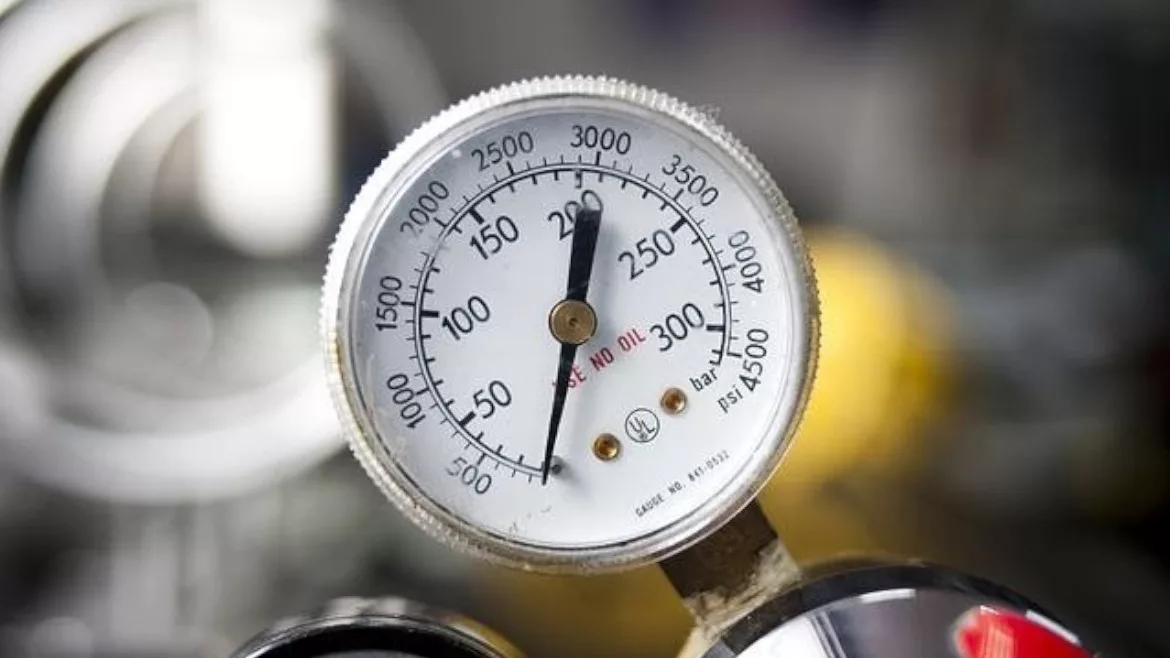
FIGURE 1: A pressure gauge. Image courtesy of Pixabay
Pressure is the amount of force applied per unit area. Pressure can be measured by a pressure gauge, but it is important to know the type of pressure the gauge is reading. This article will cover the basics of pressure, different pressure measurements, and how to measure the pressure in a system.
Pressure Basics
Pressure is one of the most critical variables in engineering. To understand and measure pressure, one must first understand the different types of pressure that exist. There are five pressure types:
- Atmospheric pressure: The pressure from the weight of the atmosphere (air);
- Vacuum pressure: The negative pressure in a system minus atmospheric pressure;
- Gauge pressure: The positive pressure in a system minus atmospheric pressure;
- Absolute pressure: Atmospheric pressure plus gauge or vacuum pressure; and
- Differential pressure: The pressure difference between two measured pressures.
Each of the below is measured against a reference pressure. The most well-known of this reference pressure is pressure zero (Pzero), or the (near) perfect vacuum of the universe.
Atmospheric Pressure
Atmospheric pressure (Patm) is the weight of the air as the Earth’s gravity pulls it toward its center. It is heaviest at sea level (more atmosphere above it), which is measured at 14.7psi (1.01325 bar). At higher altitudes, atmospheric pressure is different, so it’s important to know the pressure at your altitude. Atmospheric pressure can also be influenced by weather-related factors, such as storms, tornados, and hurricanes.
Vacuum Pressure
Vacuum pressure (Pvac) is measured as a negative value relative to atmospheric pressure. Thus, vacuum pressure is a differential pressure. There is a difference between this and absolute pressure, which is measured against absolute zero. Vacuum pressure can be calculated by taking the atmospheric pressure minus the measured pressure.
Gauge Pressure
Gauge pressure (Pg) or relative pressure can be explained as the measured difference between pressure measured and the local atmosphere. The gauge pressure can be a negative value if the measured pressure is lower than the atmospheric pressure. Because the gauge pressure always considers local atmospheric pressure, it is independent of atmospheric pressure and does not change with elevation. Therefore, pressure in pipes and tanks with higher pressures than atmospheric pressure can be measured. Gauge pressure can be calculated by taking the measured pressure minus the atmospheric pressure.
Absolute Pressure
Absolute pressure (Pa or Pabs), is measured relative to zero pressure (perfect vacuum). The measurement of barometric pressure is an example of an absolute referenced pressure. A high vacuum is sealed behind the sensing diaphragm to produce an absolute pressure sensor that reads the actual barometric pressure. Absolute pressure can be calculated by taking the gauge pressure plus the atmospheric pressure.
Differential Pressure
Differential pressure is defined as the pressure difference (dP or ΔP) between two applied pressures. One pressure value is used as a reference pressure to determine another pressure value. Most pressure measurements are called differential pressures because the pressure is measured relative to atmospheric pressure or absolute vacuum. Differences in pressure between two sides of an object can be measured using differential pressure. Differential pressure can be calculated by taking one pressure reading and subtracting another.
Types of Pressure Gauges
Depending on the application, it is typically important to know the pressure within the system. It ensures proper operation, consistent product, and a safety check from over pressurized vessels. Pressure gauges are used to measure the pressure within a system. It is most common that pressure gauges measure gauge pressure, so it tells you the pressure within the system relative to the atmospheric pressure. Depending on the design of the pressure gauge, it measures this in various ways. The two most common types of pressure gauges are the bourdon tube and diaphragm pressure gauge.
Bourdon Tube
For a bourdon tube pressure gauge, as the media enters the pressure gauge it flows from a stationary component, through a C-shape tube, to the movable end of the bourdon tube. As the pressure increases, the C-shape tube straightens, and, as it decreases to 0, it goes back to its original shape. The difference between these two positions is calculated mechanically through pivots and gears, and it is able to output the pressure within the system. It is extremely accurate and is the most common type of pressure gauge. It can be used for liquids, gases, vacuums, and low- and high-pressure applications. However, this type of pressure gauge should not be used with corrosive or contaminated media. In general, it is used to measure pressure from 0.6 to 7,000 bar (8 to 10,000 psi).
Diaphragm pressure gauge
A diaphragm pressure gauge uses a flexible membrane to measure the pressure within a system. The membrane is fixed around the edges, so when the pressure increases, the middle of the diaphragm deflects up, and, through links and gears, it is able to calculate the pressure change from zero pressure (no deflection). This pressure gauge is utilized for low-pressure measurement. The membrane isolates the inner workings of the pressure gauge from the media, preventing contamination. As a result, the diaphragm pressure gauge can be used with corrosive or contaminated liquids or gases.
Critical factors to Consider
While the gauge type is essential when measuring pressure, there are various other selection criteria that will need to considered before coming to the main part. These are, amongst other things:
- Material: Typically, pressure gauges have two components to consider: the process and the cabinet material. The process material is what comes into contact with the media; common materials are stainless steel or copper alloy. The cabinet material, or housing material, is typically the outer material of the gauge, and a more comprehensive material choice is available. These include copper alloys, stainless steel, Inconel, and aluminum.
- Dry or liquid-filled: Pressure gauges are either dry or liquid-filled. Liquid-filled gauges are slightly more expensive, but they have many advantages. They stabilize the needle in high vibration applications, keep internal components lubricated, and extend the gauge's life. Glycerine is the most common liquid-filled material, but silicone is also quite common.
- Accuracy: The difference between needing an approximate pressure reading on a swimming pool filter system or requiring an accurate reading in unstable processes is extreme. A pressure gauge's accuracy class specifies the maximum margin of error relative to its maximum scale reading. For example, when reading a 100-bar pressure gauge with accuracy class 1, the deviation from actual pressure is 1%, i.e.,1 bar.
- Range: A gauge's pressure range determines the maximum and minimum pressure it can read. Typically, the gauge range should be twice the working pressure. In all conditions, the operating pressure should not exceed 75% of the gauge range.
Other selection criteria include whether a digital or analog gauge is chosen, the working temperature of the system, environmental conditions, IP rating, and connection size.
Looking for a reprint of this article?
From high-res PDFs to custom plaques, order your copy today!