Staten Island Housing Development Reduces Emissions and Electrical Costs — at the Same Time
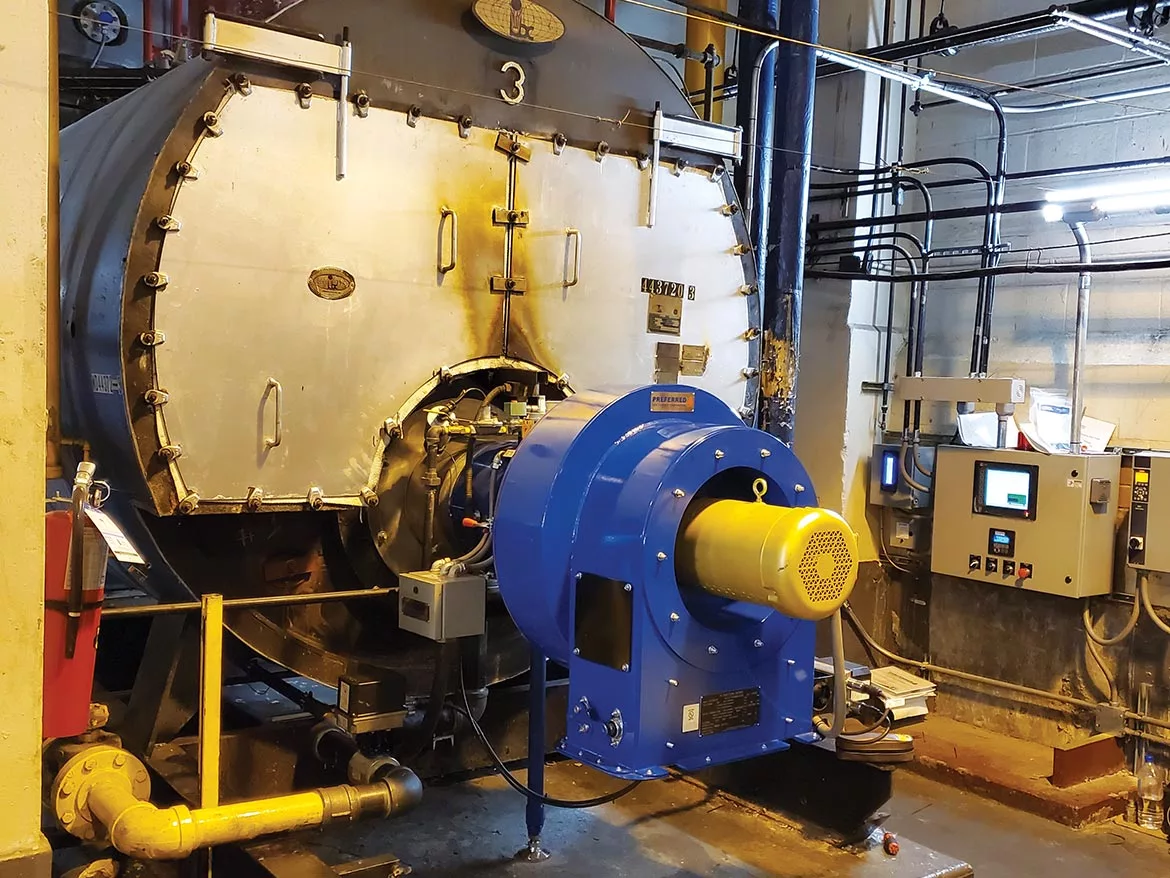
Figure 1. Knowing when the conditions outlined in this article, are occurring, and preventing them from persisting is the best step in proactively maintaining the thermal fluid, which decreases the preventive maintenance required by the plant.
New York City’s electricity rates are among the highest in the country. What people may not realize, though, is that large boiler systems (found in places like housing developments, college campuses, school, and large buildings) are among the biggest users of electricity even though they are fueled by oil or natural gas.
At the same time, boilers can cause a problem with nitrogen oxide (NOx) emissions. With pressure both from the public and government regulation, boiler emissions have to be kept in check. But the efforts required to reduce emissions can often increase electricity costs and vice versa. Can both problems be tackled at once? Stapleton Houses, one of the largest housing developments on Staten Island, found a way to do just that, and, as a result, the housing project’s managers cut the electrical usage of their boiler by 75%.
The Problem
Reducing the electricity cost of boilers and bringing down emissions at the same time seems unlikely. Ultra-low NOx emissions burners use more power because they burn fuel at lower temperatures over a longer period of time; however, with recent advancements in burner technology, it’s possible to strike a balance between saving on electricity in the short term and reducing emissions in the long term.
Whether burning oil or natural gas, fuel must be delivered to the burner along with air (oxygen) at specific ratios that account for variables such as humidity and temperature. Traditionally, this is accomplished manually using a jackshaft linkage to set the ratio. These systems are inherently difficult to keep configured correctly because bolts connecting the linkage loosen over time, allowing incorrect amounts of fuel or air to be delivered to the burner, creating an inefficient system.
The modern solution to jackshaft linkages often found in old city boiler rooms is a parallel positioning system in which the fuel and air valves are monitored and adjusted automatically. These systems experience no slippage, and configuration settings can be dialed in precisely on a combustion controller. By maintaining optimal fuel and oxygen proportions, the system reduces both emissions and electricity costs.
The Solution
The administrators at Stapleton Houses needed a solution like this for their aged, inefficient heating system, parts of which dated back to the complex’s construction in 1960. They started by installing a new, high-efficiency, low-emission burner, which created both electric and fuel savings and reduced the carbon footprint of the facility. This burner, the API Inject-Aire, was among the first to comply with New York City’s Local Law 87, which required substantial carbon footprint reduction.
Local Law 87 aims to achieve a detailed breakdown of energy data, requiring buildings to carry out energy audits and retro-commissioning while delivering energy efficiency reports (EER) every 10 years. Under this law, these audits are required to provide detailed building performance data, which is valuable for the New York City government as it deploys targeted energy efficiency and emissions reduction measures. On the other hand, retro-commissioning validates the operating conditions of building systems, with adjustments or minor modifications ensuring the most efficient operation possible with the existing equipment.
This new boiler boasts an electric consumption reduction of up to 65% when compared to burners previously purchased by the New York City Housing Association. This is over and above the high fuel efficiency, which translates into significantly reduced greenhouse gas emissions. The ultra-low excess air remains through the entire firing range (10% to 40% firing range less than 3.5% O2, 50%-100% firing range less than 2% O2).
With a significantly high turndown of 10:1 on low-pressure natural gas, and 8:1 turndown on oil, the burner also delivers a reduction of more than 50% in cycling of the burner, burner motor, burner and boiler servos, and all burner components. The stress reduction on the boiler will positively impact longevity and reduce annual maintenance costs.
The burner provides dramatic reduction in boiler heat loss by eliminating more than 50% of the pre-purge and post-purge cycles required by common low-turndown burners. Each one of these shutdown and startup cycles for a boiler can waste up to five total boiler volumes worth of Btu-rich combustion air, “cooling” the boiler with each cycle. This important cycling reduction also cuts electricity consumption, wasted fuel, and greenhouse gas emissions.
The first installation of this low-NOx, high-efficiency burner at Stapleton Houses was completed in 2015. With a five-year track record of success, the New York City Housing Authority decided to install two more of the units.
With the Stapleton Houses installation, the city has ushered in a new era of high-quality, long-life, low-maintenance burners and controls that will deliver efficiency enhancements for fuel and up to 60% less electricity consumption while substantially reducing greenhouse gas emissions and cutting NOx emissions by more than half. The burners and controls package are manufactured in Danbury, Connecticut, by skilled American tradesmen in a UL 508/IBEW shop.
“The initial retrofit at Stapleton Houses has saved thousands of dollars with improved efficiency,” said Dan Wallace, creator of the API burner and design engineer for this project. “So, when it came time to replace the other two burners, the New York City Housing Authority [NYCHA] had a pretty clear choice. They went with the efficient, low NOx boiler technology.”
Looking for a reprint of this article?
From high-res PDFs to custom plaques, order your copy today!