Specifying Insulation: Three Ways Material Specs Contribute to the Bottom Line
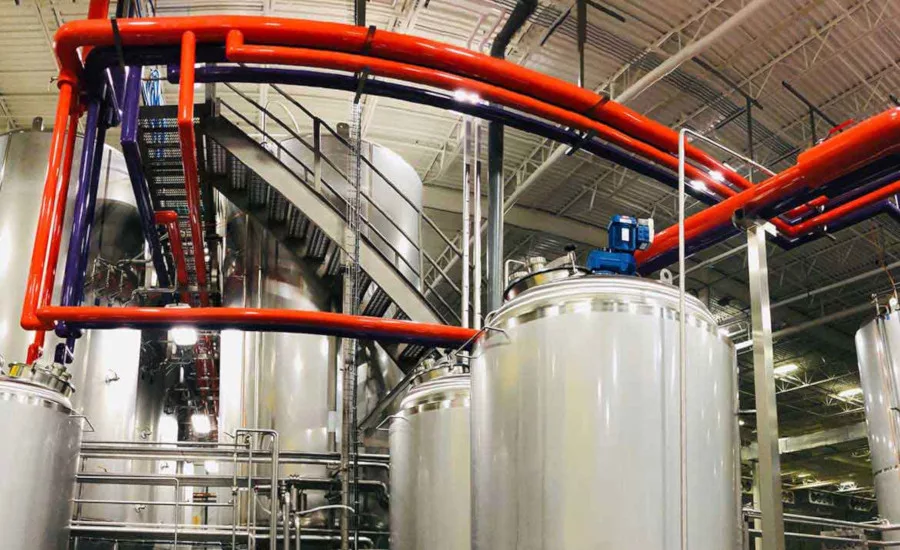
Figure 1. A popular microbrewery selected an insulation with a polymer jacket containing a self-sealing attachment mechanism that does not support mold or mildew growth.

Figure 2. Properly installed insulation helps protect brewing equipment from damage caused by moisture and supports the efficient operation of the system.
As the nation gets back to work and the pandemic begins to wane in some regions, contractors and architectural, engineering, and construction (AEC) professionals face a complex business landscape. The labor force remains tight. Much attention is focused on potential regulatory changes that may impact workplace safety in the future. There is heightened awareness of sanitation procedures in workplaces and on job sites. Among all of these concerns, achieving profitability is a common denominator for businesses, and improving the efficiency of materials specified and installed on the job site can contribute to the bottom line.
While efficiency is sometimes thought of in terms of massive projects and initiatives, micro- improvements, like the choice of insulating material used on pipes, can have a significant impact on the bottom line. For example, insulation used to protect mechanical piping has been proven to reduce install time, significantly allowing workers to accomplish more in less time.
Considering opportunities to boost efficiency when specifying materials can ultimately support the economics of a project. Below are three ways materials used on pipes contribute to cost-efficiencies in installations ranging from one of the nation’s tallest skyscrapers to a Midwestern-based microbrewery to a data center on the plains of Oklahoma.
1. Eliminate unnecessary steps — Traditional insulating materials installed to protect pipes require material to be cut with a knife — a process referred to as fileting. What if the fileting process could be removed from the install? An independent time study of mechanical insulation installation for small-bore pipes and fittings reported that removing the step of fileting may result in a time savings of up to 16%. This reduction in install time can support greater throughput — more jobs done in the same amount of time — or reduce the labor time spent on a job. In either case, improved efficiencies result. Time-saving materials have been specified to help keep high-profile projects on track. For example, during the year-long construction of Salesforce Tower in San Francisco, contracting crews installed Owens Corning® SSL II® with ASJ Max Fiberglas™ pipe insulation. Because the material uses a flex core technology tailored to compress and fit over copper and small-bore iron pipes and fittings, the material did not need to be fileted before it was placed on the pipes. The bottom line: Time is money, so steps to boost install efficiency can support economics.
2. Minimize moisture and material damage — Moisture is a perennial threat in sensitive operating environments with fluctuating temperature processes; particularly those where water vapor is an issue. Surly Brewing Company, a fast-growing microbrewery headquartered in Minneapolis, selected an insulation with an ASJ Max polymer jacket containing a self-sealing attachment mechanism that does not support mold or mildew growth. The same “tailored to fit” insulation that protects mechanical pipes in Sales Force Tower also stands up to high humidity inside the brewing environment.
Surly Brewery ownership notes that mold, leaks, and condensation can easily ruin a batch of beer during the brewing process, adversely affecting the economics of the brewing process. Therefore, it’s critical to keep moisture out of the brewing operations.
“We’ve never had an issue since day one,” said Brooks Holmgren, owner, Elite Insulation. “The insulation with the polymer jacket keeps the contaminants out, glycol temperatures consistent, and provides efficiency to the cooling process resulting in high-quality beer.” Properly installed insulation also helps protect Surly’s equipment from damage caused by moisture and supports the efficient operation of the system.
Moisture can be an issue when it comes to technology and processes on the job site, especially in highly sensitive applications. For example, a large data center in Oklahoma was concerned about the risk of insulation being exposed to moisture during the construction phase. The company teamed up with its insulation distributor Owens Corning to create custom poly-bag packaging to protect the materials during construction. The bottom line: jacketing matters. Mitigating for moisture risk can avoid callbacks and costly damage.
3. Synchronizing safety, sanitation, and project management — As anyone who has tried to purchase cleaning wipes in the last year can attest, there is a heightened value placed on cleanliness and sanitation across environments. The “look” of materials — even those behind the scenes — must be clean and pristine whether a facility is home to high-end tenants, advanced data services, or craft brewing. In all of these environments, looks matter when it comes to the jacketing. Transparency is becoming a trend. In fact, prior to the pandemic, Surly Brewery offered behind the scenes tours allowing customers to see the brewery process in action. Presenting a clean appearance will be even more important as business gets back to normal. Selecting a jacketing that can be wiped down as part of “back-of-house” cleaning procedures supports a clean look and allows the material to be wiped down in accordance with tighter cleaning protocols. In contrast, traditional paper jacketing can easily become discolored when wet and provide a substrate where contaminants in the air can collect on the material.
As construction and retrofit processes generate dust and contaminants that can settle on previously installed materials, the timing of the material install should be considered. Selecting an insulation with jacketing that can be wiped down allows the insulation to be installed anytime — even early in a project. Once construction is complete, the material can be wiped down for a “just-installed” appearance. The bottom line: Looks matter and safety culture is supreme in the new normal. Materials should support safety and sanitation while contributing to efficient project management practices during installation.
Looking for a reprint of this article?
From high-res PDFs to custom plaques, order your copy today!


