Virtual Retro-Commissioning: Historical Energy Analysis
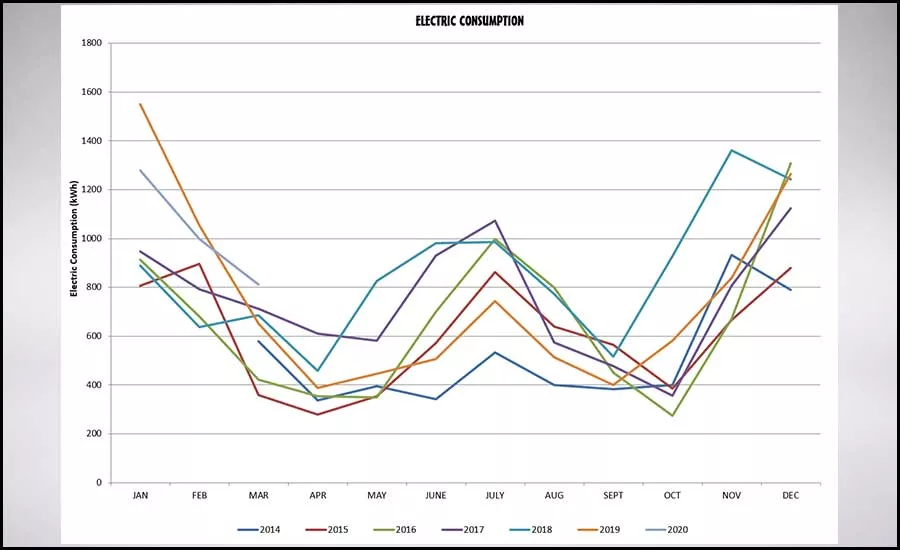
FIGURE 1: Electrical consumption for a small home. Images courtesy of Questions & Solutions Engineering Inc.
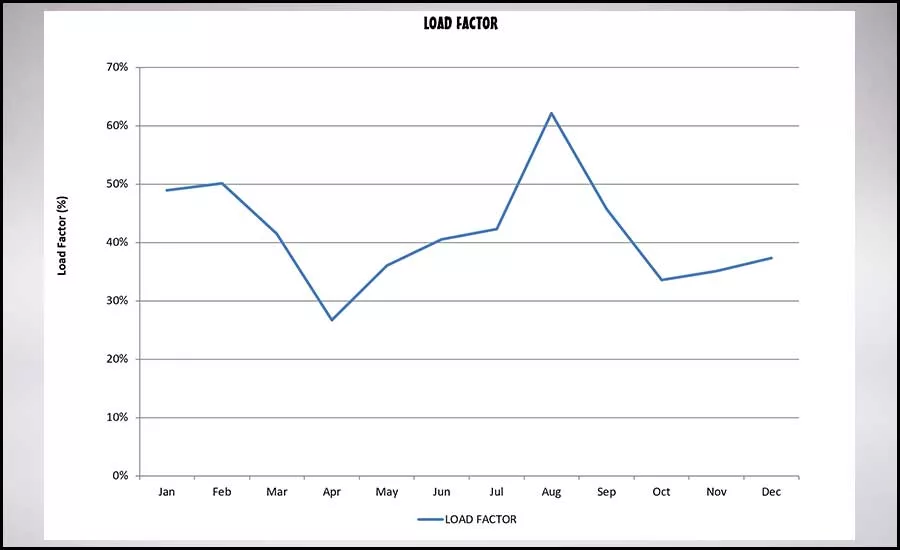
FIGURE 2: A load factor for an elementary school.
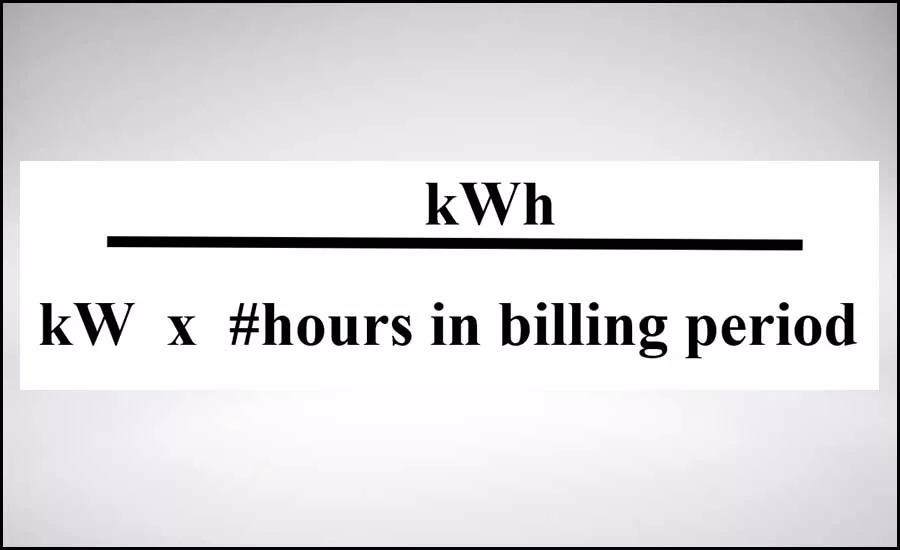
FORMULA 1: Load factor is defined as the ratio between the consumption (kWh) in a billing period and the theoretical peak consumption the facility would have used if it had operated continuously at its recorded peak demand (kW) throughout the billing period.
Historical energy use analysis has always been a retro-commissioning activity performed off-site. However, it is especially valuable for virtual retro-commissioning as a means of identifying potential energy savings opportunities without being in the building.
The quickest and easiest, and almost always applicable, analyses are base versus seasonal usage and load factor.
Base versus seasonal usage: Figure 1 is an example of electric consumption (kWh) data for six years, starting in March 2014 and ending in March 2020. This was for a small home in a four-season climate zone. In this case, there are clearly two seasonal “bumps” in the graph profile. This indicates an all-electric building, i.e., both winter heating and summer cooling is provided through electricity. That happens to be true for this home (heat pump system), but when performing a retro-commissioning analysis, we need to ask whether the profile is reasonable for each unique facility.
We also want to look at the base usage, i.e., the non-weather-related consumption, against the seasonal usage, i.e., the summer and winter peaks. Again, this is simply a “reasonableness” check based on what we have learned about the building, its schedule, and its occupancy from document reviews and owner/operator interviews (refer to my February and March 2021 columns).
In the case of Figure 1, the base usage is about 300 kWh/month versus peak summer and winter usage greater than 1,000 kWh/month (including the 300 kWh/month base). This was reasonable for the home depicted in this graph. If this were an industrial or institutional facility with high internal process loads, we would expect the base to be a higher percentage of the seasonal peak.
If the base versus seasonal trends we see in the energy history do not make sense for the facility we are studying, there are opportunities to look for energy savings. For example, if the base load is higher than expected, we should look for opportunities to reduce equipment operation or loads during unoccupied hours, retrofit the lighting systems, and/or adjust/fine tune system set points.
Load factor: If you are retro-commissioning a facility with both electrical demand and consumption meters, it is very easy to perform a load factor analysis. Load factor is defined as the ratio between the consumption (kWh) in a billing period and the theoretical peak consumption the facility would have used if it had operated continuously at its recorded peak demand (kW) throughout the billing period. Mathematically it is shown in Formula 1.
All three variables in the load factor equation can be determined from the monthly electric utility bills. Typically, the bills will provide “number of days in the billing period,” so it is necessary to multiply that by 24 hours to obtain the “number of hours in billing period.”
Load factor is a metric for determining if the building owner is getting the best value from the peak demand charges paid every month. A low load factor implies there are some relatively short-lived periods of high demand, but the rest of the time the total building demand is significantly lower. If it is possible to trim those short-lived peaks, utility costs (demand costs) would be lowered.
Trimming the peaks can often mean moving some of the loads to different times of day to level out the simultaneous demand for electricity. It may also involve staggered equipment start times and/or installation of variable-speed drives to allow for “soft” start of major equipment.
Figure 2 features a load factor graph for an electrically heated and cooled elementary school in a four-season climate.
The low load factors in the transition months are likely representative of only short periods of electric heat being required during the spring and fall. In this case, the owner may be able to reduce the unoccupied ventilation and space temperature set points to keep the nighttime (coldest outdoor temperatures) heating demands to a minimum.
Looking for a reprint of this article?
From high-res PDFs to custom plaques, order your copy today!