Solving the Built Environment’s Controls Conundrum

The processes of designing, installing, programming, commissioning, and operating control systems are often complicated and fraught with problems.
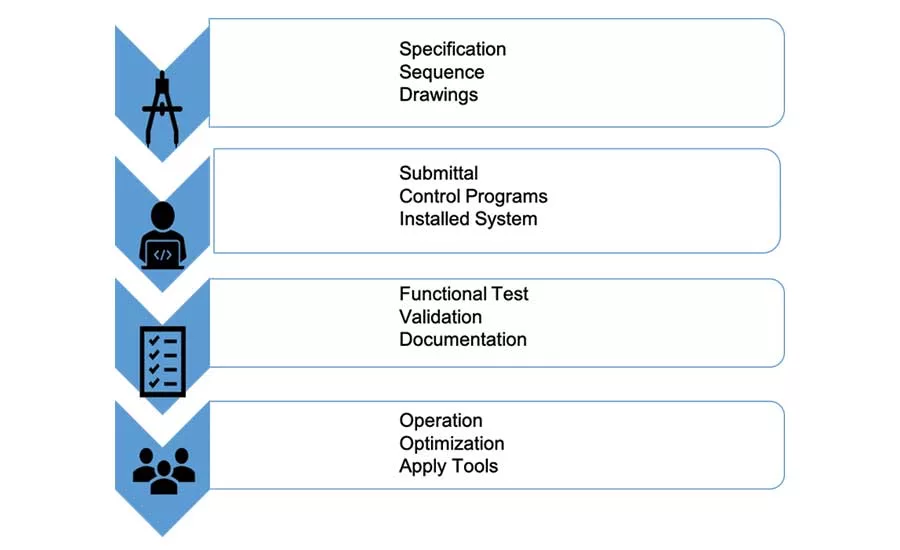
FIGURE 1. An example of a building controls design and delivery process.
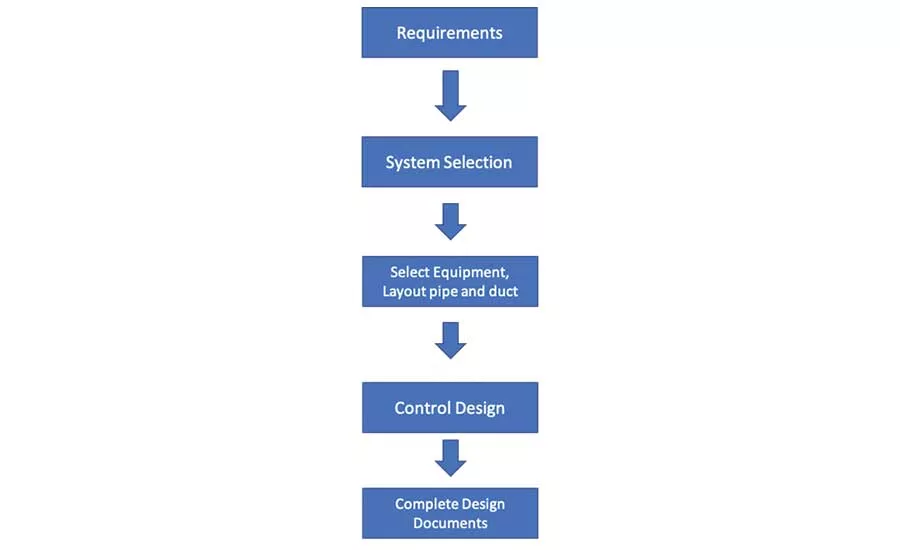
FIGURE 2. A conventional sequential design process.
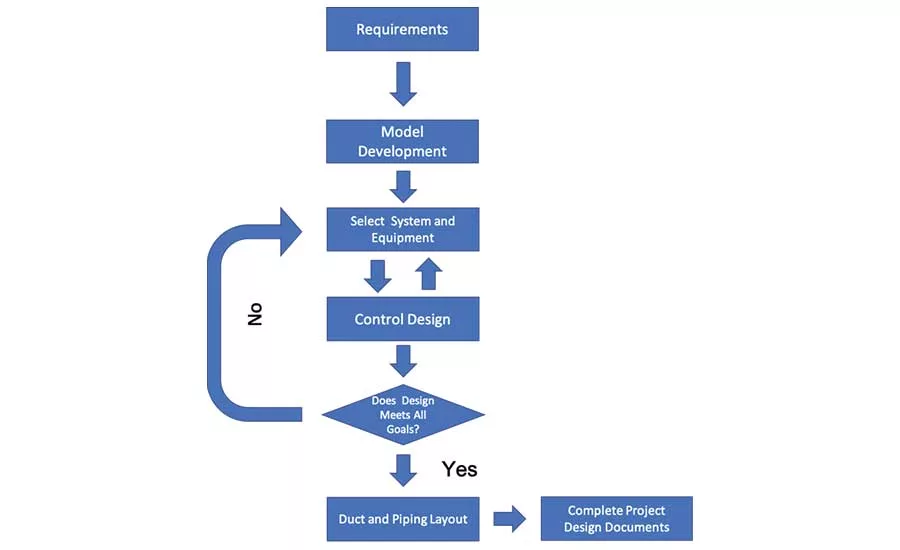
FIGURE 3. A proposed iterative co-design process.
Do you find that building automation and controls can be one of the most frustrating parts of a project? For designers, there may be a last-minute push to get the details for the specifications, points list, sequences, and diagrams completed before the project can go out to bid. Often, that means working with limited time and without enough hours available to put much effort into the design. Working with the controls contractor can be a challenge as well — from prices that exceed the project’s budget to problems with the products, design, and performance. After the project is complete, the owner seems to continue to complain that the controls don’t seem to work as expected. It seems like there has to be a better way to design and deliver controls.
If you can relate to this, you should realize you are not alone. The processes of designing, installing, programming, commissioning, and operating control systems are complicated and fraught with problems. In fact, in many ways, we are fortunate to have projects that work as well as they do.
CONTROLS DESIGN
Most HVAC systems designers have a deep understanding of what is needed to determine loads, size equipment, select equipment, lay out ductwork and piping, and prepare all of the necessary drawings and specifications needed for a project. But they often don’t have the same level of expertise when it comes to controls and, thus, may rely on a “friendly” controls contractor to help suggest sequences or provide a specification. It is not unusual for controls designs to be one of the last steps in the design process. That means it is done with little time left before it is “pencils down” and time to submit documents for review and bids. Designers also have few tools available to help design controls. Most rely on an existing library of specifications or sequences. We end up re-using what was used for previous projects and trust that, with some edits and tweaks, it will work well for the current project. Frankly, we don’t have the tools to be able to tell if a recommended control sequence or the suggested set points and values are right or wrong. Often, we depend on these details to be worked out by the control contractor or during the commissioning and checkout process.
CONTROLS DELIVERY
The controls design documents provided by the system designer (sequences, point list, diagrams, etc.) require significant interpretation by the controls contractor. The contractor initially evaluates the design with the intent of providing pricing. This effort is focused on determining what products are needed, estimating costs for wiring, programming, checkout, and warranty before going through competitive bidding. Once the contractor is selected, the company can start working on the details of the controls design that will be reflected in the control submittals. This process often includes selecting the valves, actuators, dampers, and other end devices as well as the controllers. This is all reflected in a series of submittal documents that are provided back to the system designer for review and approval. The contractor orders materials, manages the installation of wiring and devices, and coordinates its efforts with the other project contractors and subcontractors. Controls programming is typically done once equipment is in place, powered, and ready to operate, which occurs very late in the project sequence. The controls programmer is responsible to read through the sequence provided by the project designer and determine how to implement it in the control system. This is a very difficult and complicated process, which, unfortunately, is often fraught with chances to introduce errors during the process of manually interpreting a sequence into a program. The programmer may find there are issues with the sequence provided or with the designer, who may not be clear or a good fit for the project. Programmers may go back to code they used for a similar project and utilize that as a starting point for this new project. Most control programs provide some limited ability to test out programming before deploying it in controllers, but the real test comes once it is installed. During the installation process, the programmer and other controls technicians need to test out the logic to see if it works, tune the control loops, and verify that systems are up and running. The end result is a project that may or may not be representative of what was intended by the designer.
COMMISSIONING
Finally, the controls system goes into commissioning. During the commissioning process, the commissioning agent may review the controls design and carefully test and validate the controls system as implemented by the contractor. A series of reports, meetings, and changes ensue, and, at the end of the day, the system is finally considered to be complete. Not surprisingly, the end result may not be exactly what was intended by the system designer, and the owner may discover that the system falls short of his or her expectations.
PROCESS CHALLENGES
As you can see from what was described above, the entire process for the design and delivery of the control system has significant challenges that often end up with a control system that doesn’t provide the performance required for the project. Some of the key items to note are:
-
Complexity: Controls design is specialized and complex. Many designers are not trained in controls.
-
Design Tools: Designers do not have the necessary tools to test or evaluate controls designs.
-
Process Flow: The control system design is often completed near to the end of the design sequence, and programming occurs near the end of the construction process. For design, this means the designer may have limited time and budget but also that options for controls are not evaluated early in the design, potentially allowing for overall improvements in project efficiency and reductions in cost. The installing contractor also ends up doing some of the most important parts of its work under significant time constraints between when equipment is installed and powered and when the building is preparing for occupancy.
-
Document Clarity: The documentation provided for a controls design requires a significant amount of interpretation on the part of the controls contractor. This is especially true for the sequences where the programmer needs to read a verbose English language description and develop the necessary controls programming logic.
- Documentation and Training: The system designers and programmers’ intents for how the system should be operated are often not clearly communicated to the owner and their operations staff. The end result is owner and operator frustration with the system.
IS THERE A BETTER WAY?
The challenges associated with the design and delivery of control systems are long-standing. Changes in codes and standards and the need to have systems that provide improved energy efficiency and a healthy indoor environment further exasperate these challenges. Fortunately, these problems have not gone unnoticed. Control vendors have provided tools to their branches and system integrators intended to help them be more productive and efficient. This includes enhanced tools to document, troubleshoot, and program control systems. Contractors have also provided programs and tools for designers that range from assisting designers with writing sequences and specifications to providing online tools. Organizations such as ASHRAE have also been involved with the development of guidelines on how to write control sequences (Guideline 13) as well a recommended language for high-performance control sequences (Guideline 36). The efforts by vendors and the work completed by ASHRAE are all important, but they don’t really attempt to fix basic process issues.
The U.S. Department of Energy (DOE) has recently started work on a series of projects that are intended to provide a path to a more effective process for controls design and delivery. These research projects are in their early stages, but they have the potential to dramatically change how controls are designed and delivered and may lead the way to achieving improved energy-efficient and reliable buildings.
OPEN BUILDING CONTROL
The Open Building Control project is intended to improve the process of controls design and delivery by developing tools and standards that will digitize the process, starting with design through installation and verification. The concept is to start with new tools for the system designer that allows him or her to select from a library of high-performance control sequences or to develop his or her own sequences. The library includes sequences recommended in ASHRAE Guideline 36, “Best in Class HVAC Sequences,” as well as others. Sequences are developed in a control description language (CDL) that allows for them to be tested during design and also to be used as part of an energy simulation. Testing during design helps to minimize the need to make changes during the construction and commissioning process. The CDL file would be included as part of the control design documents. The contractor can use this file to prepare project estimates and complete its submittals. When it comes time to program the system, there is no need to interpret a written sequence document. The CDL can either be directly applied for use in vendors’ controllers, or it can be translated for use in legacy products. Additional tools allow the contractor, owner, and commissioning agent to verify the system is operating as designed.
Work on the Open Building Control project is underway at several of the DOE’s national labs. ASHRAE has just begun the work to define CDL as a standard in Project 231P.
CO-DESIGN
In other industries, including the design of aircraft, automobiles, and other complex systems, there has been a dramatic shift in how controls are designed. Instead of designing controls toward the end of the design process, design is being done as a continuous and iterative part of the process. This concept is called co-design and is the topic of a new DOE-funded project.
One of the initial steps of the design process would be the development of a complete energy model that includes the building envelope as well as all building systems and controls. This model would be used for the comparison and evaluation of design options, selection of systems and equipment, and design of control sequences or strategies. The design team might consider a series of iterations or systematic control co-optimization procedures using the model and various system options to help determine the system that would meet the owner’s goals for first cost, energy, health and safety, demand flexibility, and other factors. As the design evolves, the model would continue to be updated. Once the design is finalized, the model can be used to test the control sequence to find if there are any errors in the logic, stability, and output variables. The sequence can then be exported from the design tools in a format that includes a traditional written sequence, diagrams, points list, and a machine-readable version of the sequence that can readily be used by the controls contractor.
There are many potential benefits to the co-design process, including reduced system costs through optimized system selections and reduced installation efforts as well as optimized efficiency and performance of the system during the design phase. However, it also may increase the time, cost, and complexity of developing the system design. The use of the new tools and processes has the potential to lower these costs over time. Ideally, the additional value provided with the use of this process could be used to compensate the design team while reducing overall projects costs for the owner.
SPAWN OF ENERGY PLUS
The final DOE-funded piece is the next generation of its energy modeling tool, “Energy Plus.” The tool boasts a number of enhancements including updated programming tools. It is designed to more accurately model and simulate control sequences using a control modeling open standard called Modelica. Energy Plus provides the “back end” for calculating loads in several widely used commercial energy modeling programs and is widely used in the research community.
VISION
The three aforementioned programs are intended to have a high degree of synergy. Used together, they have the potential to dramatically change the process for design and delivery of control systems, helping to overcome many of the current industrywide challenges. The process would start with the concept of co-design, which means starting early in the process with models and other tools for the design of control systems. The modeling process could use Energy Plus or any other energy modeling program that supports controls. System designers would either develop their own control sequences using CDL or select from libraries of prewritten sequences and then optimize the control parameters to meet the specific needs of the building. During the design process, the operation of the systems would be simulated, allowing for potential issues to be resolved at this stage rather than during installation or checkout. The process flow then continues through installation and checkout, helping to eliminate much of the confusion and rework that exists in current processes. Note that when the project is completed, the owner takes over not only the building and associated systems but also gets a copy of the model and the simulation tools. This model is what is often called a digital twin and can be used as a tool for continued decision-making to optimize the performance of the building.
NEXT STEPS
While the concept of moving to a co-design process that is highly focused on detailed control design, modeling, and simulation has great potential benefits, it also has some significant challenges. Design teams often use some limited form of energy modeling on many projects, primarily to size and select equipment, but it is unusual to develop a detailed energy model. Developing a more detailed model that accurately simulates the envelope, systems, and controls is a more complicated and often time- and skill-intensive task. Being able to develop detailed control sequences that are expressed in CDL also requires some additional training and expertise. The research efforts related to these new concepts will develop tools that would simplify and automate many of these new tasks, but it may also require some added skills and changes to fees for system designers.
Perhaps this opens the door for firms to decide how they want to proceed. Some firms may elect to continue to be “full service” and focus on providing system design, modeling, simulation, controls, commissioning, and even construction services. Others may elect to focus on one area or another. For example, you might see firms that are just focused on HVAC design with others focused more on modeling and controls. Some of this work may even get spread out into the contracting community with the potential to have a firm that specializes in the design, installation, and operation of controls, moving toward a design-build model.
REFERENCES
• Department of Energy Co-Design Project: www.energy.gov/eere/buildings/co-design-hvac-controls-and-sensing-energy-flexible-buildings
• Department of Energy Spawn of Energy Plus: www.energy.gov/eere/buildings/downloads/spawn-energyplus-spawn
• Department of Energy Open Building Control: obc.lbl.gov
• ASHRAE Guidelines 13 and 36: www.ashrae.org
Looking for a reprint of this article?
From high-res PDFs to custom plaques, order your copy today!