Tactics for Improved Indoor Air Quality
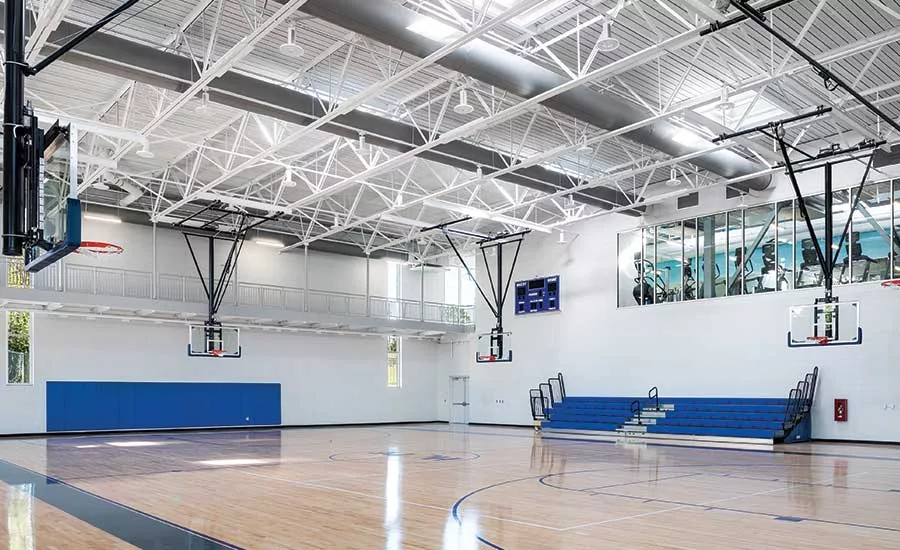
Figure 1. Schools, public buildings, and commercial facilities are evaluating how harmful air-particulate can be circulated by air poorly operating or insufficiently sanitized air distribution systems.
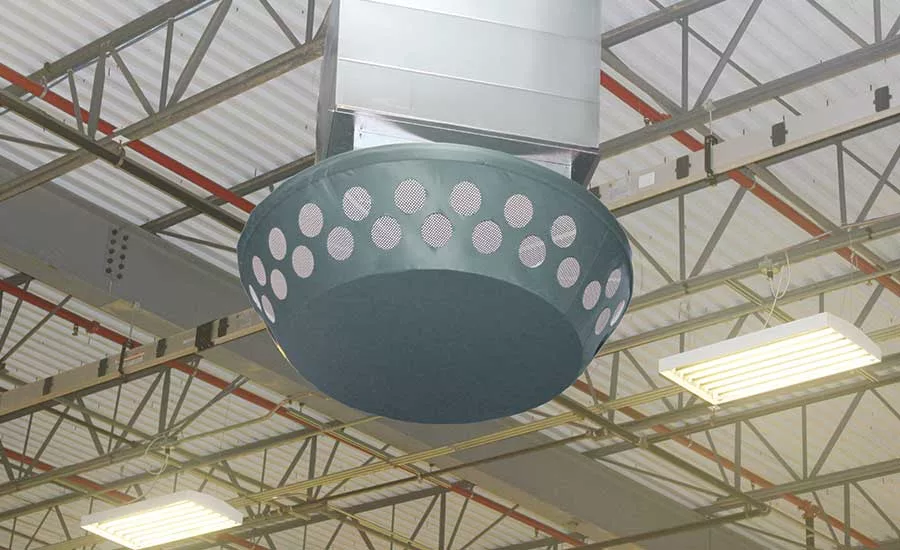
Figure 2. In the wake of the ongoing COVID-19 pandemic, facility managers are stringently evaluating their air filtration, ventilation, and exhaust systems like never before to improve overall indoor air quality.
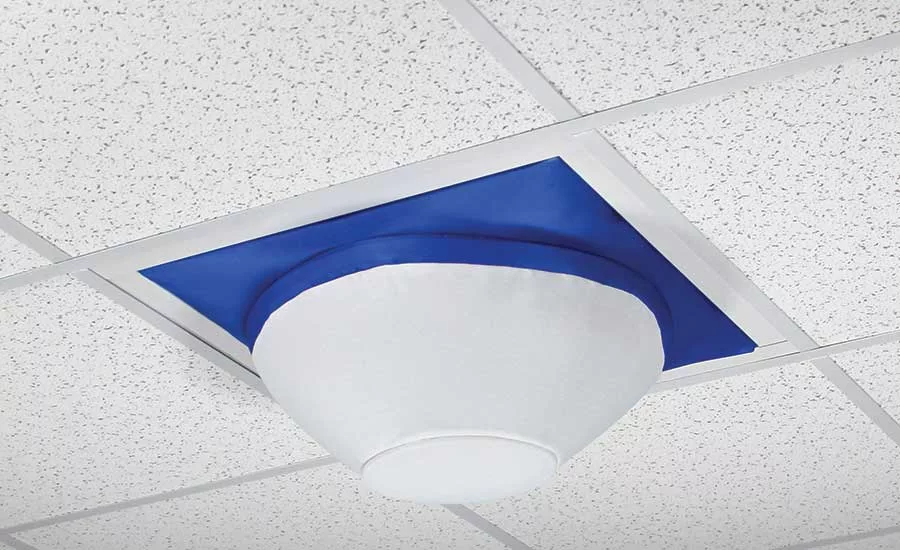
Figure 3. While HVAC systems with metal ductwork have traditionally been the primary solution for IAQ control, fabric dispersion systems, including diffusers, ductwork, and preventive material treatments, are now emerging that can supplement or even replace existing designs.
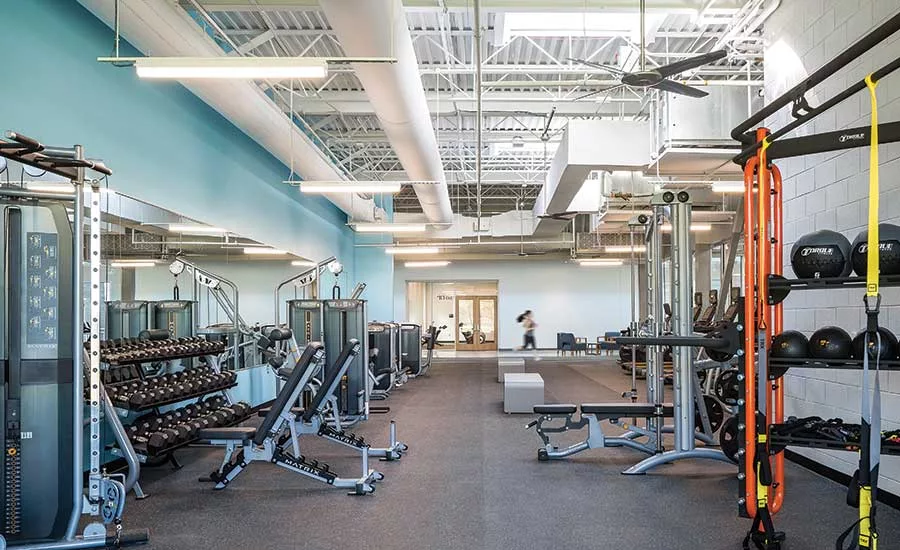
Figure 4. Fabric duct systems are particularly useful in commercial spaces that require temperature and humidity control, such as offices, clinics, and shared meeting spaces.
As employees, students, and other professionals return to commercial spaces, campuses, or health care facilities, a focus on healthy buildings is at an all-time high. In the wake of the ongoing COVID-19 pandemic, facility managers are stringently evaluating their air filtration, ventilation, and exhaust systems like never before to improve overall indoor air quality.
No matter the environment, facility managers can look toward trending tactics to understand, control, and improve IAQ.
IAQ Challenges
In almost all cases, temperature is the first consideration when addressing IAQ. Buildings that are uncomfortably hot or cold can drive people away and create ill-will among habitants. In fact, studies have repeatedly shown a connection between comfort and productivity with excess heat having a particularly negative effect. Extreme heat can even be outright dangerous, causing heat stress or heat stroke.
Airborne particulates, like smoke or dust, are another safety and health concern — and not just for critical environments, such as laboratories. Schools, public buildings, and commercial facilities are evaluating how harmful air-particulate can be circulated by air poorly operating or insufficiently sanitized air distribution systems.
Another key consideration of IAQ is airflow. According to a University of Nebraska study, turbulent air can lead to the spread of airborne disease. In these spaces, it can lead to hazardous breathing environments or even contribute to the spread of airborne disease. On the other hand, stagnant air can also cause mold- and condensation-related problems impacting both people and building equipment. This is of particular concern for heavily sanitized spaces where chemical and moisture particulate are readily introduced.
Clearly, IAQ is a multifaceted problem. While HVAC systems with metal ductwork have traditionally been the primary solution for IAQ control, fabric dispersion systems, including diffusers, ductwork, and preventive material treatments, are now emerging that can supplement or even replace existing designs.
HVAC and Ductwork
Most buildings with traditional heating and cooling systems have some type of duct system to distribute airflow throughout a building. Ductwork systems encompass airflow that is mixed with fresh, filtered, and conditioned air (heated, cooled, humidified, dehumidified) and introduced back into the space. Fresh air requirements are more critical, as ASHRAE 62.1 identified the amount of fresh air required based on the type of environment. Similar to urgency for temperature, mixing this “fresh air” into the space is important to ensure a healthier environment.
There are many types of ductwork systems. They may use a variety of shapes and can be made from a wide range of materials, including flexible plastics, fiberglass, or — most commonly — metal. Recently, facility managers have opted for fabric ductwork alternatives for a variety of reasons.
Fabric Ductwork’s Direct Impact
The fabric makeup of these ductwork and diffuser systems provide clear benefits over traditional metal options.
Fabric ductwork/diffuser systems use air-porous and/or strategic perforations to diffuse air evenly across the entire length of the ductwork system. This full-length diffusion eliminates the hot and cold spots created by localized diffusers in traditional systems, which may be placed many feet apart.
Conventional metal systems with high-volume diffusers also suffer significant performance differences from heating to cooling due to buoyancy and volume of changes.
Fabric duct systems are particularly useful in commercial spaces that require temperature and humidity control, such as offices, clinics, and shared meeting spaces. Minimizing harmful, turbulent air, which can spread illness, is possible with fabric systems that produce soft-moving air by way of more exchanges. Although no ductwork will eliminate airborne particles, fabric ductwork can help reduce the active spread.
Fabric options are also becoming popular in hotel or university fitness centers and pools, where moisture from chlorinated water, group workouts, or even chemical washdowns may cause metal ductwork to degrade. In a worst-case scenario, this degradation creates “rust rain.” As the ducts oxidize with chemical particulate, metal shed falling from ceiling-mounted equipment can infect people or equipment below. Anti-shed fabric options won’t do this.
The light weight and flexibility of their fabric also makes fabric duct systems less expensive and easier to ship than metal ductwork as well as requiring significantly less time to install. Considering the budget reality of many businesses mid-pandemic, these reduced costs are often a big benefit.
Unlike metal, fabric ductwork systems are immune to scratches and dents, and since they don’t have resonating properties, like metal, they perform quietly. These functional benefits are capped off by customizable branding opportunities for color and logo options for the fabric ducts to improve both IAQ and building aesthetics.
Fabric ductwork offers superior hygiene and sanitation benefits for all environments. Even with strict cleaning procedures, metal ductwork can harbor harmful bacteria, mold, and other particulate. Whether that’s inside the duct itself or on the exterior in hard-to-clean locations (i.e. mounting equipment, hardware), a deep clean is often not possible. Fabric ductwork, on the other hand, are designed with zippered sections for easy removal and cleaning. These sections can then be vacuumed or laundered and are sized to fit into most industrial washing machines.
Fabric Diffusers and IAQ
Fabric diffusers are readily implemented in spaces where air distribution is necessary but ductwork isn’t an option.
In applications that require low velocity airflow, a directional displacement diffuser is an option. Engineered to create optimal airflow patterns, the 360 degrees of even air dispersion is designed to not disturb particulates that may reside on surfaces, such as allergens or chemicals that should not be introduced to people or contents in the space.
Laboratories and health care facilities are readily implementing fabric diffusers. Due to the necessary and rather bulky equipment in these types of space, which limits the space for ceiling-mounted fabric ducts, fabric diffusers are designed for applications with fume hoods or other airflow-sensitive environments. Air passes through specialized fabric panels, resulting in uniform, low-velocity, radially diverging air patterns with little — if any — turbulence. Anti-microbial and flame-retardant fabric treatments are also becoming industry best practice to reduce risk in critical environments.
Large commercial buildings have also found ceiling-mounted diffusers as viable retrofitting options. Due to budget or space constraints, the centralized fabric diffuser can be added to existing air distribution layouts to offer complete air coverage with 360-degree, air-porous openings.
Takeaways
While IAQ has always been a concern for facility managers, an elevated focus on building and user health has presented a host of challenges in 2020. It’s now more important than ever that buildings are operating with the highest levels of air filtration, ventilation, and exhaust systems. Fortunately, there are a range of new tactics and tools available to address IAQ in a flexible, space-specific manner. While improving cleanliness, comfort, and space customization, facilities that understand IAQ challenges and implement these new solutions will see direct benefits to their bottom lines.
Looking for a reprint of this article?
From high-res PDFs to custom plaques, order your copy today!