Today's Boiler | May 2020
Preventative Maintenance on Boiler Fans
An ounce of prevention is worth a pound of cure.
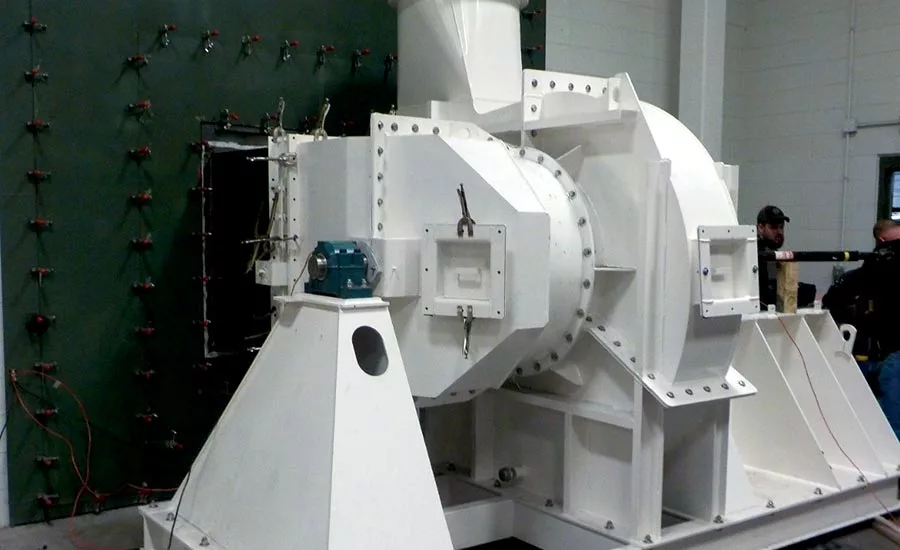
Figure 1: A typical direct drive arrangement 7 centrifugal fan undergoing air performance testing in an AMCA-accredited laboratory.
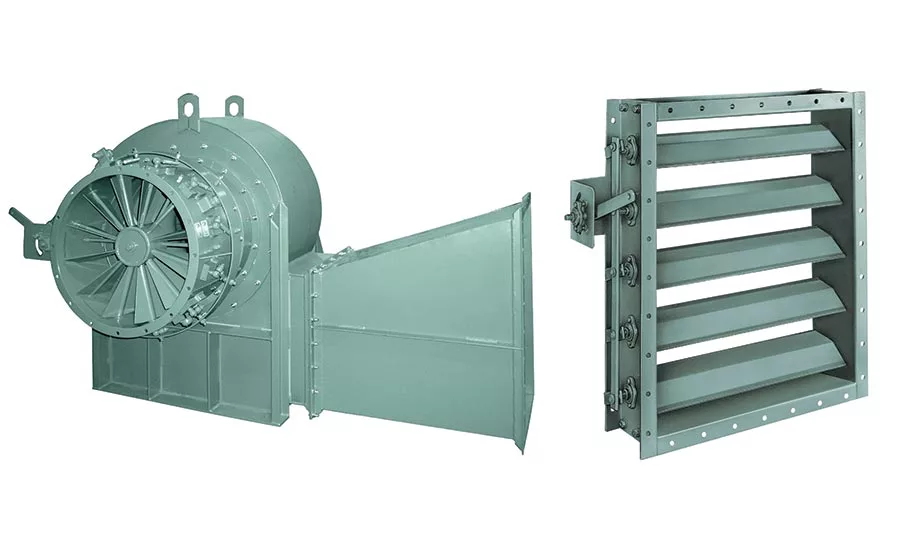
Figure 2A (above, left): A fan variable inlet vane (VIV) with all the blades in sync. Figure 2B (above, right): A fan inlet parallel blade damper with all the blades in sync.
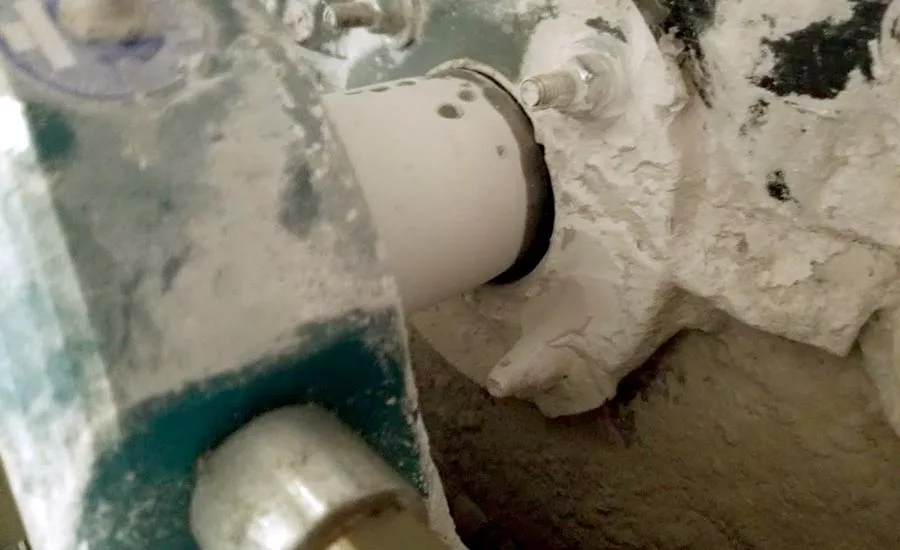
Figure 3: A worn fan shaft seal.
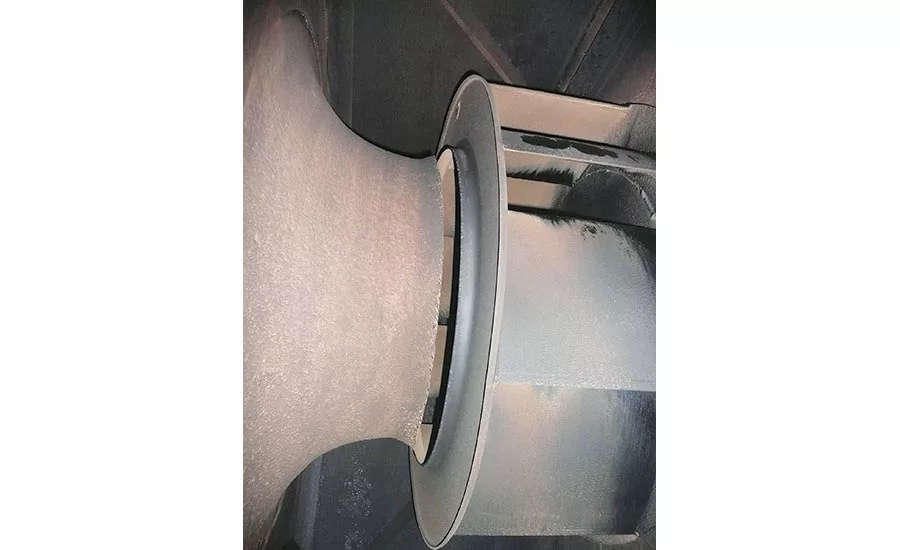
Figure 4: An incorrect setting of the inlet cone to the impeller.
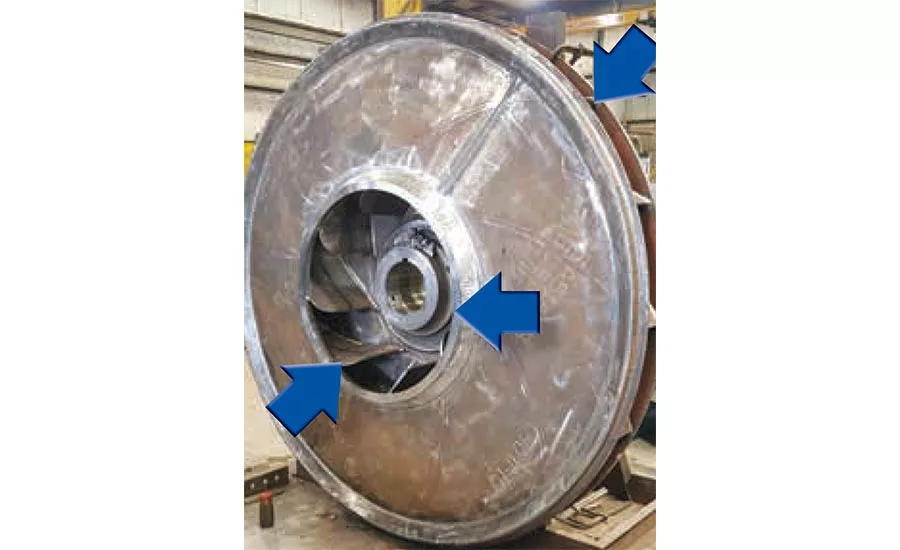
Figure 5: Here are the most common areas to look for cracks in the impeller.
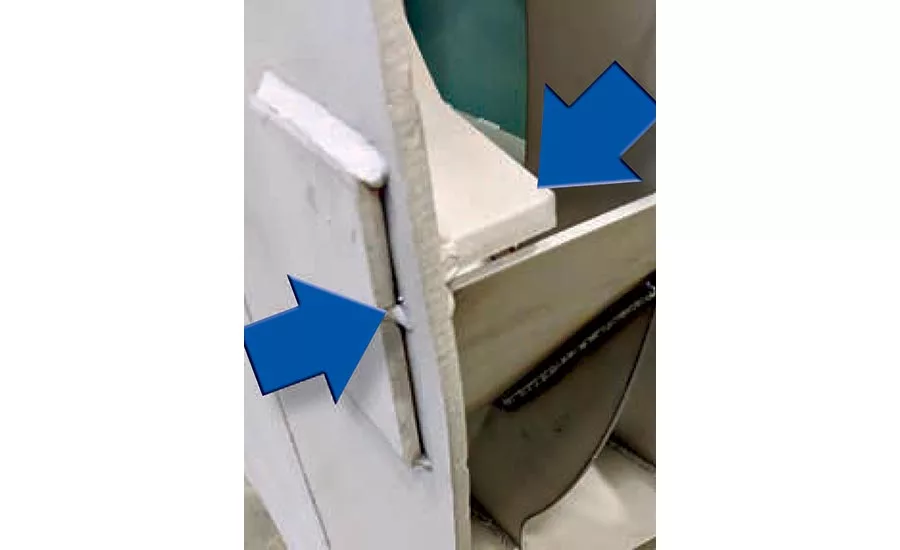
Figure 6: An incorrect balance weight attachment.
The quality and frequency of maintenance for fans and blowers are just as important as the quality of their design, manufacture, and installation. Just as we sometimes forget to maintain our own health and well-being due to our busy schedules, we tend to neglect the less obvious maintenance requirements of the fans on boilers. The fans are moving fast, doing their jobs; and, as with our own bodies, we might tend to fall back on the old, “If it ain’t broke, don’t fix it” adage. Unfortunately, there could be some “silent” killers working on your fan, robbing performance and moving the fan closer to an unplanned shutdown, which would kill the boiler(s) and the necessary flow of the hot water and/or steam.
The size and application range of boilers and their required fans vary widely. For simplicity, our focus will be on arrangement 3, 7, and 8 direct drive centrifugal fans on boilers up to 500,000 steam lb./hr. or approximately 150 MW as shown in Figure 1.
The fan manuals from each fan manufacturer usually have a list of items to maintain on the fan. Some of these include the change and relubrication of the fan and motor bearings, couplings, actuator, and damper linkage(s). Maintaining a record over time of vibration and temperature levels for both the motor and fan bearings makes it easier to identify possible bearing, coupling, and alignment issues.
There are some less obvious aerodynamic and mechanical maintenance inspections that should be performed to avoid the loss of performance and/or lead to a fan shutdown.
Inspections for aerodynamic issues
The dampers or variable inlet vanes (VIV) have bearings and/or bushings that may need to be inspected. Many times, the lubrication for these bearings is neglected or the bushing fails and the damper blade shaft becomes stuck and will not rotate. This will cause one or more of the damper blades to become out of sync, degrading the performance of the fan and causing excessive noise. Additionally, out-of-sync blades can introduce aerodynamic disturbances that can cause the blade to vibrate, break, and enter the fan, resulting in a system failure. A regular inspection inside the duct or fan to ensure these blades are in sync with each other can save wasted money on power usage and may prevent a fan shutdown. Figures 2A and 2B show a VIV and fan inlet damper with all the blades in sync.
The shaft seal(s) on the fan at the point where the fan shaft enters the housing on arrangement 3, 7, and 8 fans wear over time and will allow air leakage. This will also degrade the performance of the fan and cause excessive noise to leak from the inside of the fan. Figure 3 shows a worn fan seal allowing air leakage.
The inlet cone to an impeller wheel may become out of alignment or wear, allowing for a recirculation of the air inside the fan. The inlet cone must always penetrate the impeller inlet and have the proper radial clearance (gap) between the impeller inlet and inlet cone. A gap will cause the fan to underperform. Figure 4 shows an inlet cone (stationary part) approximately 1 inch (25 mm) separated from the impeller wheel. This is an incorrect setting for the inlet cone. The cone should penetrate into the eye of the impeller per the manufacturer’s recommendation.
The baffles inside a fan silencer may corrode or wear and then collapse. This blocks the airflow into or out of the fan, degrading performance and increasing fan noise. Plus, if deterioration continues on the fan inlet silencers, parts of the silencer baffles can break off and enter the fan, possibly destroying the impeller.
Inspections for mechanical issues
It is recommended to check for cracks and wear on the impeller wheel every year, especially on older fans that may be reaching their fatigue life or on fans moving a large dust load. If you find cracks or worn sections and want to repair them in the field, obtain the weld procedure from the fan manufacturer. It is very common to use high-strength steel that requires special welding. Cracks in the impeller or severely worn parts can be very dangerous; they should be repaired, or a new impeller wheel should be purchased as soon as possible. Figure 5 shows three of the most common areas to look for fan impeller cracks and wear.
- The blade tips next to the backplate/centerplate and side plate;
- The blade nose next to the backplate/centerplate and side plate; and
- The inlet nozzle (eye) of the impeller.
Larger fans tend to have vibration and temperature detectors on the fan and motor bearings to give an early indication of potential problems. However, there are instances where these devices are not providing the correct readings. Vibration and temperature detectors and switches can be mounted incorrectly or accidentally moved during routine maintenance and operation. The result could be incorrect reporting values. The values indicated may be lower than the actual value, leading operators to a false sense of security and reducing their time to react when the values climb toward alarm and shut-down conditions. It is recommended during normal fan operation to verify the readings of the permanently mounted detectors against those provided by a portable device to ensure the permanent devices are working properly.
All fans will need to be balanced at some point during their life. Operating the fans at the vibration levels suggested in Air Movement and Control Association (AMCA) 204 or International Organization for Standards (ISO) 10816 will extend the life of the fan and prevent shutdowns. However, the placement and attachment of balance weights on the impeller wheel may do more damage in the long term than slightly higher vibration levels. The placement and welding of the weights need to be per the fan manufacturer’s recommendations. Figure 6 demonstrates an incorrectly placed spot weld on a balance weight in the heat-effected zone of the backplate, which could lead to the development of cracks in this area. This picture also shows the placement of a balance weight (on edge) in the airstream of the impeller. This will degrade the performance of the fan and cause it to use more energy, resulting in increased operation costs.
As communication is one of the keys to the long-term maintenance and health of your body, it is the same for boiler fans. Any questions, concerns, or uncertainties on the maintenance of fans are best answered by rotating equipment specialists.
Looking for a reprint of this article?
From high-res PDFs to custom plaques, order your copy today!