Using the Indoor Environment to Contain the Coronavirus
An engineering lesson gone viral.
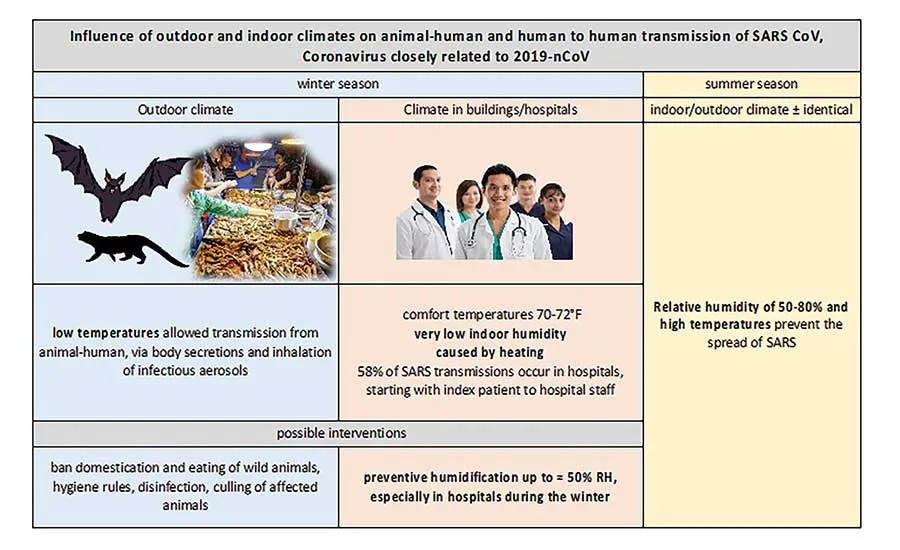
FIGURE 1. Edited from original by Walter Hugentobler, MD, Switzerland
Outbreaks of viral infections are unpredictable. We are currently dealing with one caused by a virus labelled COVID-19 which originated in Wuhan, China. This virus is a newly emerged subtype within the large family of Coronavirus and bears the characteristic spiky projections that give it a crown-like appearance and hence the name Corona. Diseases caused by Coronaviruses vary widely in severity, host animals, and transmission routes. In humans, Coronaviruses cause illnesses ranging from the mild common cold to more severe ones, such as MERVS, SARS and now COVID-19.
This variability in diseases highlights an important characteristic of the Coronavirus, known as a RNA virus, and all viruses with this type of gene code reading. History confirms infectious epidemics are primarily driven by the frequently and rapidly mutating RNA viruses. The most commonly infected animals are camels, cows, cats and bats. Yet, as this COVID-19 outbreak illustrates, a mutation in the virus allowed infections to cross species boundaries and spread from animals to people and now from people to people.
How do Coronaviruses mutate to create subtypes that infect new hosts and result in unpredictable outbreaks? The answer is that Coronaviruses are careless replicators. Instead of faithfully transmitting genetic information to create identical offspring, they make frequent gene-reading errors that result in mutated later generations. While gene-coding errors are common in viruses, bacteria, and even in humans, most organisms have built-in proof-reading mechanisms that repair or delete such mistakes. Coronaviruses lack this step, so the genetic misreads persist to increase both viral diversity and cause new diseases. When the mutation allows the virus to infect new hosts, such as humans, or persist in previously hostile environments, such as airplane cabins, the disease spreads quickly.
While this is interesting, you may be asking yourself, “Why does this matters to the HVAC industry and to me?”
Faced with the possibility of a viral pandemic, medical interventions, such as vaccines and anti-viral medications, are generally the focus for containment. Unfortunately, these take an average of four to six months to produce, which leaves little chance for slowing the spread of an unexpected viral pandemic. Thankfully, there are other inexpensive yet effective actions we can take. This is where your work in managing the indoor environment becomes critical.
We have known for decades that Coronaviruses can spread by directly touching an infected person or his or her secretions. New information has emphasized the importance of another route of disease transmission, that of indirect contact through contaminated surfaces and infectious aerosols. This means IAQ, type of surface material, and disinfection can effectively increase or reduce disease spread. This conclusive evidence is an important departure from traditional models that ignore pathogens in the environment and places management of the built environment in the very center of disease control.
One aspect of IAQ that is clearly associated with increased RNA virus infectivity, transmission and disease severity is low relative humidity (RH).
Research on influenza shows, surprisingly, a higher inactivation rate of the virus on porous surfaces when compared to stainless steel. In fact, influenza survived the shortest amount of time on hands. Infectivity inactivation rates were fairly insensitive to temperature, however, were sensitive to changes in RH with increased virus survival when RH was less than 40%. (Kraay et al. BMC Infectious Diseases. 2018. 18:540.) Additional experiments on Coronaviruses and other RNA viruses yielded similar data that correlated high survival and infectivity with low RH. (Casanova et al. Appl. and Envir Microbiol. 2010. 76:9, 2712–2717).
In addition to increased virus survival and infectivity in RH less than 40%, infectious aerosol droplets shrink to miniscule diameters and stay in the airborne environment longer, being transmitted by air currents over substantial distances. Furthermore, the smaller the droplet, the deeper the penetration into the human lungs, and the more severe the illness. Finally, we now know the first response immune defense in mammals is impaired in RH of 20%, yet robust at 50%.
Humidification has been shown to reduce viral infectivity in a number of settings, including hospitals, schools, day care centers, long-term care facilities, transportation vehicles, and in homes.
While microbiologists work to develop more effective vaccines and anti-viral medications, we can act now to reduce Coronavirus infectivity in our buildings. Why wait?
Looking for a reprint of this article?
From high-res PDFs to custom plaques, order your copy today!