Polypropylene Growing in Popularity for Chiller Engineers
Polypropylene piping’s versatility, light weight, and simplicity is making it a popular choice for chiller engineers/designers.
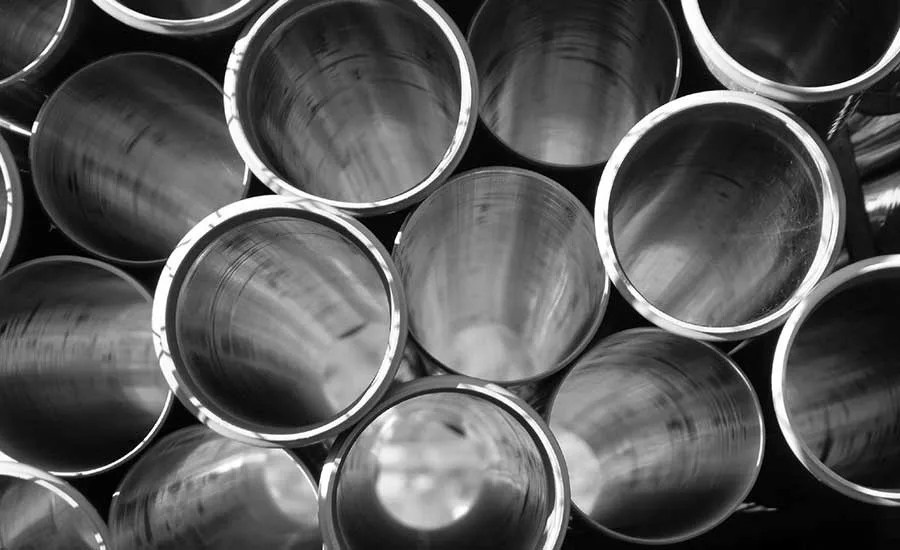
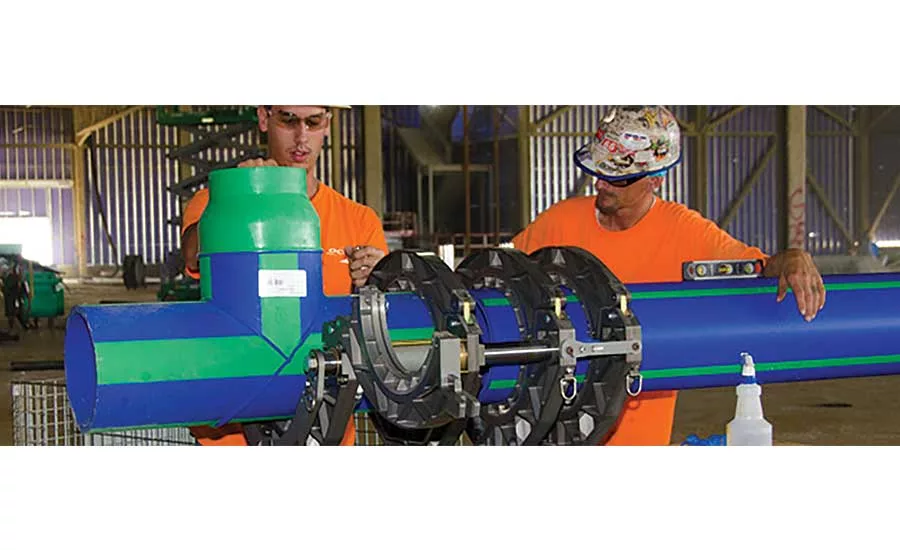
FIGURE 1: Polypropylene pipe is clean, lightweight, and easy to work with. Specialized tools ensure virtually leak-free heat fusion connections on every job.
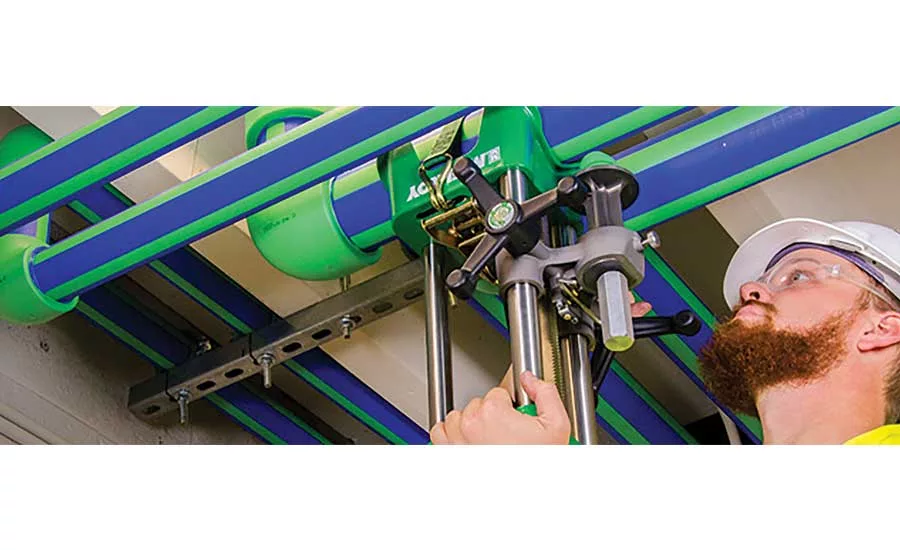
FIGURE 2: Versatility is a hallmark of polypropylene pipe. It can be worked on overhead or in tight spaces that would make welding difficult or impossible.
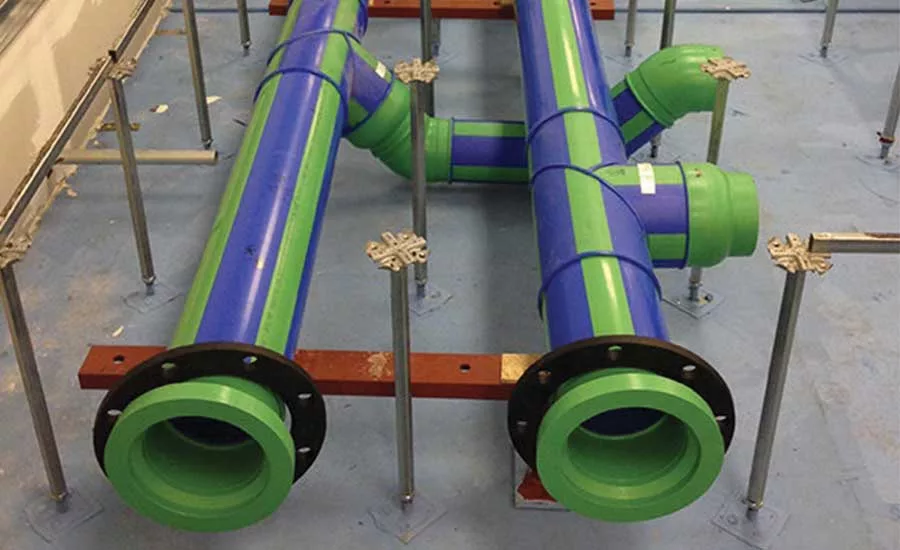
FIGURE 3. Polypropylene pipe is available in a variety of sizes, making it suitable for virtually any chiller project.
By its very nature, the engineering profession is based on the constant search for new and better ways of accomplishing a task; however, there also is a well-known human tendency to “do things the way we’ve always done them.”
Engineers who design and specify chiller systems find themselves squarely in the center of these two worlds. Chiller system engineers may be well-versed on the latest advances in chiller and cooling tower technology but may be unaware of the best options for their customers when it comes to another critical element of the system — the piping. A tendency to specify steel or copper by rote is understandable, as (despite their shortcomings) those are the piping systems that have been used in chiller systems for generations. But there is another option.
Looking for a reprint of this article?
From high-res PDFs to custom plaques, order your copy today!


