Contemplating the Effectiveness of Energy Conservation Incentives
Like the automotive industry, perhaps it’s time for building incentives when it comes to health and safety.
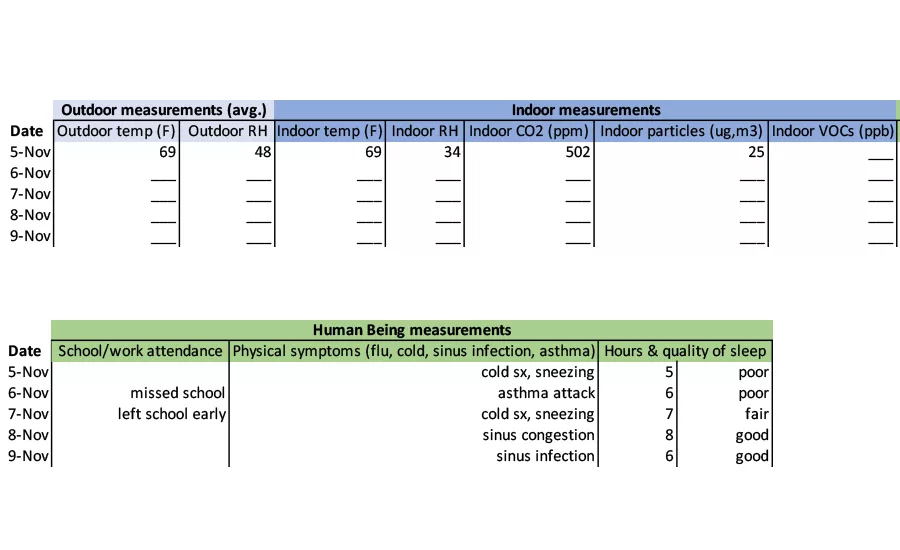
Figure 1.
Imagine this scenario: You decide to buy a car for your family. Deciding on a certain model, you carefully read the safety specifications. You learn that it gets X miles per gallon during highway driving and Y during city driving. You meticulously research the initial cost and resale value. Yet, is this all you are interested in? You would certainly (you’re an engineer, after all) want to know the safety specs in the event of an accident. On a treacherously slippery road, would your family survive a collision with another car or truck?
For most of us, our health, and the health of the people we care about, is our No. 1 priority. Thankfully, there is already an abundance of data on human safety in cars, and the research is well funded and ongoing. In fact, there are now advanced crash warning technologies that have the ability to prevent crashes by warning drivers of the need for corrective action before an accident occurs.
Now, imagine this scenario:
You decide to buy a building to house your growing family or business. After locating an appealing building that is for sale, you research the fuel and water suppliers and costs, inquire about past energy consumption during all seasons, and appraise the real estate values of the surrounding buildings. What is missing from this collected data? Have you acquired IAQ measurements and concomitant health and productivity records of the previous occupants of this building?
The answer will be no because this data is not considered a building performance metric and is therefore not collected. Yet, these metrics will have the biggest impact on your family or business’s profits. Occupants are people who deserve to have health-promoting IAQ. The 2011 report from the International Conference on Green Buildings and Sustainable Cities stated that poor IAQ is a driver in 68 percent of all diseases, including skin disorders, hair loss, general fatigue, memory loss, infertility, leukemia and other cancers, respiratory diseases, and chronic inflammatory diseases.
Exactly how lopsided is the current focus on building economics? Very! A quick search for energy programs revealed 3,686 rebate and assistance programs through the U.S. Department of Energy alone. Unfortunately, these rebate programs only provide quantifiable savings for building design, material, and operating systems that reduce building energy consumption.
Improving health and productivity could provide an even higher economic value. In commercial buildings in 2015, the ratio of salaries to energy costs of an average business were approximately 100:1. This means that profits from a 1-2 percent improvement in productivity would far exceed total energy costs. To be fair, there is data connecting occupant wellbeing with acoustics, lighting, views of nature, and specific materials known to cause health problems (i.e. lead paint). These studies, however, focus on predetermined building elements of interest to the researcher. A more comprehensive approach, and one which has the potential to reveal new associations between IAQ and health, is to simultaneously track multiple measurements of IAQ and occupant health.
The first step in revealing more connections between IAQ and human health is to gather data. We can do this ourselves at a grassroots level. Unlike the automobile safety industry, where we would have to drive our car into a wall to get collision statistics, we all have human bodies amenable to safe data collection.
See Figure 1 for how this research log might look. Working together, we can advance the science of buildings and health, eventually adding national and international Leadership in Designs for Occupant Health (LIDOH™) certification, assistance programs, and rebates to the long list of energy conservation incentives.
Looking for a reprint of this article?
From high-res PDFs to custom plaques, order your copy today!


.webp?height=200&t=1598547964&width=200 "lead-900x550-(1).jpg")