Modular Boiler Plants: How To Make Them Deliver
A boiler plant that is constructed off-site and shipped offers some unique advantages for the design and construction process — and sometimes for the longer life of the facility, too. As you might imagine, the strategy also involves some unique engineering obligations and responsibilities along the way. Learn the essential components for getting high quality performance from a modular project.
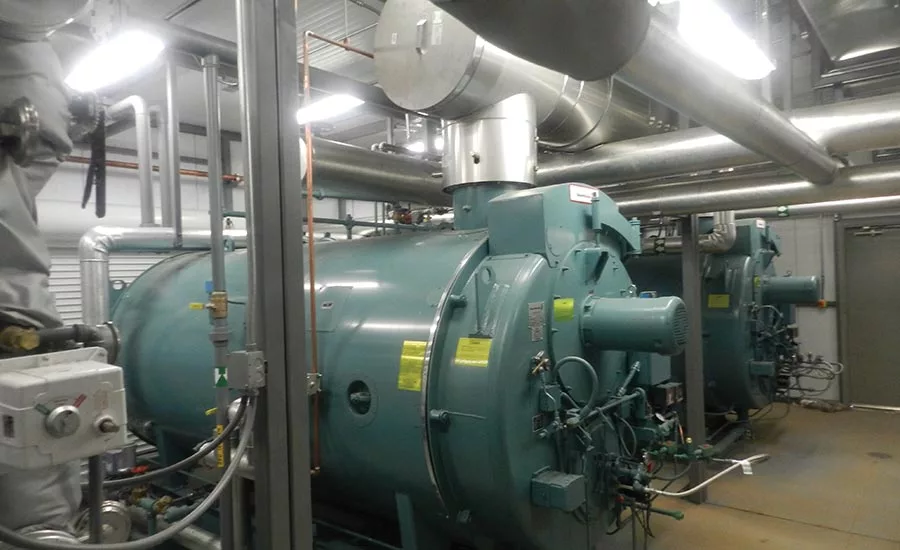
FIGURE 1. Highland Community Hospital modular boiler plant.
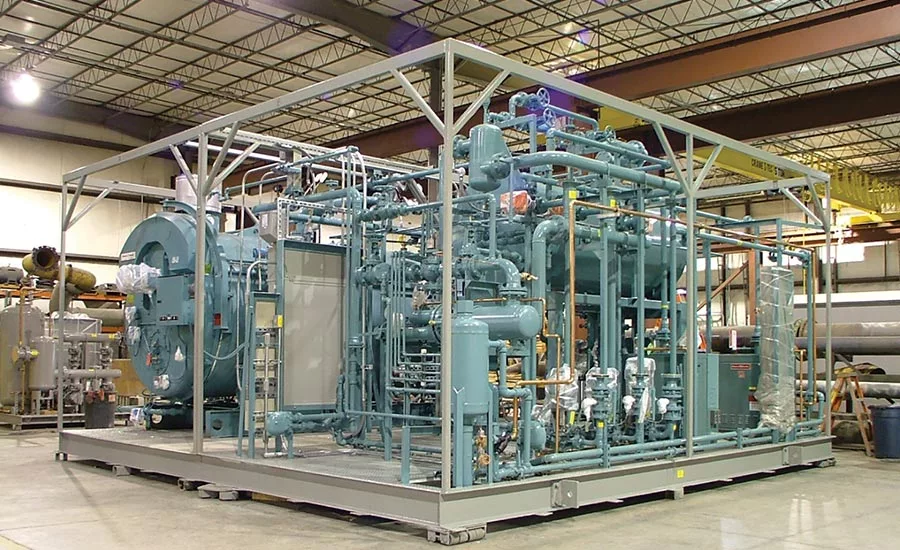
FIGURE 2. Modular boiler plant on the factory floor. (Photo courtesy of Systecon)
A boiler plant is a vital component of most hospital infrastructures, as well as a significant first and long-term cost. Typically, the boiler plant is included with the chiller plant. Sometime it is its own building designed as part of a new health care project or it becomes a major project on its own when it needs to be expanded or upgraded. This is one area, however, where going modular may be a no-brainer.
The new central modular boiler plants have many advantages when compared to traditional central boiler plants. For example, they can be built off-site, which reduces construction time and disruption; they are also customizable and easily scalable to meet changing demands, which ensures you don’t under- or over-build capacity. They can also reduce operating and maintenance costs by improving efficiency and reliability.
Of course, the matter is more complex than just simply buying and plugging it in. Key design considerations are necessary which combine engineering design with manufacturer expertise. Additionally, the engineer needs to be experienced in the design and decisionmaking processes needed to ensure you choose the right central boiler plant components, and that they are organized and controlled in a cost-effective, maintainable, expandable configuration. This article will discuss the key recommendations that are necessary to create a modular central boiler plant that is well designed and constructed to meet its intended use.
As a lead design engineer, I have utilized modular central boiler plants on several health care projects, the most recent being the Highland Community Replacement Hospital in Picayune, MS. The utilization of this type of plant led to innovations in central boiler plant design and dramatic reductions in first costs for the community hospital. This was not an easy sell to the owner and the facilities team because they are used to seeing a plant as part of their building structure.
With a fixed Certificate of Need (CON) and lack of medical program space to accommodate a central plant, the hospital in-house design team had to welcome strategies to ensure that the hospital was constructed to meet its intended use without compromising the CON medical space requirement and budget costs. Furthermore, the facilities team welcomed the idea in having the boiler plant external of the building which minimized the amount of maintenance for their team.
The modular central boiler plants have many advantages when compared to traditional boiler plants that are installed in the hospital:
-
They can be built in factories, thereby reducing construction time that is associated with stick-built plants.
-
They are scalable and customizable to meet the ever changing hospital demands, ensuring you do not over-build your steam capacity.
-
They can reduce operating and maintenance costs by improving efficiency and reliability.
-
The gross square feet (GSF) does not contribute to the CON program GSF calculation.
The design process for a modular plant is different from the traditional design approach and requires the ability to understand the installation of a system of this type. There are also several challenges in ensuring that the installed system meets the design intent. Additionally, if the hospital decides to utilize steam as the main heating source, the design of a steam system is much more intricate than that of a gas-fired hot water boiler system. Whatever choices are made for the heating source, going modular will allow several advantages when compared to stick-built design.
Advantages of a Modular Central Boiler Plant
Lower space requirement. Since the modular boiler plant is not a part of the building, it will not contribute to the net gross area of the hospital. Therefore, the client is permitted to fulfill department space requirements without compromise.
Scalability. The stick-built boiler plant for hospital projects are typically constructed to anticipate future demands. As such, they generally occupy more space than what is actually required for the initial use. Conversely, the modular boiler plant is built in modules and the hospital can easily add modules as the hospital grows or the demands for steam or hot water increases.
For example, Highland Community Replacement Hospital was designed to be a 60-bed facility day-one, with plans to expand to 120 beds in the future. While the central modular boiler plant was designed to meet the requirements of a 120-bed hospital, only modules with a capacity to serve day-one loads were installed initially. The complete modular steam boiler plant includes three boilers and three hot water pumps. The day-one installation comprises two boilers and two hot water pumps along with the supporting accessories. Thus, the upfront capital costs are only spent on the equipment and associated enclosures that are needed to support day-one loads.
Lower installation cost. The cost of construction of a modular plant has been found to be 10-15% less than conventional stick-built boiler plants. This cost is usually achieved when both the chiller and the boiler plant are co-located in the same modular central plant.
Easy field installation. The system has a single-point hydronic, electrical, and control connection, which requires less site coordination during the construction process. The plant is usually already factory-tested for performance at this point, which reduces the troubleshooting that is usually required for onsite plant installation.
Faster project completion (reduced lead time). Since the plant is assembled and tested in the factory, it can be transported to the site and re-assembled at a faster rate than building a traditional stick-built plant. If designed and procured correctly, the plant can be delivered to site in advance of the building being completed, thus allowing a huge reduction in construction duration.
Single-source responsibility. The entire plant is provided by one manufacturer, thus lowering the risk to contractors, designers, and the owner. The manufacturer is responsible for the onsite installation and connection to the hospital. The whole plant will be under warranty by the manufacturer for a year, which will allow the maintenance staff ample time to fully troubleshoot and optimize the performance of the plant.
Cost of operation. The central modular boiler plant can be provided on a design-build or design-build-operate-maintain basis which may or may not include third-party ownership. This unique arrangement allows the owner to shift performance risk to the manufacturer, and can be used to ensure the long-term integrity and performance. Using the lease arrangement permits the hospital to focus on its core business and can decrease operating costs.
Challenges encountered when using Central Modular Boiler Plants
Inexperienced Designers. The central modular boiler plant is relatively new to the health care construction market, but not to other markets such as data centers and office buildings. The task of designing and delivering such a system depends on the designer and the manufacturer that is chosen to fabricate the plant. An inexperienced designer is faced with the daunting task of ensuring that there are no cost overruns and that the system specification is very stringent to ensure that the fabricator of the plant does not compromise the quality of the final product. The designer and the client must ensure that the engineering company selected has relevant experience in designing similar systems.
Insufficient specification. There is no specification section in the American Institute of Architects standard master specs that covers central modular boiler plants. Therefore, the engineer will need to create a new section to cover the specification requirements of the plant. The contract documents should contain a complete specification section for the central modular boiler plant. This specification section should detail all equipment that will be included in the plant. Care should be taken not to duplicate specific equipment that is specified in other sections. This section should be fully coordinated with the other sections to prevent conflict in contract documentation which might lead to costly change orders. At a minimum, it should contain the following (as applicable to the specified design):
-
Structural steel base
-
Pumps and motors
-
Piping, valves, and fittings
-
Control valves
-
Steam or hot water boilers
-
Deaerators (if using steam)
-
Water softeners
-
Heat exchangers (if using steam)
-
Steam pressure reducing stations (if using steam)
-
Equipment enclosure
-
VFDs
-
Combination starters
-
Switchboards
-
Sequencing controls
-
Pressure, flow, and/or temperature transmitters
-
BAS interface
-
Office and toilets if the boiler plant requires 24-hr monitoring by the local authority having jurisdiction (AHJ) (if using steam)
Recommended manufacturers. Special attention should be given to the selection of the manufacturer of the central modular boiler plant. It is imperative that manufacturers that are listed in the specification have many substantive years of experience in the manufacturing of modular plants. The packaged plant manufacturer should be listed by ETL as an approved manufacturer of factory assembled boiler plants. The equipment should bear the ETL listing and label before shipment from the factory. This listing must cover the entire packaged plant as fabricated and assembled at the manufacturer’s factory.
Systecon is, based on my own experience, the most qualified manufacturer for the modular plant systems. They have shown the ability to provide design assistance and tremendous technical contribution to the design team. Systecon is skilled with designers and fabricators but does not manufacturer the steam or hot water boilers.
Another excellent company for steam and hot water modular plant design and manufacture is Fulton. They are more geared to the steam and hot water plants and therefore have the ability to be extremely cost-competitive among fabricators.
There are other respectable manufacturers of the modular boiler plants, and as always, the engineer will need to do their research before making a final selection. Some additional notable modular plant manufacturers are Daikin Applied, Epsilon, and Canariis.
Complete Factory Testing. Steam or hot water boilers (and sometimes pumps) are tested at the factory for capacity and efficiency. The tests should be done at full load and part load. Although boilers are the heart of the heating system (and are one of the more expensive components and huge energy consumers), they do not drive total plant efficiency by themselves. Whole heating system performance also depends on other factors such as plant arrangement, pump selection, piping design, and control.
The best plant performance has a lot to do with the energy efficiency of the total system over the entire load profile of the hospital. Factory testing of the entire system validates performance and identifies intrinsic deficiencies that can be corrected before the plant
is shipped.
Conclusion
There are several steps that are necessary to ensure that the central modular boiler plant is designed and installed to meet its intent. Some of the considerations are as follows:
-
Ensure that the manufacturer does not substitute inferior system components. The designer should work with the manufacturer ensure that all system components meet the specification. The submittal review process for modular plants can be very tedious and lengthy. Time and cost should be allotted for comprehensive submittal review.
-
Equipment that does not meet the specification standards should be rejected because such equipment will compromise the performance of the central boiler plant.
-
Only manufacturers that have experience in fabricating this type of plant should be included in the specification.
-
The rigorous factory test, although very expensive, should be included in the modular boiler plant specification. ES
Looking for a reprint of this article?
From high-res PDFs to custom plaques, order your copy today!