search
Ask ACHR NEWS AI
cart
facebook twitter instagram linkedin youtube
  • Sign In
  • Subscribe
  • Sign Out
  • My Account
  • NEWS
  • TECHNOLOGY
    • Heating & Boilers
    • Cooling & Chillers
    • Pumps & Flow Controls
  • SECTORS
    • Commercial
    • Health Care
    • Data Center
    • Educational Facilities
  • DESIGN | CONSTRUCTION
  • OTHER TOPICS
    • High-Performance Buildings & Automation
    • Ventilation and IAQ
    • Commissioning
    • HVAC Retrofits
  • TODAY’S BOILER
    • Today’s Boiler Archives
    • Today’s Boiler Digital Edition
  • MORE
    • Case Studies
    • Podcasts
    • Videos
    • Directory
    • Webinars
    • ES NEWS Store
    • White Papers
  • SIGN UP
  • Back to The NEWS
Engineered Systems NEWSHVAC Engineering SectorsHealth Care HVAC

Hospitals And Climate Change

The same trends that challenge health will strain hospital readiness.
By Stephanie Taylor, M.D., M. Arch, CIC
Hospitals And Climate Change
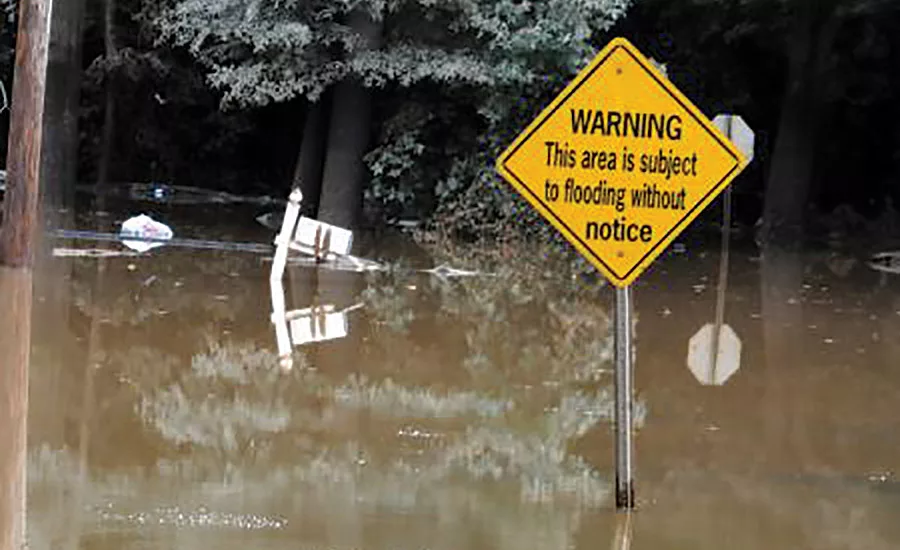
(Photo: FEMA, Louisiana chapter)
July 7, 2016

Hospitals in the U.S., already facing daunting challenges from evolving health care reimbursement models, now have another item on their to-do list: prepare for increased health care demands and weather disasters caused by climate change.

President Obama designated May 2016 as National Building Safety Month to highlight the need for infrastructure “resiliency” against extreme weather events. I was a speaker at this conference and witnessed firsthand the urgency in this national endeavor.

In addition, the Federal Emergency Management Agency (FEMA) now recommends that states implement their own disaster prevention actions, such as building codes for resiliency, emergency funds, and building protection in flood-prone regions. FEMA’s proposal would reduce federal dollars spent on emergency aid, as the number of disaster declarations by the president has increased from an average of 13 up to 137 per year in the last half-century.

Extreme weather clearly threatens all buildings, but hospitals are doubly affected by climate change. In addition to immediate risks to the building per se, higher temperatures and rainfall over time worsen many illnesses, increasing the need for hospital services.

According to the Center for Disease Control, climate change will affect our health in the following ways:


1. Higher temperatures and rainfall allow disease-transmitting mosquitos and ticks to expand their territories.

2. Rainfall with flooding can overwhelm local sewage systems, causing water contamination and increased threat of water-borne illnesses.

3. In areas with severe droughts and restricted water use, more people will suffer from dehydration, heat stroke, and aggravated respiratory and cardiovascular conditions.

4. Warmer temperatures increase allergens (i.e. pollen) and pollutants such as ozone, increasing the risk of respiratory and cardiovascular diseases.


In addition to providing increased day-to-day medical services, hospitals must be protected from incapacitation by the same hurricanes, floods, heat waves, and earthquakes that injure the people flocking to their doors.

How do we design hospitals for future events which may be different from anything previously experienced? One strategy is to examine failures during previous disasters such as Hurricane Katrina, where the New Orleans Memorial Hospital survived the initial storm only to be devastated by prolonged isolation from flooding when the levee broke. After the floodwaters receded, a doctor and several nurses were brought to trial for accusations of euthanizing more than 45 patients too weak to be evacuated. In my mind, this possibility summarizes the nightmare that patients, families, and clinical staff must have endured, one which cannot be repeated.

A resilient hospital must remain independently operational for at least 72 hours during a weather disaster.


• Design the structure to resist maximum predicted earthquakes, wind, and flood loads.

• Raise critical electrical, HVAC, water, and data systems above the maximum computed flood elevation.

• Locate space which can be sacrificed during a flood on the ground floor and medical care units on higher, safer levels.

• Design redundant primary and emergency backup power to operate the facility off grid for a week.

• Maintain a seven-day backup supply of potable water.

• Locate opiate and anesthesia medications in high-security areas to discourage looting.


History has taught us that building resilience into hospitals is much less costly than the human life and economic burden of a hospital that fails. ES

Share This Story

Looking for a reprint of this article?
From high-res PDFs to custom plaques, order your copy today!


Dr. Stephanie Taylor is the president and founder of Building4Health Inc. After working as a physician for many decades, Dr. Taylor obtained a Masters in Architecture as well as Infection Control certification. Her lifelong commitment to patient care includes focusing on improving the healthcare physical environment and clinical work processes to help patients heal quickly and save hospitals valuable dollars. Dr. Taylor is a graduate of Harvard Medical School (MD), and Norwich University (Masters Architecture). She has numerous research publications in Nature, Science, and other peer-reviewed journals. She can be contacted at stephanie@b4hinc.com or (860) 501-8950.

Recommended Content

JOIN TODAY
To unlock your recommendations.

Already have an account? Sign In

  • HVAC-enrollment

    The Trades Are Back: HVACR Programs See Nearly 30% Enrollment Spike

    A new wave of future technicians is entering the pipeline.  
    News
    By: Matt Jachman
  • 2025 Top 40 Under 40

    2025 Top 40 Under 40 HVACR Professionals List

    The 11th annual Top 40 Under 40 list highlights those...
    HVAC Residential Market
    By: Hannah Belloli-Oster
  • LG Ductless Mini-Split Systems

    The 9 Types of Heat Pumps

    As the U.S. moves toward electrification, heat pumps are...
    Ground Source Heat Pumps
    By: Joanna R. Turpin

More Videos

Today's Boiler

Spring 2026 Issue

Today's Boiler - Spring 2026 Cover

Read More from Today's Boiler

Case in Point Logo

Smarter Hydronic Design for Data Centers - Free Webinar - January 22, 2026

Related Articles

  • President Bush Announces New Clear Skies And Climate Change Initiatives

    See More
  • iir

    Refrigeration and Climate Change: Test Your Knowledge

    See More
  • A Physical View IAQ

    A Lesson of Unintended Consequences: Rats Tails & Hospitals

    See More

Related Products

See More Products
  • 9781482255676.jpg

    Testing and Balancing HVAC Air and Water Systems, Fifth Edition

  • Manual B.jpg

    Manual B - Balancing and Testing Air and Hydronic Systems

  • Building Information Modeling: Planning and Managing Construction Projects with 4D CAD and Simulations

See More Products

Related Directories

  • ClimateCraft

    Leading manufacturer of custom air handlers, custom fan arrangement technology equipment, and knock down air handlers designed for hospital, institutional, industrial, commercial facilities.
  • Heating, Refrigeration, Air Conditioning Institute of Canada-HRAI

    Leading the Climate Change Initiative for the HVACR Industry in Canada, HRAI members include manufacturers, wholesalers and contractors who employ 50,000+ people in Canada and represent an industry that delivers $12B+ annually to the Canadian economy.
×

Sign Up. Stay Informed.

The #1 trusted source for the HVACR industry since 1926

SUBSCRIBE
  • RESOURCES
    • Advertise
    • Contact Us
    • Advisory Board
    • Classifieds
    • Submit a Letter
    • Directories
    • Store
  • ACCOUNT CENTER
    • Create an Account
    • Start a Subscription
    • Manage My Account
    • Sign Up for Newsletters
    • Visit Customer Service
    • Update Preferences
  • SERVICES
    • Marketing Services
    • Reprints
    • Market Research
    • List Rental
    • Survey/Respondent Access
  • STAY CONNECTED
    • LinkedIn
    • Facebook
    • Instagram
    • YouTube
    • X (Twitter)
  • PRIVACY
    • PRIVACY POLICY
    • TERMS & CONDITIONS
    • DO NOT SELL MY PERSONAL INFORMATION
    • PRIVACY REQUEST
    • ACCESSIBILITY

Copyright ©2026. All Rights Reserved BNP Media, Inc. and BNP Media II, LLC.

Design, CMS, Hosting & Web Development :: ePublishing