Designs That Integrate — Applying ASHRAE 90.1
Luxury retail, data centers, retrofitted corporate space … they all had to meet 90.1. From lighting upgrades to custom coils on a factory chiller, explore specifics while absorbing the message to increase team integration earlier in the process.
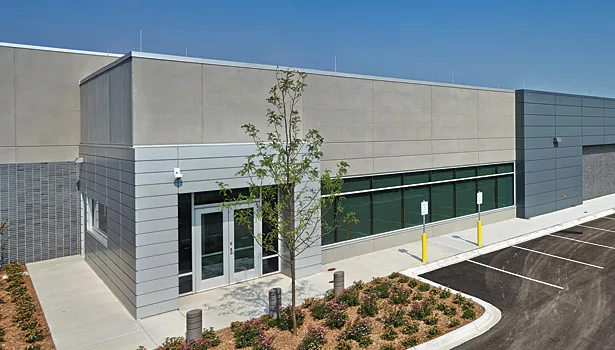
FIGURE 1. Syska Hennessy Group created an energy model to ensure that Stream Data Centers’ 75,000-sq-ft colocation data center in Chaska, MN, met the state’s energy code and LEED v3.
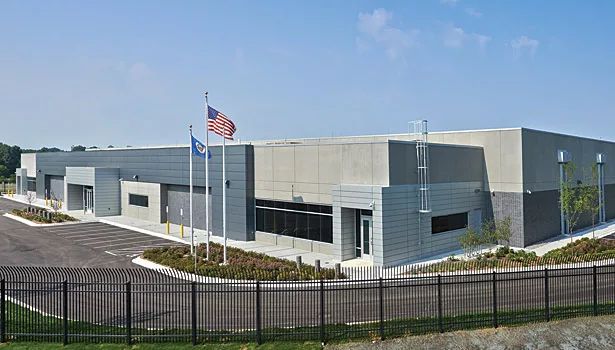
FIGURE 2. Stream Data Centers employed a waterside economizer, LED fixtures, and an energy efficiency measurement and verification plan that would maintain optimal energy usage well beyond the building’s initial LEED-certified design.
ASHRAE 90.1, Energy Standard for Buildings, has served as a benchmark for both new and retrofit commercial building design for the last 35 years and continues to lead today’s sustainably minded business culture. With 90.1 or similarly stringent energy codes being adopted by various states and municipalities across the country, it is imperative that owners, designers, and contractors understand the requirements and its implications on the design and budget of a project. Compliance with the standard is often required by law and a prerequisite to obtaining a building permit.
Since 1999, ASHRAE 90.1 has been updated every three years and provides the minimum requirements for the energy-efficient design of commercial buildings — both new construction and retrofit. While 90.1-2013 is the newest version, many states are currently using version 2010 or similar codes such as International Energy Conservation Code (IECC) 2012, like Illinois, for example, while others, like Minnesota, have their own state-specific energy codes. Other states or municipalities may be using even earlier versions of the standard. For this reason, the first step in designing a project is to research the standard that has been adopted by the AHJ and educate the building team, including the owners and architects, on what this means for the project and how it will affect all aspects of design, from the building envelope to lighting to HVAC systems and service water heating systems.
Once the specific version of the 90.1 standard has been identified, there are three paths that can be taken to meet the requirements of ASHRAE 90.1 Energy Standard for Buildings: the prescriptive path, the Energy Cost Budget Method, and the performance requirement method.
On the prescriptive path, the designer follows the standard prescriptively, or literally, to ensure that all parts of the building are in compliance. The Energy Cost Budget Method employs trade-offs with various aspects of the design, validated by an energy model, looking at energy usage of the building as an average. So some building elements or systems will be more energy intensive, while others will be less. The performance requirement method, often referred to as the Appendix G method, will also employ an energy model, but it will use it to look at the percentage improvement of the proposed design over a baseline building in total energy usage. This method will look at more global ways to reduce loads rather than just how efficient the equipment is. There are pros and cons to using all three methods, but choosing which path is best for each project will be specific to the project’s budget, timeline, and owner/operator project goals. It’s important to know that some jurisdictions do not allow the Energy Cost Budget Method to be used, so again, understanding local requirements is paramount.
Beyond identifying the version of 90.1 that applies to the project and determining which path toward compliance is appropriate, today’s projects will require a truly integrative design process. No longer a game of picking the low-hanging fruits from the energy-efficient trees, commercial buildings must be more creative in specifying sustainable building systems, HVAC and controls sequences, management and automation systems, and their overall MEP infrastructure to meet even the most basic energy efficiency requirements of ASHRAE 90.1. This will require close and early collaboration between the entire design team.
From new construction to retrofitting commercial buildings, and even to designing the MEP infrastructure of unique and energy intensive facilities like data centers, meeting ASHRAE 90.1 today and tomorrow will require being involved as early on as possible in the design process to successfully implement an integrated, sustainable commercial building design solution for every project. Here’s a look at several requirements of ASHRAE 90.1 and how to meet them through a truly integrative design process in new construction, retrofit buildings, and data centers, with a case study example to go with each.
New Construction
Complying with ASHRAE 90.1 in new construction doesn’t necessarily mean spending extra on capital costs. Instead, many of today’s sustainable technologies that are known to be best practice and are employed to meet current and even past versions of 90.1, like LED lighting and daylighting controls, have been widely used to bring down first cost and maximize return on investment, making them more and more practical for a wide range of projects. Many engineers are familiar with coming into a project at a point where much of the building design has already taken place, often creating design challenges and budgeting problems in an effort to improve energy performance and meet the energy code. By being involved early and working with the owner and architect to decide on a course of action, these conflicts can often be avoided. Many requirements of 90.1-2010, like the requirements for plug loads or commissioning, may be unfamiliar to owners. Having clear goals about sustainability and energy efficiency early on can ensure that the project design and budget accounts for all the requirements of the code and smoothes the path from concept to completion.
Case Study: Luxury Retail Store, Chicago
For this 4,500-sq-ft, three-story, standalone luxury retail store, architects wanted to specify a special storefront glass and large skylights. Working together from its early design phase, the project team chose the performance requirement method to meet the State of Illinois’ designated energy standard, IECC 2012, and they employed an energy model to help find other ways to offset the increased energy load from the desired architectural elements.
After evaluating a number of efficiency measures with an energy model, Syska specified a number of viable strategies including LED lighting, daylight dimming, efficient HVAC systems with demand control ventilation, and more to offset the envelope losses, and the code was met without adding any significant cost of the project. With this process, Syska was able to confirm code compliance, inform the owner of payback of the technologies, and (most important of all) allow the building to retain the aesthetics desired by the owner and architects.
Renovation
ASHRAE 90.1 also applies to renovation projects, but exactly what needs to be done to demonstrate compliance with the standard will be determined by the scope of the retrofit itself. Getting involved early in the design can be even more important for a renovation project than in new construction, as complying with 90.1 can often be more challenging and costly in an existing building from both an architectural, structural, and MEP infrastructure perspective. It’s also important to note that in some jurisdictions — New York City, for example — existing buildings not otherwise currently involved in a retrofit project may still be required to meet current energy codes, which means MEP systems, controls, etc., must be updated upon the state or city’s adoption of the latest version of ASHRAE 90.1.
Case Study: Gogo Headquarters, Chicago
|
DESIGNING ABROAD
While some regions may have their own independent energy standard or sustainable building certification programs, like China’s various energy codes and 3-Star program or the United Arab Emirates Estidama program (http://estidama.upc.gov.ae/), international energy efficiency requirements are often based on the ASHRAE 90.1 benchmark. As with domestic projects, it’s critical to determine exactly which requirements are necessary for compliance before beginning MEP infrastructure design, as well as obtain a real understanding of the different nuances and interpretations of certain aspects of the standard that may be specific to the region or country.
|
When high-tech company Gogo leased 230,000-sq-ft of office space in a 100-year-old, once industrial building in Chicago’s trendy West Loop neighborhood, they knew even base building systems would need to be updated to meet their reliability needs. The company that provides Wi-Fi systems to the airline industry needed to build out 24/7/365 lab spaces, requiring emergency generators that didn’t exist on the base building infrastructure. In addition to the required backup power, AHUs for the 24/7 lab spaces needed an economizer component to meet the IECC 2012 code. Because space is limited in the old building, Syska integrated a waterside economizer to meet it.
This waterside economizer features a glycol loop that serves the lab areas as well as the Gogo data center and other process cooling loads. The waterside economizer employed a newer type of dry cooler that features an integrated adiabatic cooling system, which produces lower water temperatures in the summer, making the entire system more efficient while meeting the prescriptive requirements of the code. By working with equipment vendors and identifying this unique technology, Syska was able to meet the energy code and provide Gogo with improved energy efficiency with only a slight cost premium over standard dry cooler arrangements.
Data Centers
In the past, ASHRAE 90.1 did not distinguish between the typical commercial office building and those in different market sectors, like data centers. This made complying with 90.1 difficult given a data center’s unique power and HVAC requirements. Limitations with energy modeling tools often necessitate additional calculations to justify compliance to the AHJ or rating agency. For enterprise data centers, taking advantage of virtualization can be a pathway to compliance, but for colocation facilities where the IT infrastructure is not defined, the path-way to compliance can be more challenging. The newest version, 90.1-2013, treats the data center as its own entity with unique energy challenges and will consider the power usage effectiveness (PUE) metric rather than direct compliance with the prescriptive requirements. Similarly, LEED, v4, released in 2014, includes market sector adaptations for data centers, warehouses, distribution centers, hospitality, existing schools, retail, etc.
Case Study: Stream Data Centers, Chaska, MN
In an effort to meet the State of Minnesota’s energy code and LEEDv3 (based on ASHRAE 90.1-2007) at this 75,000-sq-ft colocation data center with high energy requirements, Syska Hennessy Group utilized an energy model and used the performance requirement method. With this model, Syska was able to meet both the state energy code as well as that of LEEDv3 in a cost effective way by specifying a waterside economizer, improving the building envelope performance, and using efficient lighting like LED fixtures.
A waterside economizer was employed by using custom retrofit economizer coils on a factory chiller as both a cost savings measure and to meet the efficiency requirements. The process for meeting code and LEED certification was made more challenging due to 90.1-2007 not being specific to data centers, but that process should be streamlined in the future with the adoption of 2010 and ASHRAE’s new standard for data center energy efficiency, 90.4P. Ultimately, Stream’s data center was more efficient than a baseline 90.1 data center facility by approximately 13% utilizing the above strategies. Another key sustainable feature to the project was a detailed measurement and verification (M&V) plan. While not directly required by 90.1, the M&V strategy enhances the building’s sustainable profile by collecting actual annual energy usage and cross-checking against the assumptions made in the energy model to fine tune the building operation. All HVAC systems in the building will have their energy usage monitored, recorded, and ultimately checked against the original design assumptions.
Conclusion
Overall, a thorough understanding of the local codes and standards including ASHRAE 90.1, coupled with a more comprehensive and integrated design team involved as early in the project’s design phase as possible, will help foster truly integrative design and avoid potential roadblocks that may affect schedule and budget.
What’s up next for ASHRAE 90.1? The newest version 90.1-2013 has introduced building operations to the standard. No longer will 90.1 look only at facility design. Instead, how a building is operated, from documenting daily daylighting hours to employing a third-party commissioning agent, to how the building functions once its opened its doors, will not be just a matter of the drawings on the architect or engineer’s desk. The next energy standards, from 90.1 to LEED and beyond, will see the commercial building as a living, breathing entity and therefore, will strive to make energy efficiency a real commodity.
The ASHRAE 90.1 download has no longer free, please see here free period has expired.
Looking for a reprint of this article?
From high-res PDFs to custom plaques, order your copy today!