Q&A: Aiding Decarbonization With the Adaptive Reuse of Hydronic Components
Bell & Gossett’s Jim Nolan talks modernizing HVAC systems through adaptive reuse
Finding ways to modernize HVAC systems has become a key component as decarbonization efforts continue to lead the HVACR industry. Hannah Belloli, editor at The ACHR NEWS, chatted with Jim Nolan, market development manager at Bell & Gossett, and a key contributor to Bell & Gossett’s whitepaper on the adaptive reuse of hydronic system components for decarbonization, about the most common types of adaptive reuse that repurpose buildings, how it aids decarbonization, how the hydronic components of buildings are being adaptively reused, and more.

Jim Nolan
(Courtesy of Bell & Gossett)
ACHR NEWS: What is adaptive reuse in the context of hydronic systems?
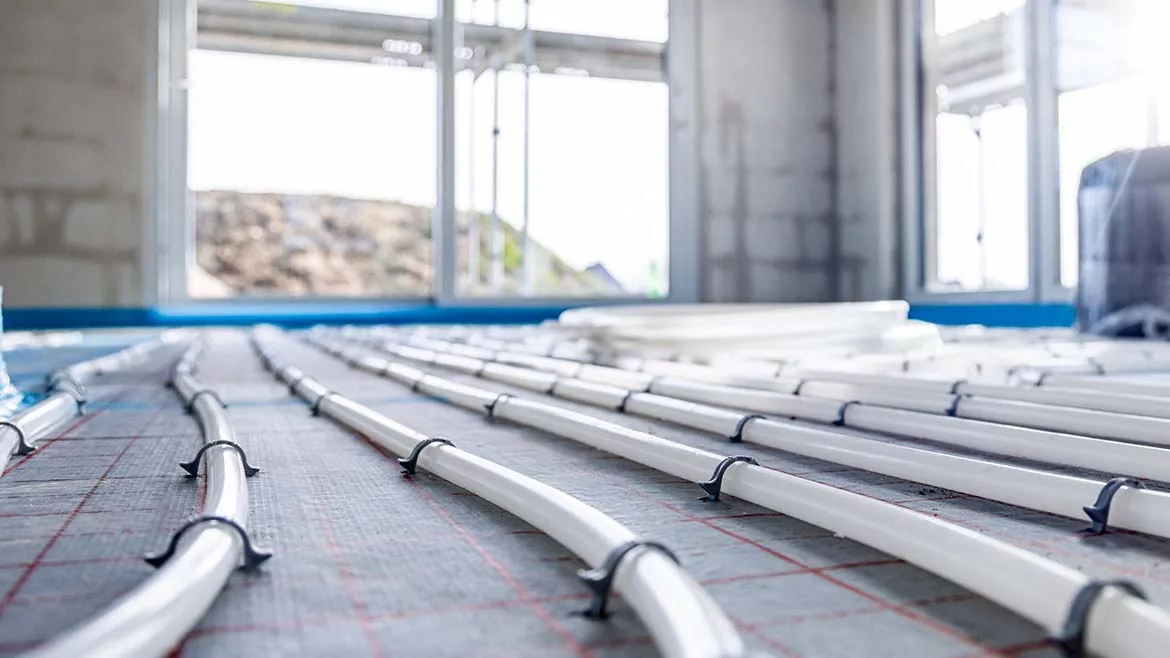
Nolan: Adaptive reuse is using an existing building for a different purpose. For example, COVID hit commercial real estate, especially office buildings, really hard, and some of those buildings needed to be repurposed because people weren't going into the office as much. … Most existing buildings over three floors have an existing hydronic heating and or cooling system in the building. And using hydronics, because hydronics is basically technology-agnostic, we can use any type of newer technology or older technology to move BTUs around the building, to heat or cool it. Hydronics allows the leverage of that existing investment in your hydronic system that currently exists in your building, and adapt it to a newer purpose.
ACHR NEWS: How does adaptive reuse aid decarbonization efforts in the industry?
Nolan: Because of legislation, the quickest way to decarbonization is to reuse some of those existing buildings. And most of those buildings that will be targeted for decarbonization are approximately 10-15 years old. To make a large step into decarbonization, those are the buildings they're going to have to take advantage of quickly to reuse them through adaptive reuse. Hydronic systems are really flexible; we can adapt it to new technology. Some of the newer forms of more efficient equipment that are being used in these buildings, such as water-source heat pumps, geothermal, electric boilers in cities where they may have a natural gas ban or they're moving away from fossil fuels … hydronic systems can adapt to all of them. By using existing technology, using the piping that's in the system, just by simply resizing it and using more efficient equipment — for example, permanent magnet-assisted motors (they're motors that run more efficiently than typical induction motors) — you're able to get more power, get more flow through the building, and use way less energy, all contributing to decarbonization efforts.
ACHR NEWS: What parts of hydronic systems are typically being reused or repurposed?
Nolan: The most common is the actual commercial pumps — whether it's an electric boiler or it's a fossil fuel boiler, pumps can be reused. Some of the most common things you have to look at, when you’re repurposing a building, are the accuracy of the building load calculations and what the operational profile is. For example, if you're reusing an office building and it wasn't previously used at night, and it’s now being repurposed into a condominium building, you're going to have more heating/cooling requirements at night, because there's actually people in the building. You have to look at all those sizing capabilities and resize all of the equipment. You have to resize the pipe friction losses through the building and then resize the pumps. You may have to go with larger or smaller horsepower, depending on the building's heating or cooling loads. But if you're using an existing pump, you can take off that motor and put on a lesser horsepower motor to get to the actual building load needed for heating or cooling. Or you can resize the impeller in the pump. … The larger the impeller is in the pump, the more water it pushes through the pump. You can actually resize it by just changing the impeller. Or you can resize it by just adding a different horsepower motor and still use the same existing equipment, but adapting it to the new building conditions as it's being used.
ACHR NEWS: What kind of technologies are currently employed for the adaptive reuse of these components?
Nolan: The biggest thing we're seeing right now is heat pumps, and that could be water-source heat pumps, it could be air-source heat pumps, it can even be something like geothermal or water-source variable refrigerant flow (VRF). Those are the most common things, but I would say that water-source heat pumps are probably dominant right now in the reuse of buildings.
ACHR NEWS: Where are some places in which adaptive reuse of hydronic systems is popular?
Nolan: I know there's several buildings in the city of Chicago that were office buildings and converted into condominiums. Last fall, I attended a decarbonization seminar provided by ASHRAE, and that specific meeting had numerous examples in New York City where they were repurposing buildings that were previously office buildings into tenant spaces. New York City now has a natural gas ban … so they're forced to use electrical sources to power the equipment. And hydronics is already electric. We just use motors — we don't use any fossil fuels in the operation of our equipment, so it's very adaptable.
ACHR NEWS: Any final thoughts?
Nolan: It's a learning curve with the community. There's a lot of current tradespeople retiring, and the tradespeople are getting a lot younger, so there's a lot of education that needs to take place. Xylem Bell & Gossett has the Little Red Schoolhouse where we teach best practices and help teach design engineers how to resize equipment, check sizing capabilities, and make sure that the building envelope hasn't changed and meets all those new heating and cooling requirements. There’s a big education effort going on right now within the industry.
Looking for a reprint of this article?
From high-res PDFs to custom plaques, order your copy today!