ACHR News
search
Search
search
close search
Ask ACHR NEWS AI
cart
facebook
twitter
instagram
linkedin
youtube
Sign In
Subscribe
Sign Out
My Account
ACHR News
NEWS
Breaking News
New HVAC Products
Featured Products
Manufacturer Reports
HVAC Data
Legislation
ACHR NEWS Centennial
RESIDENTIAL
Air Conditioners
Furnaces
Residential Heat Pumps
Ductless
Residential IAQ
Testing, Monitoring, Tools
Components & Accessories
COMMERCIAL
Air Handlers
Rooftop Units
Chillers and Cooling Towers
Commercial Heat Pumps
Boilers and Hydronics
VRF/Ductless
Commercial IAQ
REFRIGERATION
Refrigerants
Refrigerant Regulations
Leak Management
CONTRACTOR PRO
Geothermal
Homeowner Study
VRF and VRV Ductless
Unitary Trends
EDUCATION
Training and Education
Business Management
Service and Maintenance
Continuing Education
Market Research >
HVAC Brand Awareness Report
VRV, VRF, VRVZ Report
Unitary Trends Report
Water Heat Professionals Report
Webinars
Sponsor Insights
eProducts Info
White Papers
EVENTS
HVAC Contractor Forum
Industry Events and Webinars
MEDIA
Videos
AHR Expo 2025 Videos
Podcasts >
ACHR News Podcast
HARDI Podcasts
AHR Expo Podcasts
ACCA Podcasts
Interactive Spotlights
Quizzes
eBooks
HVAC Talkback
HVAC GROUP
ACHR NEWS >
Current Issue
Digital Edition
Subscribe
Distribution Trends
SNIPS NEWS >
Join SNIPS NEWS
Engineered Systems News >
Join ES News
HVACR Directory
Contests
Newsletters
Contact
Advertise
My Account
Home
»
Topics
»
HVAC Commercial Market
» Boilers and Hydronics
Boilers and Hydronics
Wetheads stop here!
RSS
Articles
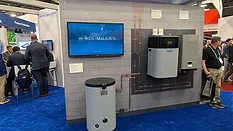
Residential and Light Commercial Furnaces and Boilers at the AHR Expo
By:
Chris Gray
Uponor Prefabricated PEX Water Risers
By:
The ACHR NEWS Editorial Staff
Cooling Without Water Chillers
By:
Chris Gray
Nvidia’s Vera Rubin Has Chilling Effect on HVAC Industry
By:
Chris Gray
More Articles
Sign Up. Stay Informed.
The #1 trusted source for the HVACR industry since 1926
SUBSCRIBE
 RSS
RSS