Nearly 300 Samsung HVAC sales reps and distributors met in Fort Worth, Texas, to network and learn about the company’s newest products during the second annual Samsung HVAC Sales Meeting.
To help business owners manage their assets, a growing number of tool and fleet-tracking software manufacturers are utilizing GPS tracking, radio frequency identification (RFID) transmitters, Bluetooth, bar codes, and more.
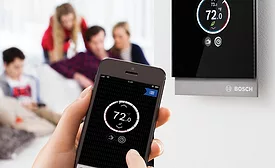
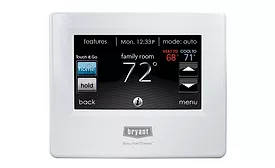
More homeowners are opting to purchase thermostats and install them on their own, but this doesn't have to take sales opportunities away from the contractor.
Perhaps nothing short of the looming technician shortage has helped bring the industry closer and encourage collaboration more than fighting the governmental overregulation that is impacting HVACR businesses nationwide, from the manufacturer all the way down to the installer.
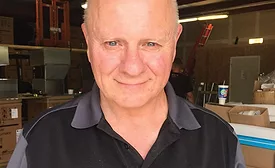
After nearly 40 years in the HVAC industry, including three decades spent teaching, Cleveland native Gary Ranallo joked that he’s only just getting started. But Ranallo, who was selected as The NEWS’ 2016 Best Instructor winner, nearly missed his calling.
Jeff Adams, The NEWS’ 2016 Best Trainer winner and vice president of field services for Logan A/C & Heat Services in Dayton, Ohio, helped start the company's trianing program, which has grown so much that the company recently acquired a separate space to be devoted solely to technician training.
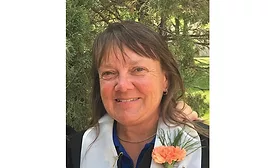
With more than 100 years of HVACR industry experience among them, the six instructors at Hennepin Technical College in Minneapolis proudly run one of the top HVACR programs in the country. Standing out among these industry veterans is Rhonda Wiggins, The NEWS’ 2016 Best Instructor runner-up.
Since claiming the title of Best Trainer runner-up last year, Michael Goater, Success4Others’ self-proclaimed “chief motivator” and once again this year’s Best Trainer runner-up, has upped the ante at his Scottsdale, Arizona-based professional HVAC training and coaching organization.