ORNL and numerous building equipment industries signed collaboration agreements to improve the energy performance of HVAC systems and investigate alternative refrigerants.
The Climate Group estimates that if 100 companies double their energy productivity by 2030 – generating twice as much economic output for every unit of energy consumed – more than 170 million metric tons of emissions could be avoided cumulatively, the equivalent to taking 37 million cars off the road for a year.
In our day-to-day work as design engineers, this term is typically used in design discussions with an owner to imply some level of building data collection and analysis.
Improving building performance across the city could reduce greenhouse gas emissions by at least 11% and save at least $61.5 million in annual energy costs. New report helps establish baselines on performance, while checklist provides recommended next steps.
The control systems we use in commercial buildings today have evolved over the last 30 years to provide systems that are cost effective, and provide good performance.
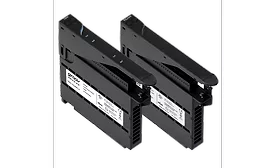
The new I/O modules provide more options for bringing field bus networks into groov EPIC as well as meeting requirements for temperature control applications with high I/O count.