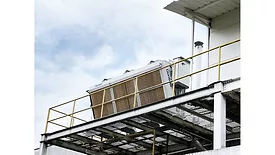
Rising energy costs are pushing grocers to rethink refrigeration, and new CO2 technologies are changing long-held assumptions about efficiency and performance.
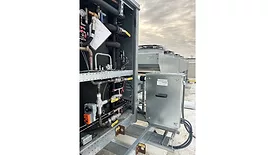
CO₂ refrigeration systems demand careful attention to detail. Following a few key best practices can help technicians avoid common mistakes and ensure a smooth startup.
CO2 refrigeration is moving beyond larger systems as improved CO2 scroll compressors make smaller, distributed R-744 units increasingly practical and appealing.
Food retailers are transitioning from HFCs to CO₂ or A2L refrigerants, but the right choice depends on climate, codes, cost, safety, and skilled labor availability.
CO₂ refrigeration is growing fast, but there are pros and cons for cascade, booster, and secondary loop systems. Discover which system works best in different climates and for different applications.
A recent study has uncovered significant opportunities for year-round energy savings on CO2 refrigeration systems through the use of low-side strategies.
HVACR contractors must be informed about natural refrigerants such as CO₂ and ammonia in order to help clients meet regulatory mandates and sustainability goals.
Power outages pose a risk of CO2 charge loss for refrigeration systems, but next-gen solutions can help minimize disruptions and ensure continuous product protection.